“Dress to impress”

MADELINE: Hey, party at my house Saturday.
LOUISE: Dress to impress, please.

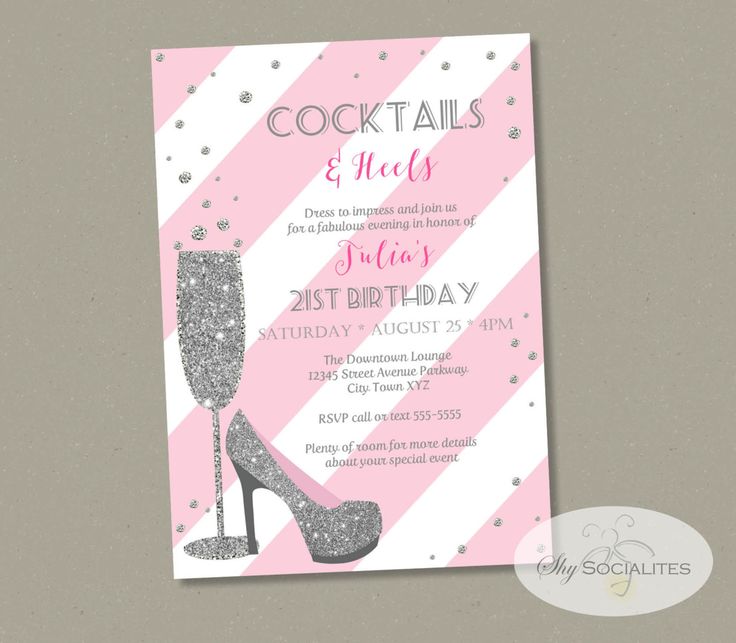
Dress to impress is a dress code that might be written on a party invitation, like “smart casual”, “black tie”, “costume party”, etc. It’s an especially vague one that leaves most people wondering what the heck they are supposed to wear, but seems be a favourite with rather pretentious people, like Louise. (The only etiquette guide I could find which covered it said it was a sure sign the party would be utterly dreadful, and not to attend). To me, it suggests getting dressed up without actually seeming formal, but not relaxed enough to be smart casual.

Bangs

SUMMER: You should get bangs.
PARIS: Thanks for the tip.
SUMMER: You have a long forehead. Bangs would hide that.

Bangs is another word for a fringe, hair cut and styled so that it falls over the forehead. Apart from her classic “mean girl” put-down in the guise of being helpful, Summer may be making a play on the word “bang” for sex, so that she’s telling Paris, “You should get banged”, so that she will chill out and stop getting jealous.

Belle Watling

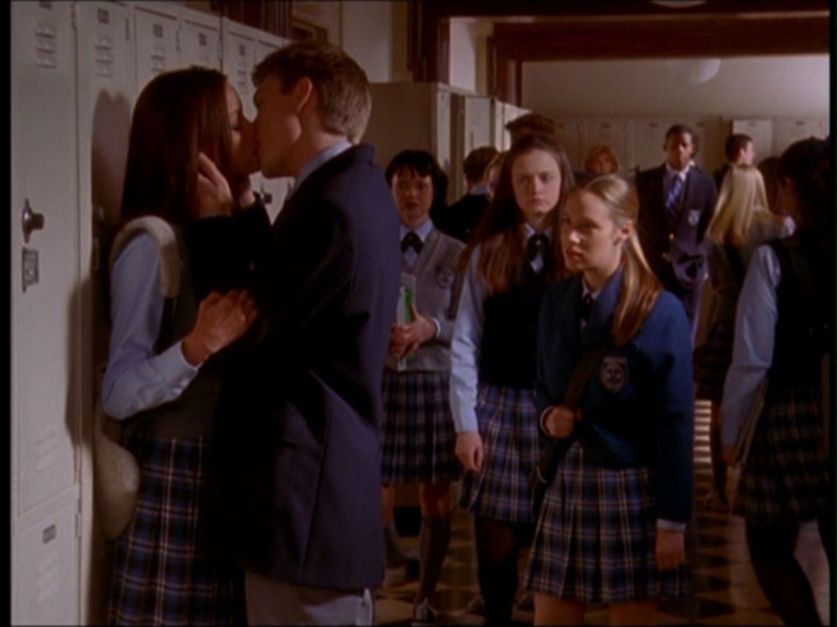
RORY: I’m assuming your locker’s in there somewhere also.
PARIS: Yup. Right behind Belle Watling.

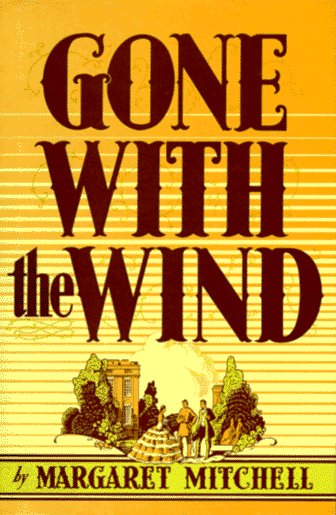
Belle Watling is a character in the 1936 best-selling historical novel Gone With the Wind by American author Margaret Mitchell. Set in the south during the American Civil War, it won Mitchell the Pulitzer Prize, and was the #1 book of both 1936 and 1937 before being adapted into a hit film in 1939. It is still one of America’s favourite books, and is considered one of the Great American Novels.

In the novel, Belle Watling is a prostitute and the local brothel owner, so Paris is just saying that Summer is behaving like a whore by kissing Tristan so openly in public.

“Hell hath no fury”

PARIS: Thank you for the “where to make out” list, I just need to get my books.
LOUISE: Hell hath no fury.

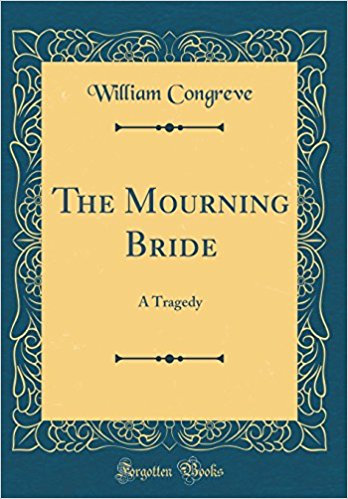
Louise is referencing the very well known phrase, “Hell hath no fury like a woman scorned”. It comes from the 1697 tragedy The Mourning Bride by English playwright William Congreve. The exact quote is: “Heav’n has no Rage, like Love to Hatred turn’d/Nor Hell a Fury, like a Woman scorn’d”.

Louise is saying (accurately) that Paris is only angry because Tristan prefers another girl to her.

Cabbage patching

LORELAI: “Three months. Well, woohoo. Hold on, I’m going to cartwheel.”
RORY: Forget it.
LORELAI: Oh, no wait. She’s telling my dad now. Why, I think they’re cabbage patching.

Cabbage patching means to do the cabbage patch dance, a hip-hop dance where you put your hands together as fists and move them in horizontal circles. The dance features in the 1988 song The Cabbage Patch by Miami bass group Gucci Crew II, which became popular in dance clubs. The dance seems to have been inspired by Cabbage Patch Kids, the doll fad of the 1980s, combined with “cabbage” as slang for paper money. It’s a celebratory dance, often associated with sporting victories.

Costco

LORELAI: If there was a runoff between what Emily Gilmore would care about less, a two-for-one toilet paper sale at Costco or your three month anniversary, your anniversary would win, hands down.

Costco is an American multinational corporation which operates a chain of members-only warehouse clubs, selling goods in bulk to keep costs low. It is the second-largest retailer in the world after Walmart, and the first warehouse opened in 1983.

Should Emily have gone mad and actually cared about the hypothetical toilet paper sale at Costco, she could have shopped at the Costco in New Britain, about 15 minutes drive from Hartford.

Chucky

LORELAI: The pan, Chucky. Please.

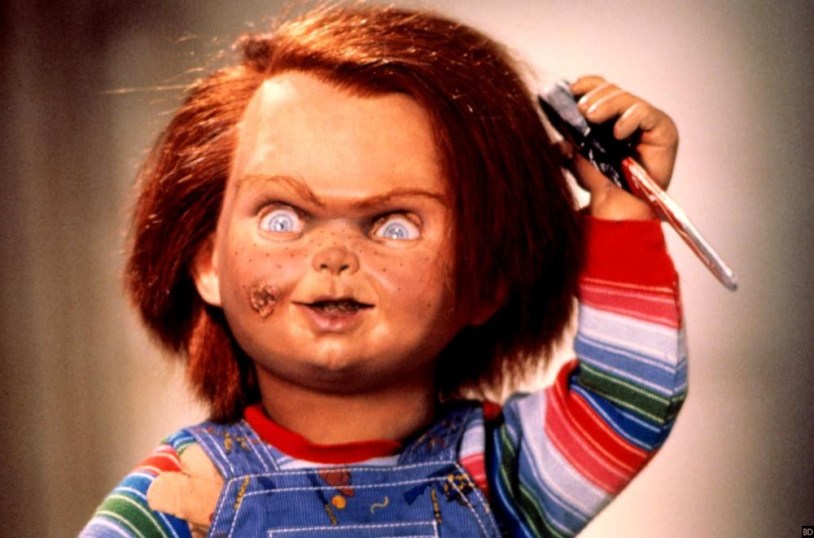
Chucky is the villain in the 1988 horror film Child’s Play, directed by Tom Holland. In the film, a serial killer named Charles Lee Ray (Brad Dourif) is fatally shot, but transfers his soul via a voodoo spell into a doll called Chucky. After being given to a little boy, Chucky, who is animated by the spirit of Charles Lee Ray, goes on to commit murders and other violent crimes – the doll’s movements are performed by animatronics, child actors, or little people, but it is voiced by Dourif.

Child’s Play was a commercial success and got reasonable reviews; there have so far been six sequels in the franchise.

Lorelai is basically calling Rory a “little horror” (jokingly).

Cleopatra, Queen of Denial

Rory calls Lorelai “Cleopatra, Queen of Denial” when she refuses to admit that she’s in a bad mood because she misses Max, who she broke up with a couple of months ago. Perhaps her night with Christopher in the previous episode only made it clearer how superior Max is.

Rory’s referencing the 1993 country song Cleopatra, Queen of Denial by Pam Tillis, an obvious pun on Cleopatra, Queen of the Nile. It’s from her album Homeward Looking Angel, and got to #11 on the country music charts. It helped popularise the phrase “queen of denial” to mean a woman who deals with her problems by denying they exist. It seems to have originated with Alcoholics Anonymous and the Twelve Step Program, which became mainstream in the early 1990s.