RICHARD: Interesting. I just realised you have three cups of coffee in the morning … EMILY: Well, so what? RICHARD: Nothing. Just an observation, that’s all. That’s a lot of coffee to drink early in the morning.
It seems that Lorelai and Emily have something else in common – they both need their coffee to get through the day. This feels like a callback to the beginning of the Pilot, where Luke asks Lorelai how many coffees she’s had. It’s first thing in the morning, but she’s already had five, and is ordering her sixth.
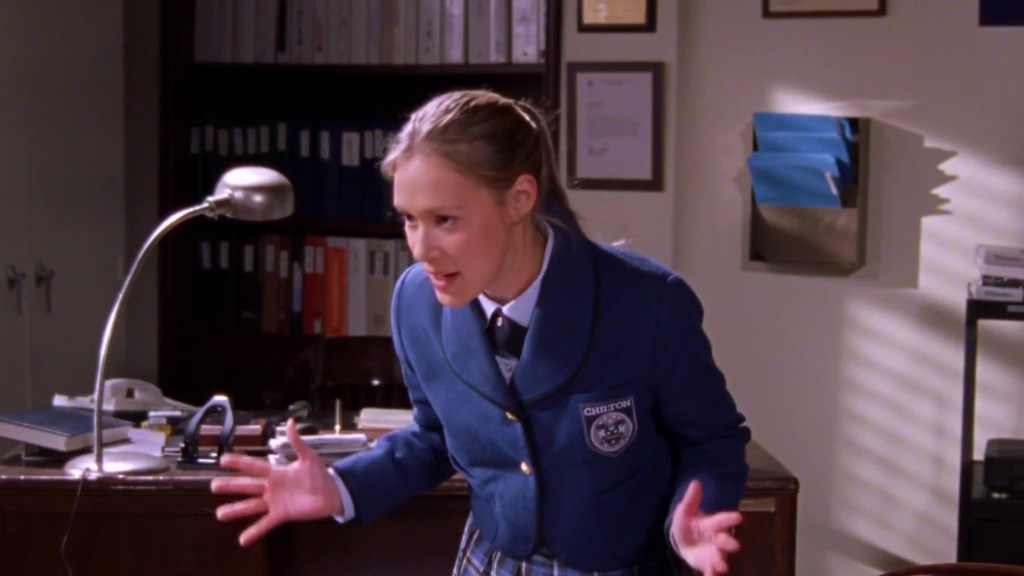
PARIS: Flescher Prep Gazette, Broadmouth Banner, Richmond Heights Chronicle – these publications are not our competition … The New York Times, the Wall Street Journal, the Washington Post – these publications are our competition.
The high school magazines Paris mentions are fictional, while the competition she identifies are major news publications, all previously discussed.
PARIS: The Oppenheimer Award for Excellence in school journalism is not a contest. It’s a statement. It says you’re the best. The best writers, the best reporters, the best editors. It says that you have crushed all others who have dared to take you on. It says that every other single school in the United States of America is feeling nothing but shame and defeat and pain because of the people who won the Oppenheimer plaque. I wanna be those people, I wanna cause that pain.
The Oppenheimer Award for Excellence seems to have been named in honour of Jess Oppenheimer (1913-1988) [pictured], the creator, producer, and head writer of the sitcomI Love Lucy, starring Lucille Ball. Lucille Ball called him “the brains” behind Lucy, and he was the creative driving force of the show. (Jess may also be named after Oppenheimer!).
In real life, there are the National Pacemaker Awards in student journalism, which has a category for high school newspapers. They are administered by the National Scholastic Press Association. Founded in 1927, they are the student equivalent of the Pulitzer Prizes, and for that category the deadline is in June. There is no plaque handed out as a prize.
We never discover whether The Franklin won the award, but it is never mentioned again, suggesting that it didn’t.
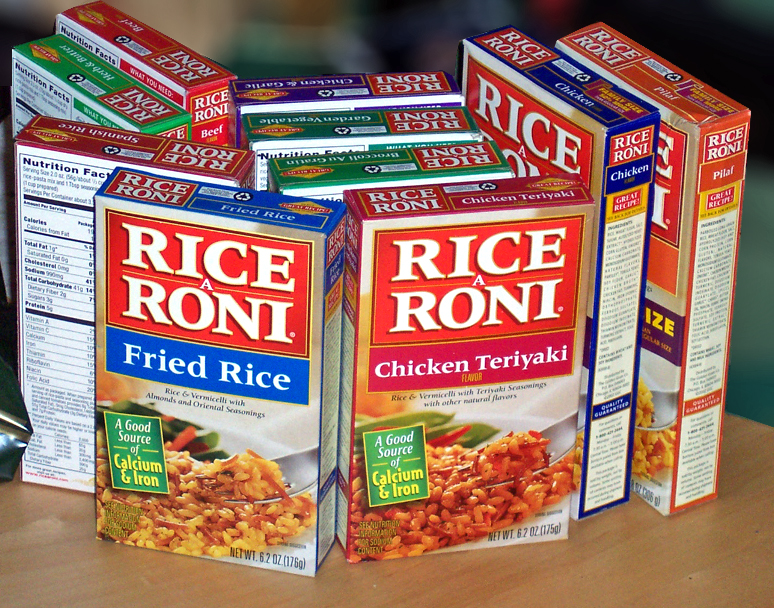
LOUISE: It’s just a contest, Paris. It’s not like you get a car or a lifetime supply of Rice a Roni. MADELINE: God, I love that stuff.
A boxed food mix containing rice, vermicelli pasta, and seasonings. It’s prepared by browning it in butter, then adding water and simmering until cooked, so you end up with something a bit like pilaf. It’s made by Quaker Oats, a subsidiary of PepsiCo.
It was invented by Vince DeDomenico in 1958, inspired by a home recipe of his sister-in-law Lois, who had received it from an Armenian immigrant friend named Pailadzo Captanian. Originally called The San Francisco Treat, and later Pasta Roni, it was bought by Quaker Oats in 1986.
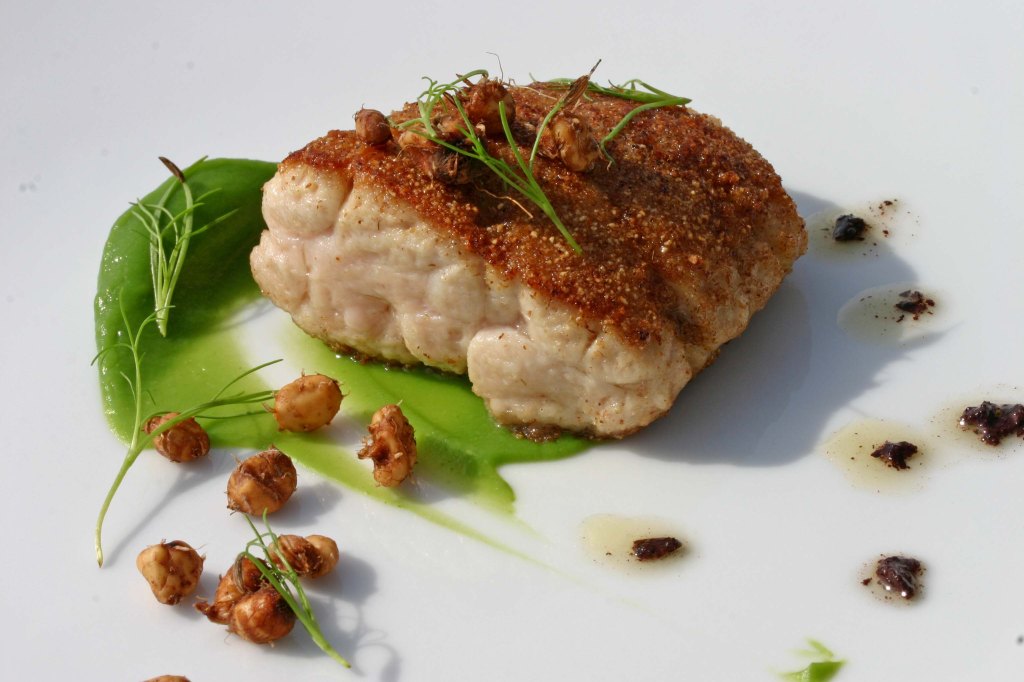
LORELAI: Okay, I give. What is this? EMILY: Sweetbreads. LORELAI: Sweetbreads. So that’s uh . . . EMILY: Pancreas.
Lorelai breaks her own rule never to ask what something unfamiliar yet tasty is, in case the answer puts her off eating it again. Earlier she told Rory that she enjoyed eating snails, until she discovered what they were. Presumably this is another time that a delicious meal is ruined for her.
In cooking, sweetbread is the name for the thymus or pancreas, usually from a calf or lamb (lamb is considered superior). Pancreas sweetbreads can also come from beef or pork. They are often prepared by soaking in salt water, then poaching in milk to remove the outer membrane. Once dried and chilled, they can then be breaded and fried. A squeeze of lemon over them is a classic way to serve, and they match well with mushrooms and truffles, as well as legumes like beans and peas. They are considered to be a delicacy, and the origin of the name is not entirely clear.
EMILY: We’ve never really been home at the same time. I mean, we got married, we went to Europe, we came back, he went to work, and it’s been that way ever since.
Confirmation that Richard and Emily spent their honeymoon in Europe – it feels as if them travelling to Europe every two years in the fall is an attempt to revisit their honeymoon.
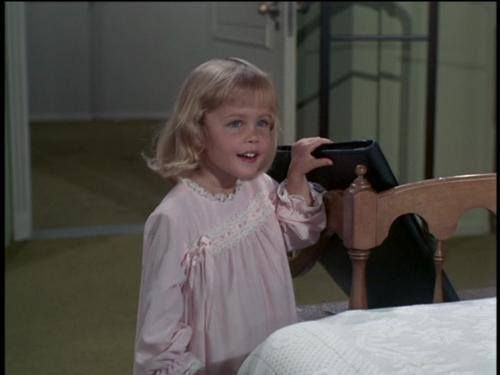
EMILY: You did not see me twitching. LORELAI: Mom, when Dad was talking about the vase, you were pulling a full-on Tabitha.
A reference to the sitcom Bewitched, broadcast 1964-1972, and continuously televised in syndication since then. It stars Elizabeth Montgomery as Samantha, a witch married to a mortal named Darrin, who vows to lead the life of an ordinary suburban housewife. However, her disapproving family often meddle in their lives, forcing Samantha to use her magic to fix the situations they get them into it.
Popular for its snappy dialogue, great cast, and special effects, it offered a critique of women’s roles as well as providing an example of a happy and successful mixed marriage during the era of segregation. Many episodes touch on issues around prejudice against race and religion, and it can also be read as an allegory of closeted homosexuality, or anyone unable to be their real self. Samantha’s meddling mother Endora, played by Agnes Moorehead, is not a million miles away from Emily herself.
Tabitha is the daughter and eldest child of Samantha and Darrin, who went from a baby to a toddler, then a young child during the series run. She has supernatural powers, and could perform magic by twitching her nose (like her mother). Her parents would tell her, “Mustn’t twitch”, in an effort to teach her to control her magic.
Unlike with other references that Emily doesn’t get, she knows who Tabitha is. Perhaps she and Lorelai even watched it together during Lorelai’s childhood.
Patent leather is that shiny, almost plastic-looking, leather, and pirate boots, more correctly cavalier boots, are knee-high boots with a cuff around the top. A pair of Chanel boots of this type could cost around $1000 today. The boots sound suspiciously like something Amy Sherman-Palladino would wear.
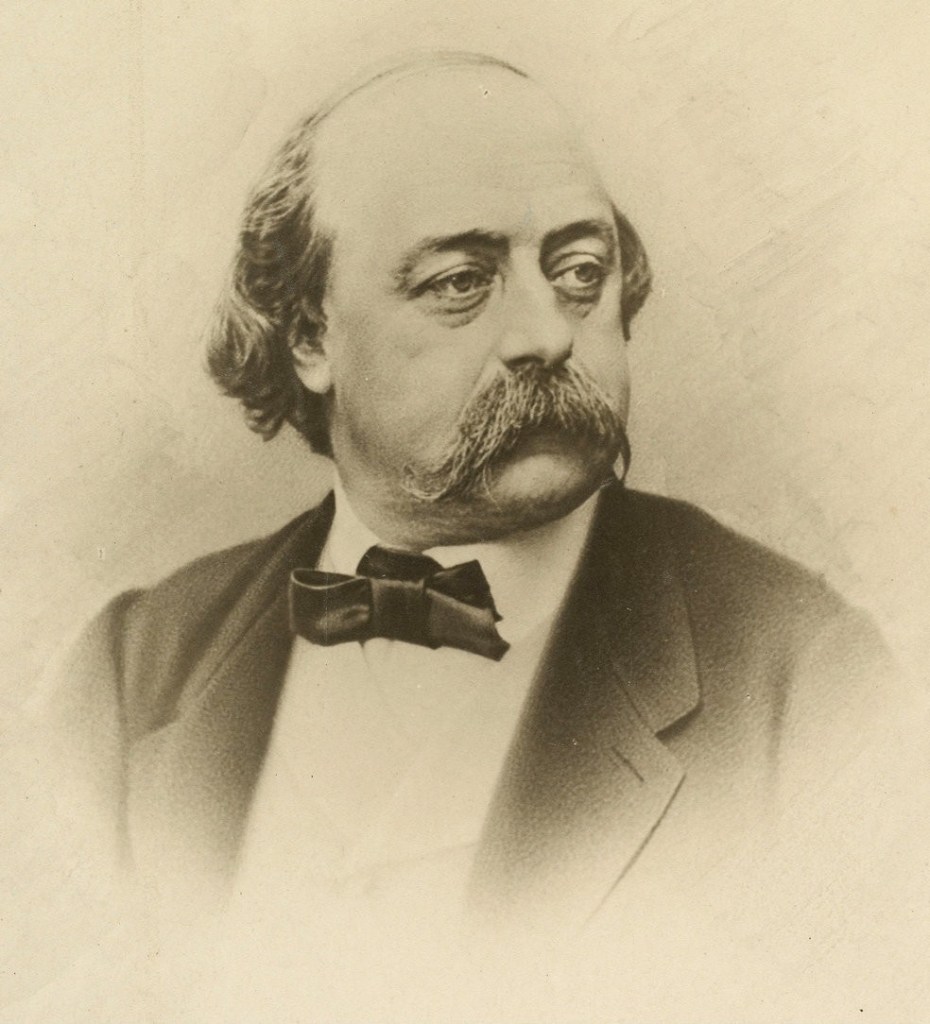
RICHARD: You know what else I noticed? RORY: What? RICHARD: A first edition Flaubert, mint condition, shoved behind several of my Churchill biographies.
Gustave Flaubert (1821-1880), French novelist [pictured]. Highly influential, he is considered the leading exponent of literary realism in France. He is especially famous for his debut novel, Madame Bovary (1857), previously discussed.
Richard never specifies which book he has a first edition of, but fans often assume it is Madame Bovary, since Rory likes it. A first edition of even the English translation would cost tens of thousands of dollars, making this very unlikely. However, the first edition of the English translation of Three Tales (1877), published by Chatto and Windus in 1923, can be picked up for as little as $50, and is a very handsome volume. This would be my pick for Richard’s first edition.
Sir Winston Churchill (1874-1965), British statesman who served as Prime Minister from 1940 to 1945, and then again from 1951 to 1955. He is especially famous for his inspiring wartime speeches, and is considered one of the most significant figures of the twentieth century.
Richard does not say whether he means biographies by Churchill or about him, but probably the latter, since Churchill only wrote two biographies (not several, although Richard could have multiple copies of each).
LORELAI: Oh, oh. Well, uh . . . ugh, why don’t we move Aunt Cecile? She was always so annoying at parties. She loved the knock-knock jokes. RORY: Mom! … You can’t just kick out Aunt Cecile. LORELAI: Knock-knock. Who’s there? Pineapple. Pineapple who? That’s where it ended. Never fully grasped the knock-knock concept. EMILY: She was a complete idiot. Okay, it’s decided – Cecile goes.
Aunt Cecile is one of the deceased Gilmores currently in the mausoleum, and is almost unanimously voted out to the annex as the least popular corpse, due to her habit of telling incomplete knock-knock jokes. I assume she is the sister of either Trix, or Richard’s father.
Cecile, an Anglicised French form of Cecily, was most common around the turn of the twentieth century, although it has never been very popular in the US. By the mid-twentieth century it was fairly rare.
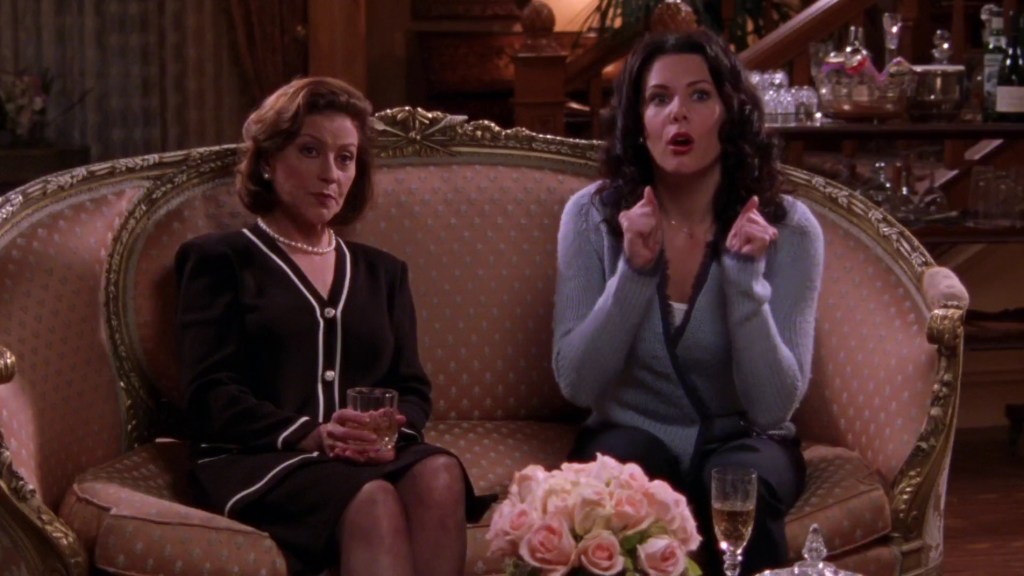
Note that Emily is dressed in black, suitable for her role discussing death and burial.




 The Annotated Gilmore Girls