“Leave the gun, take the cannoli”

RORY: Whack you with a cannoli? Oh, because he left the gun and took the cannoli.

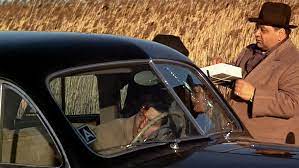
In another scene of The Godfather, a Corleone bodyguard named Clemenza (Richard S. Castellano) is asked to kill Paulie (John Martino), a perceived weak link in the crime family. As Clemenza leaves after performing his task, he tells his accomplice, “Leave the gun. Take the cannoli”. This scene takes place in a car on a deserted road, the cannoli was food packed for the trip.
Cannoli

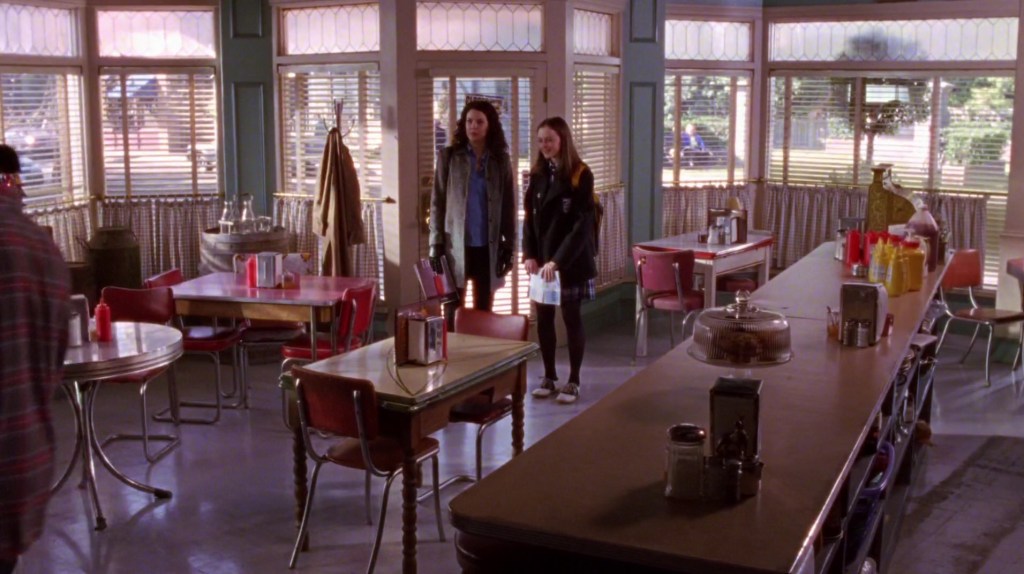
LORELAI: Hm. Or we could sit in the corner – you know, the Mafia table so that no one can come up behind you and whack you with a cannoli.

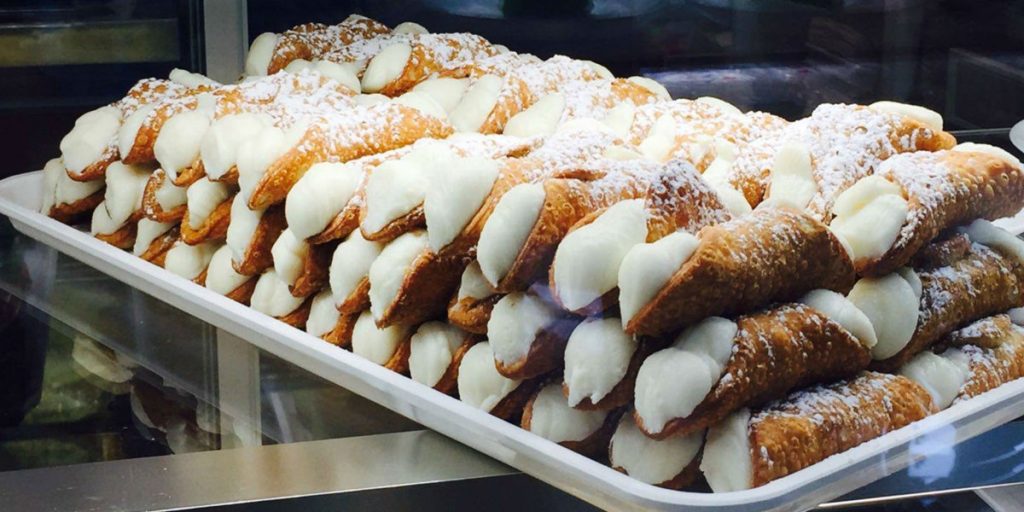
Cannoli are Italian pastries consisting of tubular pastry shells filled with a sweet, creamy, often ricotta, filling. In Italian, the singular of the word is cannolo, but in English, people usually say “a cannoli”, like Lorelai does.

The dessert dates to the Middle Ages, and is believed to be Sicilian, traditionally from Palermo and Messina. Historically, they were a treat for Carnival, before Lent, but are now enjoyed year-round.

“The Mafia table”

LORELAI: Hm. Or we could sit in the corner – you know, the Mafia table so that no one can come up behind you and whack you with a cannoli.

A reference to the 1972 film The Godfather, previously and frequently mentioned. There is a famous scene in the film where the young Michael Corleone (Al Pacino) becomes a made man (full member of the crime family) by taking out a rival mob boss and a corrupt chief of police in an Italian restaurant.

“On a clear day you can see all the way to the garbage cans”

RORY: Tempting. Do you know that on a clear day you can see all the way to the garbage cans behind Al’s Pancake World?

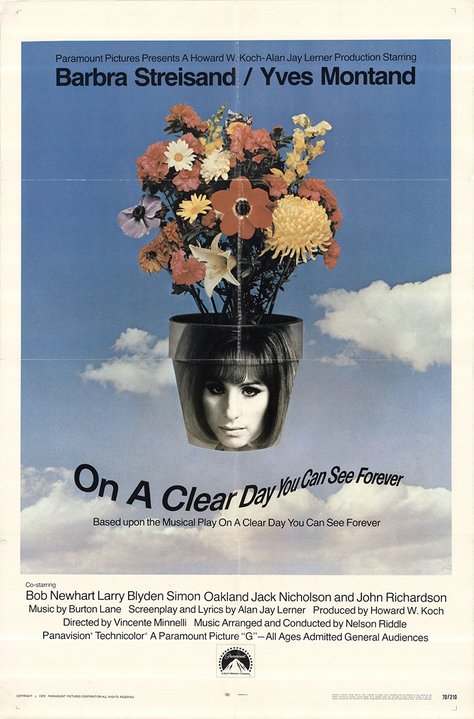
A possible allusion to the 1970 comedy-drama musical film, On a Clear Day You Can See Forever, directed by Vincente Minnelli, and based on the 1965 stage production of the same name, with lyrics by Alan Jay Sherman and music by Burton Lane. It stars Barbra Streisand, a favourite of Lorelai’s, as a woman who undergoes hypnotherapy to give up smoking, but in the process discovers she is the reincarnation of a seductive Regency lady.

The film received mixed reviews, but its reputation has endured over time.

Klump Street

LORELAI: I don’t know. Um, how ‘bout this table with it’s unobstructed westward view of the wide cosmopolitan expansive Klump Street?

Lorelai seems to be saying that Luke’s is on Klump Street. I presumed that the street that Luke’s is on is Main Street – Luke mentioned Main Street, and it looks like the main street of town, as it’s where major businesses are, like the market. If there is a bigger, more important Main Street somewhere, we never see it, which seems odd.

It’s just possible she means that you can see the street which crosses it, as Luke’s is on a corner, and that this is Klump Street. If so, that’s the street Weston Bakery is on. Klump Street is the location of the giant slinky.

In fact, due to the frosted glass, curtains and blinds on the diner windows, customers don’t actually seem to have a great view of anything much from the tables at Luke’s.

“Music has charms to soothe the savage beast”

LORELAI: But my question is, how did that happen? How was it that suddenly everyone in the world was saying ‘music has charms to soothe the savage beast’ when it was written breast?

“Musick has Charms to sooth a savage Breast” is a famous quote from William Congreve’s 1697 play, The Mourning Bride, previously mentioned. It means that listening to music can help calm angry and upset emotions.

For some unknown reason, it became popularly misquoted as “Music has charms to soothe a savage beast”. It doesn’t even make sense – if you’re being attacked by a wild tiger, whistling show tunes won’t help in the slightest.