LORELAI: Luke’s special omelette. That is brand new.
RORY: A new special? His four-slice French toast has been up there since I was born!
An obvious exaggeration. Luke’s Diner didn’t exist when Rory was born, and Rory didn’t live in Stars Hollow until she was two. It shows just how much Rory dislikes change – in “Like Mother, Like Daughter”, Rory bewails being forced out of her cosy little rut at Chilton to make friends.
French toast seems to be Rory’s go-to breakfast at Luke’s Diner, apparently because it is always on the specials board.
LORELAI: Right back, Dad, like right back. In fact, change on the way upstairs. And make it a Navy shower – quick soap, quick rinse and no excessive posing!
A Navy shower is a method of showering that saves water and energy by turning off the water while lathering, and then turning the water back on to rinse off. The total running time of this kind of shower can last less than two minutes. Navy showers originated on naval ships, where supplies of fresh water were often scarce.
In US naval parlance, the opposite of a Navy shower is a Hollywood shower, which is a long shower that uses up a lot of water – I think this is what Lorelai is referring to when she says “no excessive posing” (like a movie star posing for photographs).
Most likely, Lorelai talks about a Navy shower because Gomer Pyle, previously mentioned in this episode, became the star of his own show, Gomer Pyle, U.S.M.C., which ran from 1964 to 1969. In this spin-off sit-com, the good-hearted Gomer Pyle joins the Marines, where he exasperates his drill sergeant with his frequent mistakes and misunderstandings.
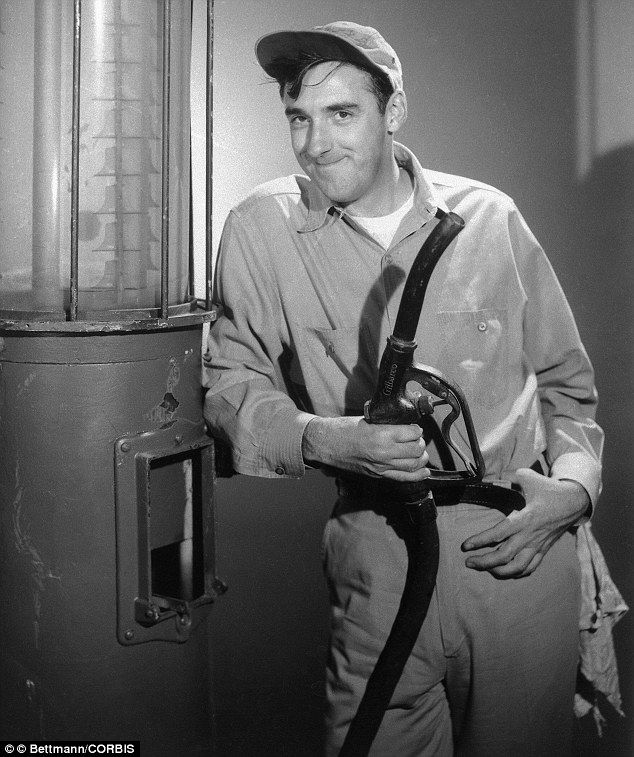
Lorelai is referring to Gomer Pyle, a character from The Andy Griffith Show, played by Jim Nabors. Gomer was the slow-witted, naïve mechanic who worked at the local filling station; at first very ignorant about cars, his knowledge increased until he was quite competent.
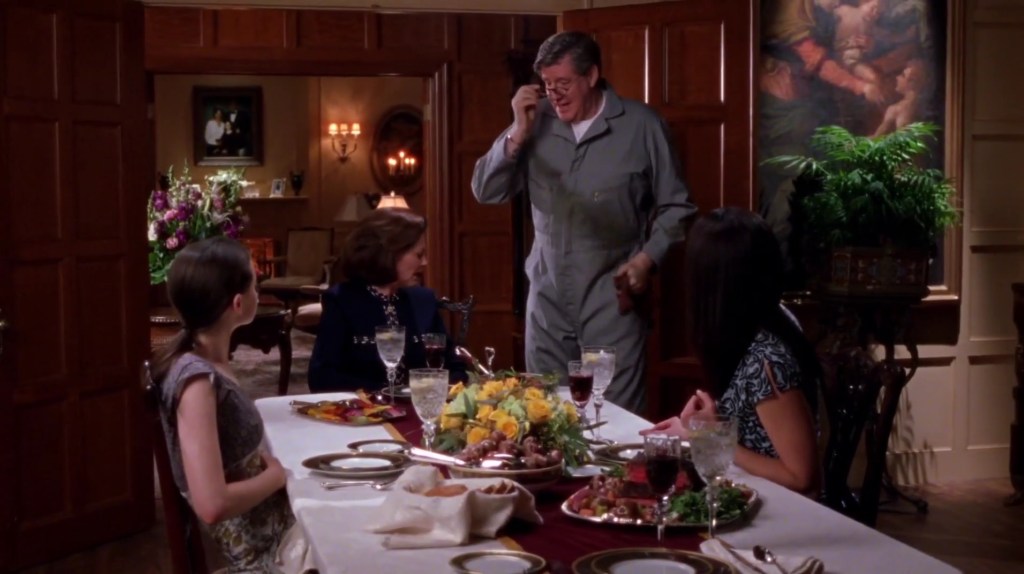
Lorelai calls Richard “Gomer” because he’s dressed in overalls and doing a mechanic’s work on his car.
LORELAI: Hey, no one told me it was casual Friday.
Casual Friday, a custom in some offices which allows for a more relaxed style of dress at work on certain Fridays of the year. It began in Hawaii in the mid-1960s, called Aloha Friday, with the idea that workers could wear traditional Hawaiian dress to the office on certain days. By the 1970s, it became acceptable to wear Hawaiian dress every day, but the idea of a more relaxed dress code on certain days spread to California, then to all of the US, and eventually throughout the West by the 1990s.
LORELAI: You know, you’re bound by the rules of the Geneva Convention, Mother, just like everyone else.
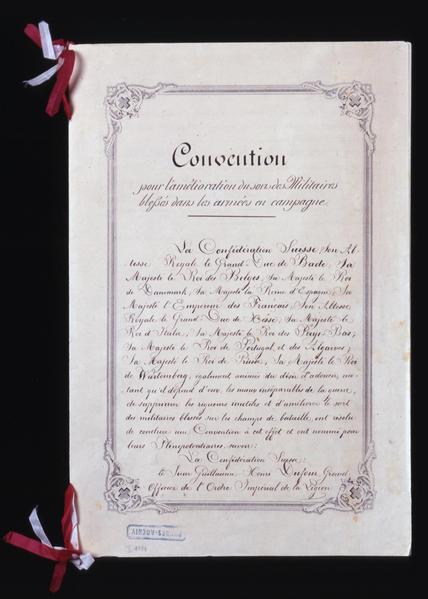
The Geneva Conventions are treaties and protocols that establish international legal standards for humanitarian treatment during war. The singular Geneva Convention refers to the agreements of 1949, negotiated in the aftermath of World War II. Lorelai melodramatically compares her being asked to wait for a meal to someone being tortured during wartime.
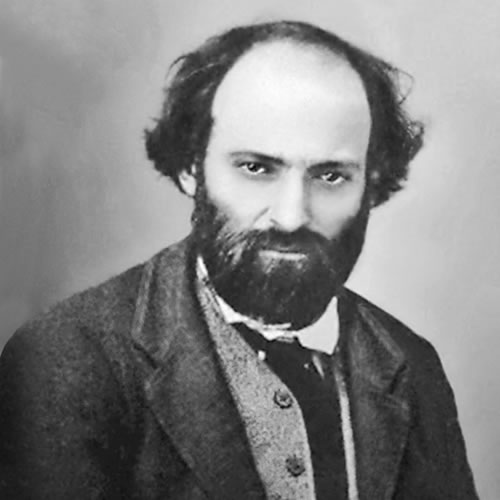
Paul Cézanne (1839-1906), French artist and Post-Impressionist painter whose work laid the foundations for the transition from the 19th century to the 20th in art, and a major influence on both Matisse and Picasso.
Richard may have taken up oil painting because it was the favoured hobby of Winston Churchill, who we know Richard admires. Churchill began in watercolours, but soon switched to oils, becoming known as a talented amateur painter.
It’s now around the middle of April, so Richard bought his antique car at the beginning of the month. It seems that Richard has gone through several hobbies since he retired earlier in the year – even though Emily urged him to try new things, she doesn’t seem that thrilled with any of his choices.
In real life, Edward Hermann, who played Richard, was a car enthusiast and did restore antique cars as a hobby.
(Technically it’s possible that this is the same Friday the previous episode ended on, but it doesn’t seem likely, because that finished with a big community feast at the diner. Lorelai and Rory shouldn’t be so hungry if they’d eaten only an hour earlier).
LORELAI: Forever. Godot was just here. He said ‘I ain’t waiting for Richard,’ grabbed a roll, and left. It’s been forever.
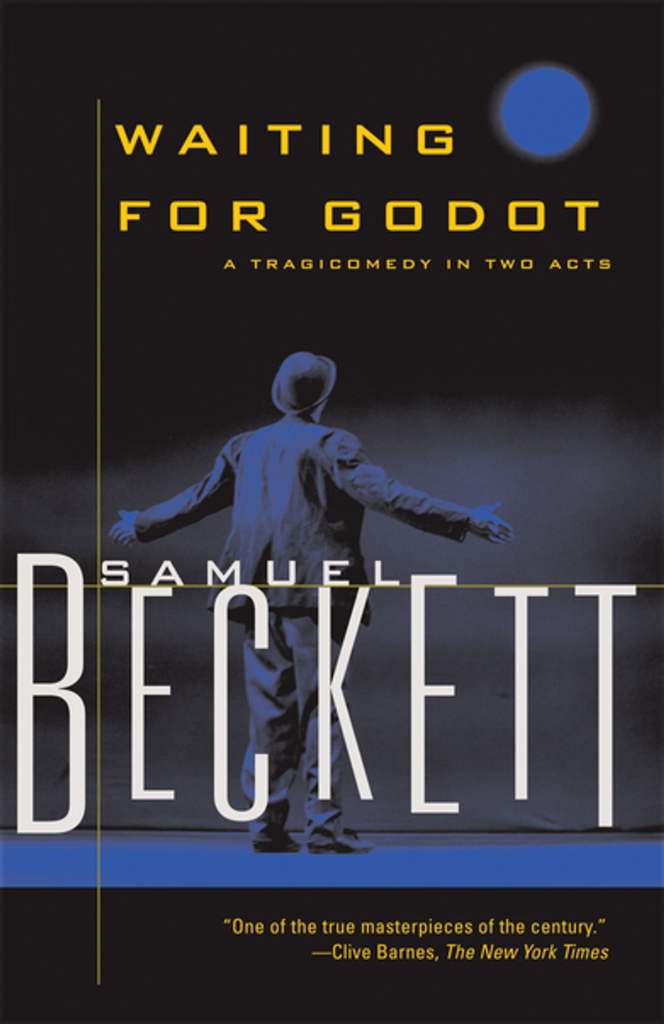
A reference to Waiting for Godot, a play by Irish playwright Samuel Beckett, originally written in French in 1948-49 (title: En attendant Godot). The French play had its premiere in Paris in 1953, and Beckett’s English translation of his own play premiered in London in 1955.
In the play two characters named Vladimir and Estragon engage in a number of discussions and encounters while they wait for the Godot of the title, who never turns up. It has been voted the most significant English language play of the 20th century.
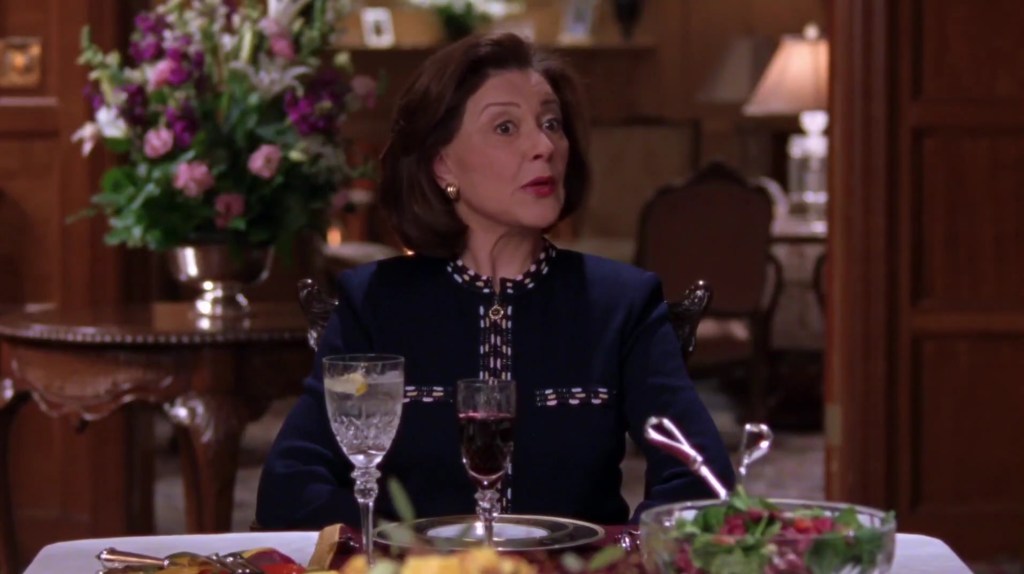
The episode begins with Rory and Lorelai sitting at the table with Emily, but unable to begin eating because Richard is not there yet. Emily says that she will never start dinner without Richard unless he’s out of town or seriously ill, but in fact there’s been a few episodes where Emily has started dinner without Richard because he’s been busy or on the phone. And in “Hammers and Veils”, she rushes them to start dinner without Richard because he has an early flight the next day.
What makes it even more unbelievable is that Emily has allowed the cook/maid to serve the meal, and there is actually roast beef and vegetables sitting right on the table in front of them, getting cold. Apparently Emily will serve a meal without Richard, but won’t start eating until he arrives. Emily’s annoyance with Richard’s tardiness is soon weaponised to make everyone else miserable.
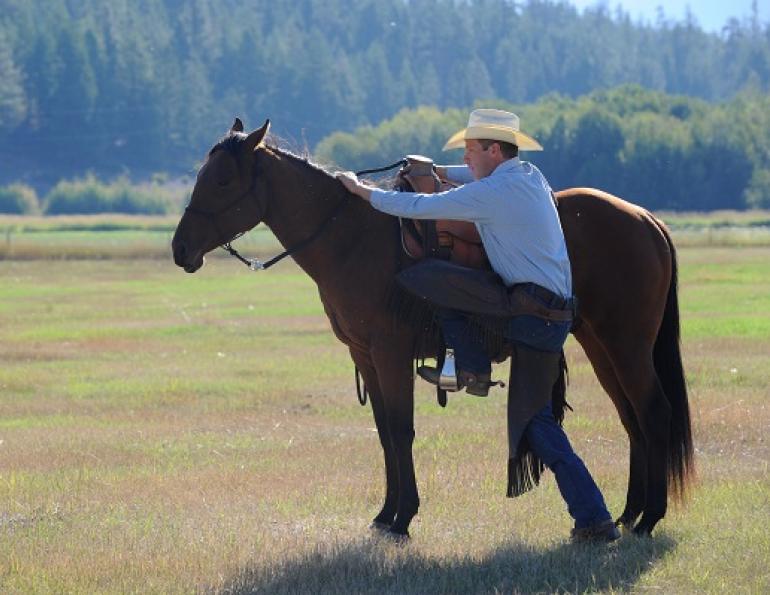
To “get back in the saddle” means to return to something after a break or absence, often after some kind of failure or setback. The phrase originated in the early 19th century, and referred to cowboys and other professional riders who had suffered an injury, but were now recovered and “back in the saddle” to continue their normal lives. By the late 19th century, it had begun to be used in the more general sense, to mean returning to any activity.
This episode is about Richard “getting back in the saddle” as he comes out of retirement.



 The Annotated Gilmore Girls