Women’s Basketball

LUKE: I asked [Sookie] how your plans were going with the new inn, and she very awkwardly changed the subject to women’s basketball … She’s never shown much interest in sports before … What’s going on with that?
LORELAI: Oh well, you know, women’s basketball is getting super popular. That’s good, I think. The tall girls need an outlet.

Rune thought Lorelai was too tall, even referring to her as a basketball player. Here Lorelai is quick to imply she’s not a “tall girl” who needs the “outlet” of playing basketball. (She’s about an inch shorter than average for a female basketball player).

Luke says that women’s basketball is in season and maybe Lorelai and Sookie could go to a game together. I think he must mean the women’s college basketball tournament (NCAA Division 1), which opens in November, as the professional league, the Women’s National Basketball Association, has a season running from May to September.
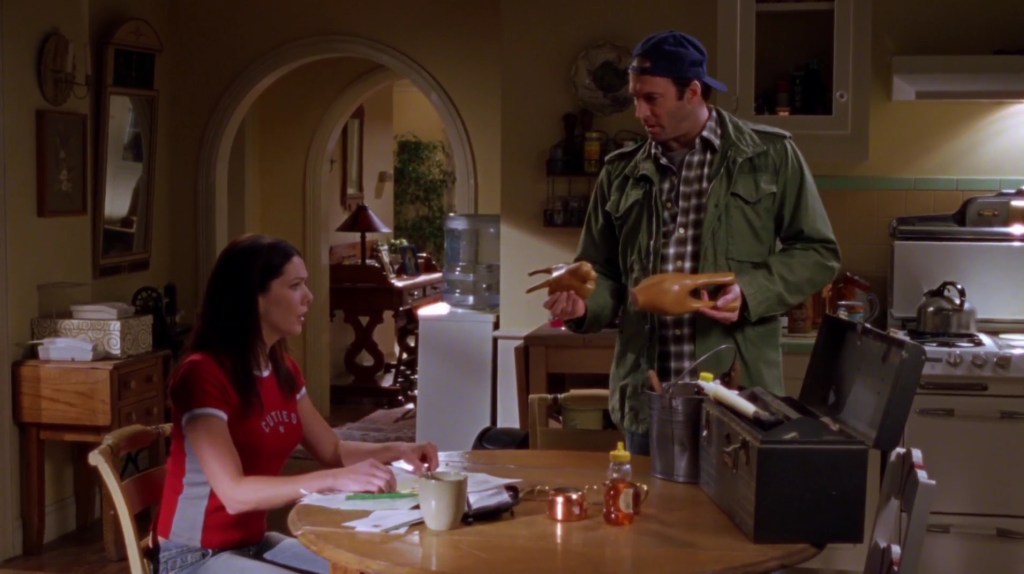
Luke Protects and Mends the Chuppah

LORELAI: Thanks for doing this. I didn’t want the rain to destroy your beautiful chuppah. And I looked and looked in the yellow pages and I didn’t see a chuppah waterproofer listing anywhere.

Luke comes over because Lorelai is worried the chuppah Luke made for her wedding to Max might get damaged by rain – apparently this is the first time heavy rain has been expected since August? Or else there’s been so much successive rain that Lorelai is worried about its cumulative effect.

I’m not sure how Luke saved the chuppah from getting wet, possibly some sort of oil or coating to protect it from the elements (there’s a bottle of something in his bucket, but you can’t see the label). He also has to superglue the head of a wooden goat decorating the chuppah back on. It’s a nice symbol of how Luke is willing to maintain and protect his relationship with Lorelai.

As part of that, he asks Lorelai about her fight with Sookie, and listens to her fears about starting her own business, and her grief at losing her connection to the Independence. She speaks of the inn as her “memory home”, where both she and Rory took their first steps, saying it means more to her than her parents’ home (what a kick in the teeth for Emily and Richard!).

Lorelai’s Fight with Emily

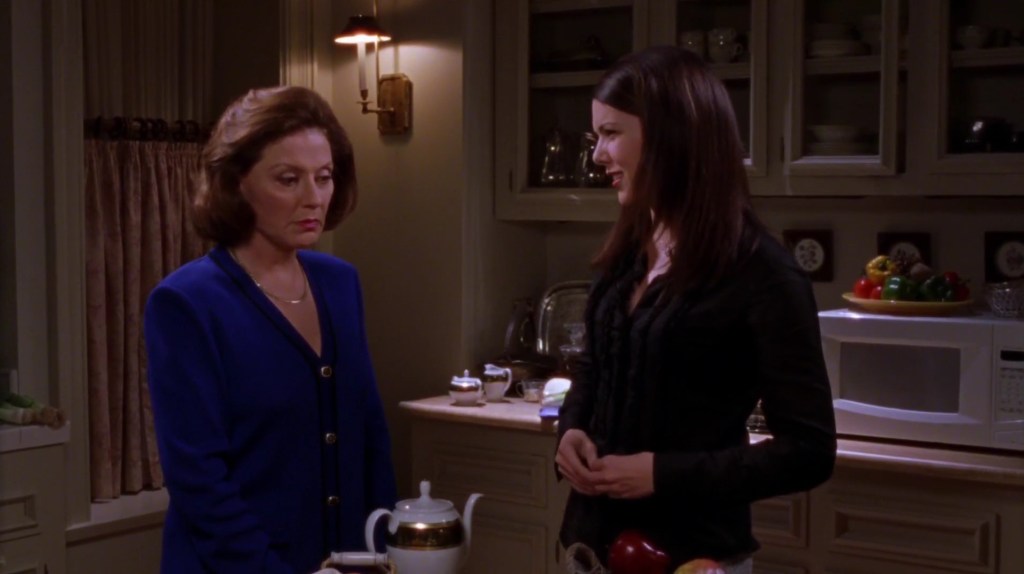
EMILY: You can be so harsh sometimes, and I just don’t know where it comes from or what I’ve done to deserve it.
LORELAI: You did nothing … Mia showed up for a visit and I told her about our plans and she’s talking about selling the Independence Inn and it just wigged me out a little. It’s stupid, I don’t know, but that was our home for so long, mine and Rory’s.

During a pretty standard Friday night argument, Emily and Lorelai actually reach out and express their feelings to each other. (It’s interesting that Emily’s perception that Lorelai can be very harsh is exactly how Lorelai must often feel about Emily).

Unfortunately, whenever Lorelai is honest about how she feels, it often has the effect of hurting Emily. In this case, she has to hear that Lorelai thinks of the Independence Inn as she and Rory’s “home”, and is reminded that it’s the place where Rory grew up. Although she forgives Lorelai for her outburst, and says she understands, she is clearly hurt to hear the emotional attachment Lorelai still has to Mia and the Independence.

In this scene, Lorelai makes it sound as if the Independence was their home for many years, even though they only spent two or three years in the potting shed (as Lorelai said it’s where they lived when Rory was a baby). Possibly as Lorelai proved her worth, Mia was able to move she and Rory into more suitable accommodation in the inn, such as staff quarters. It may be that Richard and Emily only began visiting them at the inn after this point, which is why they never knew about the potting shed days.

Boise

RORY: I wonder if Grandpa’s still in Akron?
LORELAI: Well for Akron’s sake, I hope he’s moved on to Boise.

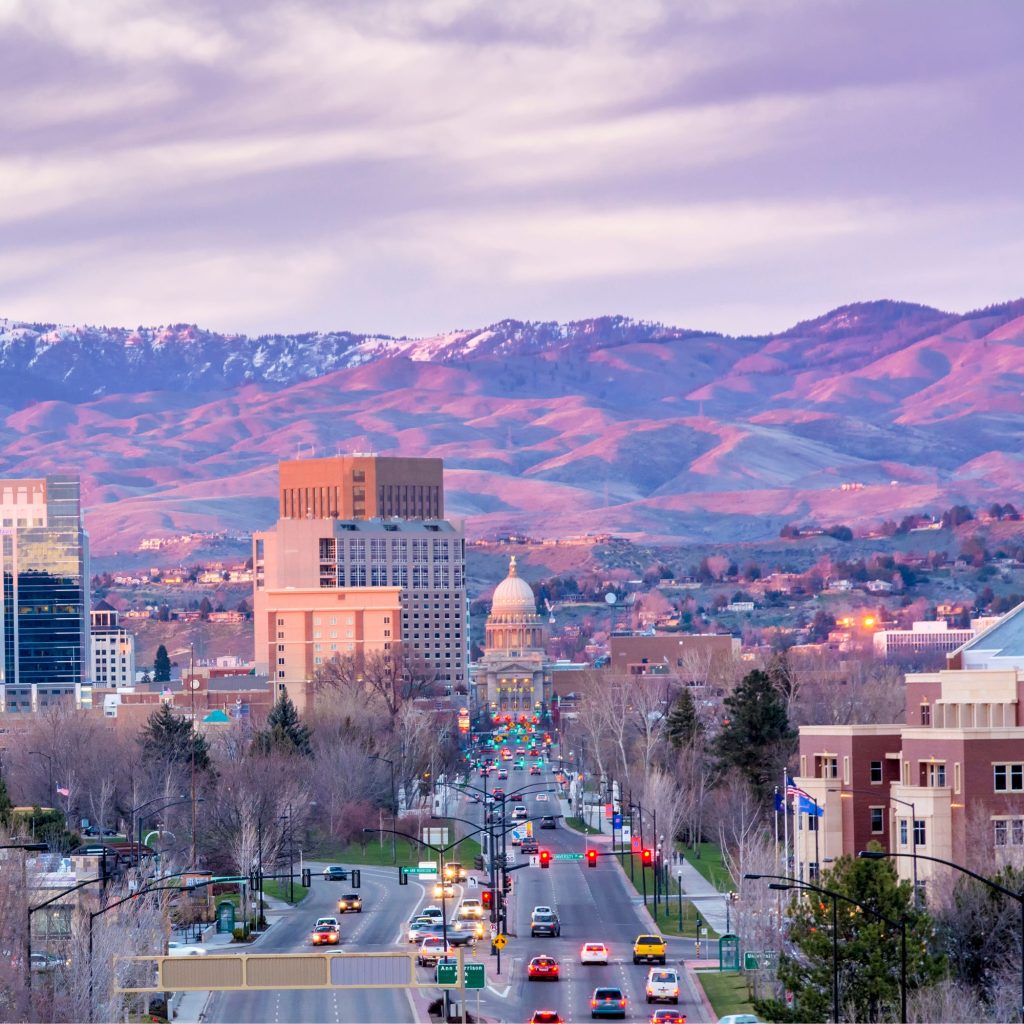
Boise is the capital of Idaho, a city with a population of around 240 000. It’s more than two thousand miles from Akron, so not a natural place to “move on to” from there.

David Lynch, previously discussed, grew up in Boise. As he’s Amy Sherman-Palladino’s favourite director, I expect that’s why it rates a mention.

Jess Meets Dean

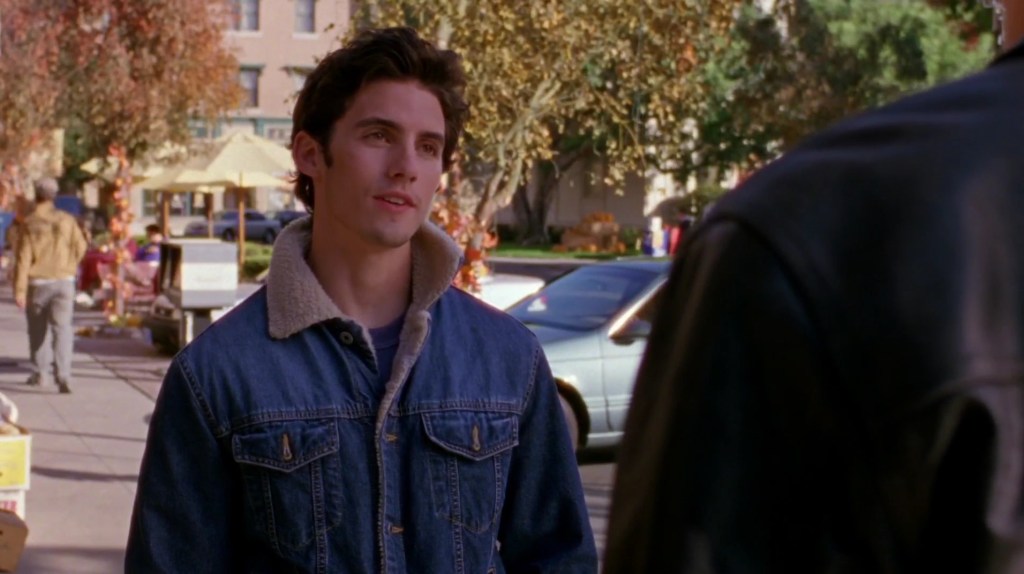
RORY: Um Dean, I don’t think you two have met. This is Jess. This is Dean.
JESS: Boyfriend?
RORY: Of course.
JESS: Sorry, you didn’t say.

Naturally Jess knows that Dean is Rory’s boyfriend – he must have seen them walking around town together and smooching outside the market numerous times. He probably targeted a prank at the market because he knows Dean works there.

Jess does enjoy letting Dean know that in the two months since he and Rory met, she never bothered to mention Dean’s name or said she had a boyfriend. If Dean doesn’t treat this as a red flag, then he’s not very bright.

Holden Caulfield

RORY: All [Luke] does is stick up for you and all you do is make his life harder. I guess that’s what you have to do when you’re trying to be Holden Caulfield, but I think it stinks.

Holden Caulfield is the seventeen-year-old protagonist of J.D. Salinger’s 1951 novel, The Catcher in the Rye. Since the book’s publication, he has become an icon for teenage rebellion and angst.

To Kill a Mockingbird

RORY: You did it [the chalk outline]. The whole town knows you did it. They had a meeting about it.
JESS: You actually went to that bizarro town meeting? Those things are so To Kill a Mockingbird.

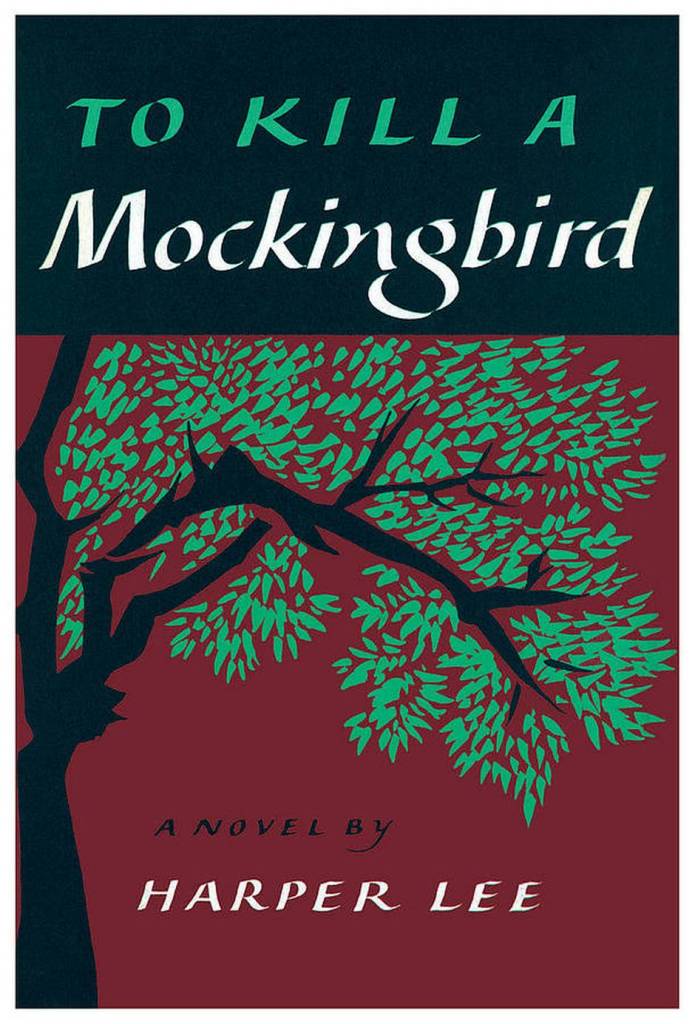
To Kill a Mockingbird, the 1960 novel by American author Harper Lee, previously mentioned. The novel is set in the fictional Alabama town of Maycomb during the Great Depression, and focuses on small town prejudices, traditions, and taboos. The book made an immediate sensation on publication, won the Pulitzer Prize, and became a bestseller. One of America’s most beloved novels (and a great favourite worldwide), it is often set as a text in high schools.

Note that Jess uses the word “bizarro”, just as Lorelai has done.

Blue Book Laws

JESS: I’m not really familiar with the blue book laws in this town, so you can be talking about a lot of things. Dropping a gum wrapper, strolling arm in arm with a member of the opposite sex on a Sunday.

Jess seems to have confused two different things and put them together (perhaps deliberately).

Blue laws are laws designed to restrict activities on a Sunday, such as banning certain retail activities eg buying alcohol. In Puritan times, they were very strict when Connecticut was a colony, which might be what Jess is implying – that Stars Hollow is still stuck in the colonial past. Examples of such old timey strictness include not allowing people to run anywhere, or to walk in their gardens on a Sunday. It’s not common, but some towns in the US do have their own blue laws, even today.

Project Blue Book was the code name for the study of UFOs by the US Air Force from 1952 to 1969. Did Jess make a simple error, a Freudian slip of the tongue, or is he saying that he feels like an “alien” being studied by the townsfolk of Stars Hollow?

(I have actually seen people make this same error in regard to “blue book laws”, so I don’t discount the idea that the writer, Daniel Palladino, may have had the same misunderstanding).