Love in the Afternoon

EMILY: I caught some of Love in the Afternoon the other day, the movie. Have you seen it, Mom?
TRIX: I don’t believe I have.
EMILY: Oh, well, it’s wonderful. And a wonderful concept, too, don’t you think? Anyway, I must have the music stuck in my head. That must be why I’m singing it. I mean, what else could it be, hm?

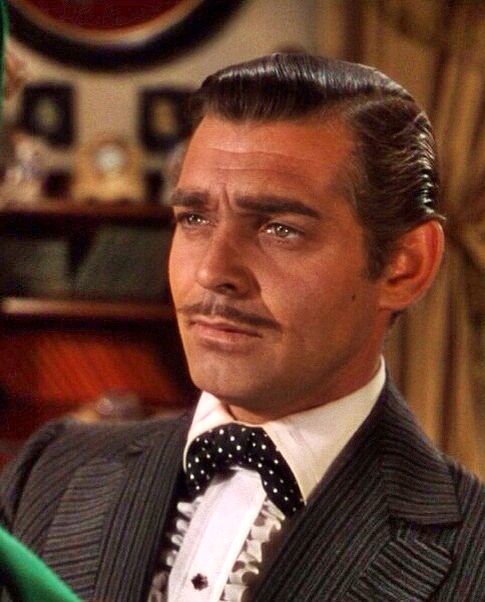
Love in the Afternoon, 1957 romantic comedy film directed and produced by Billy Wilder, based on the 1920 novel, Ariane, Young Russian Girl, by French author. It stars Gary Cooper, Audrey Hepburn, and Maurice Chevalier. The story explores the relationship between a notorious middle-aged American playboy business magnate and the daughter of a private detective hired to investigate him.

The film was a failure at the box office in the US, as audiences thought Gary Cooper was too old to be having an affair with the much younger Audrey Hepburn. However, in Europe it was a major success, released under the name Ariane. The theme music “Love in the Afternoon” was written by jazz composer Matty Malneck.
Full Metal Jacket

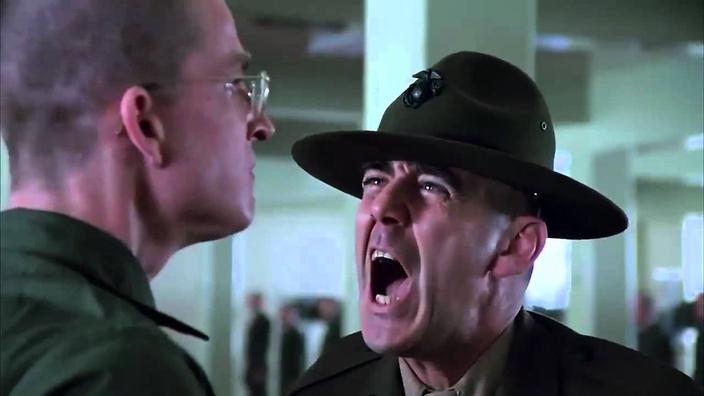
ZACH: Dude, remember the drill instructor in Full Metal Jacket?
BRIAN: Totally.

Full Metal Jacket, 1987 war drama film directed, produced, and co-written by Stanley Kubrick. It is based on the 1979 semi-autobiographical novel, The Short-Timers, by Marine Corps veteran Gustav Hasford, who was also one of the screenwriters, and stars Matthew Modine, Lee Ermey, Vincent D’Onofrio and Adam Baldwin.

The storyline follows a platoon of US Marines through their training who struggle under their abusive drill instructor Gunnery Sergeant Hartman (Lee Ermey). It was the last of Stanley Kubrick’s films to be released during his lifetime, and received critical acclaim, as well as being a commercial success. It is regarded as one of the most exciting films ever made.

Zach and Brian liken Mrs Kim to Gunnery Sergeant Hartman for her level of scariness.

Michael Moore

LORELAI: And you couldn’t have taken two seconds at work to call and tell her that?
JESS: No.
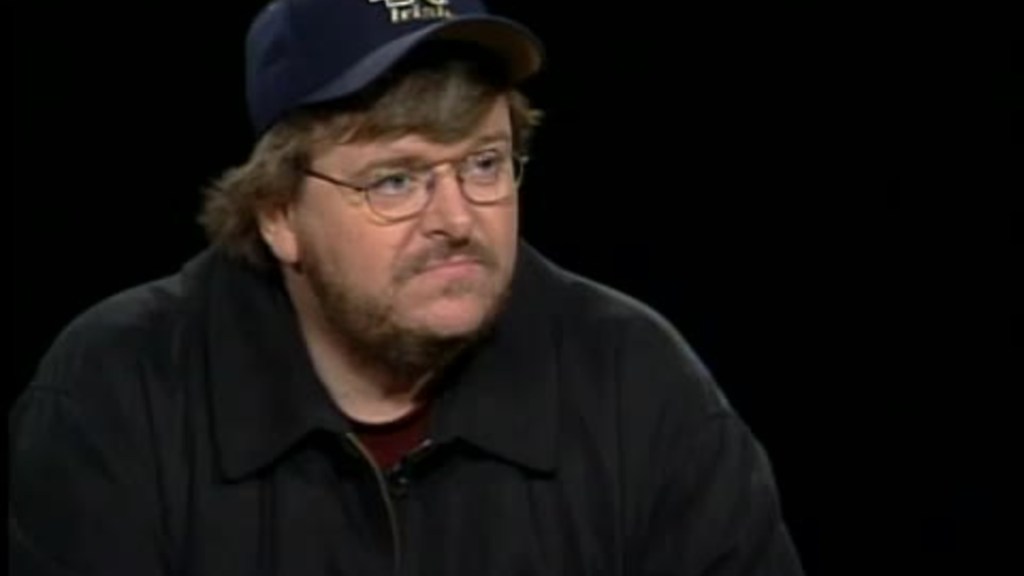
LORELAI: Really? You don’t get breaks? Do you get food, water? Should I get Michael Moore on the phone?

Michael Moore (born 1954), filmmaker, author and left-wing activist. His documentaries frequently address the topics of globalisation and capitalism.

Hoosiers, Litchfield

RORY: But didn’t we only make it this far because the Litchfield team got food poisoning?
TAYLOR: Well, I admit it’s not exactly the plot of Hoosiers, but still it’s very, very exciting.

Hoosiers, 1986 sports drama film directed by David Anspaugh in his feature directorial debut, and starring Gene Hackman. It tells the story of a small-town Indiana high school basketball team that enters the state championship. It is inspired in part by the Milan High School team who won the 1954 state championship. The film was critically acclaimed, and is regarded as one of the best sports film ever made.

Litchfield, previously discussed.

Bambi, Rabbit in Monty Python

JESS: Just lay low, it’ll come.
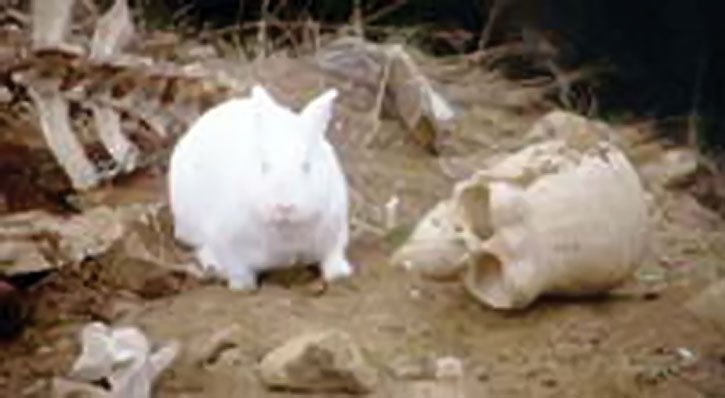
LUKE: Does it act all peaceful and Bambi-like and then suddenly attack like the rabbit in Monty Python?

Bambi, previously discussed.

Luke refers to the Killer Rabbit of Caerbannog, a character in the film, Monty Python and the Holy Grail, previously discussed. In the film, the Knights of the Round Table are told a particular cave is guarded by a fearsome monster – to their initial relief, this beast turns out to be what appears to be an ordinary white rabbit. No longer taking the warnings seriously, they approach the rabbit confidently – only for one of the knights to be instantly decapitated by a flying bunny. The rabbit kills two more knights and seriously injures several more before it is defeated.

Petey the Dog

LUKE: You’re Petey the dog.

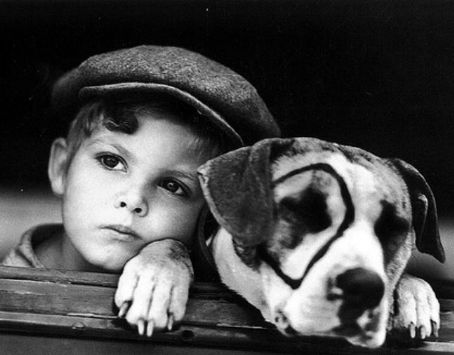
Pete the Pup, the dog in the Our Gang comedies, later known as The Little Rascals, previously discussed. The character was otherwise known as Pete the dog, or Petey.

The original dog who played Pete was Pal the Wonder Dog (1924-1930), an American Pit Bull Terrier with a natural ring almost around his eye, finished off with dye. The second Pete was the same breed named Lucenay’s Peter (1929-1946). He didn’t have a ring around his eye, so it was added in using Max Factor make-up.

Big White Stetson

JESS: What if Dean had sucker-punched me and I had to defend myself? You’re not even considering the possibility that that’s what happened?
RORY: Dean wouldn’t do that.
JESS: Oh, no, he might get his big white Stetson dirty.

Stetson, a brand of hat symbolic of the pioneering West, made by the John B. Stetson Company, which was founded in Philadelphia in 1865. They quickly became associated with legends of the old West who wore Stetsons, such as Buffalo Bill, Calamity Jane, Will Rogers, and Annie Oakley.

Later, cowboys in Western movies were invariably shown wearing Stetson hats – in film symbology, the “good guys” are often thought of as wearing white Stetsons, and the “bad guys” black ones. In actual fact, it isn’t as clear cut as people seem to remember this trope, but film and TV cowboys such as Tom Mix and the Lone Ranger must have helped cement the idea of the good guy wearing a white hat.

Orcs

LORELAI: But if you can’t get a hold of him, it might be safer to plan on staying at Mom’s. I mean, if you run out of gas, you’re stuck. And at the mercy of the Orcs.

A race of humanoid monsters which feature in the Lord of the Rings films, previously discussed as favourite movies of Lorelai and Rory. Brutish, ugly, and malevolent, Lorelai seems to be using them as a symbol of all the bad things that could happen to Rory.