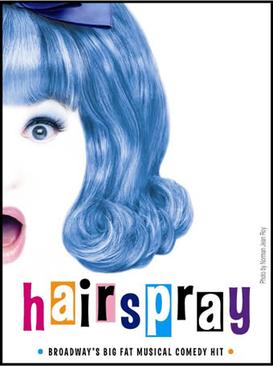
LORELAI: I cannot picture you watching Hairspray. LUKE: It was okay. I liked The Producers better.
Hairspray, musical with music by Marc Shaiman and lyrics by Marc Shaiman and Scott Wittman, with book by Mark O’Donnell and Thomas Meehan, based on John Water’s 1988 film of the same name. Set in 1962 Baltimore, the story follows teenage Tracy Turnblad’s dream to dance on a local TV dance program. When Tracy wins a role on the show, she becomes a celebrity overnight, leading to social change as Tracy campaigns for the show’s racial integration.
The musical opened in Seattle in 2002 and moved to Broadway later that year. In 2003, Hairspray won eight Tony Awards, including one for Best Musical. It ran for 2,642 performances before closing in 2009. Hairspray has also had national tours, a West End production, numerous foreign productions, and was adapted as a 2007 musical film.
The Producers, previously discussed. Lorelai mentioned wanting to see this musical, but thought it was too hard to get tickets. Luke and Nicole don’t seem to have had any trouble – a sign of Luke leaving Lorelai behind a little bit through his relationships with Nicole.
RORY: How was work? JESS: I toted the barge, lifted the bale.
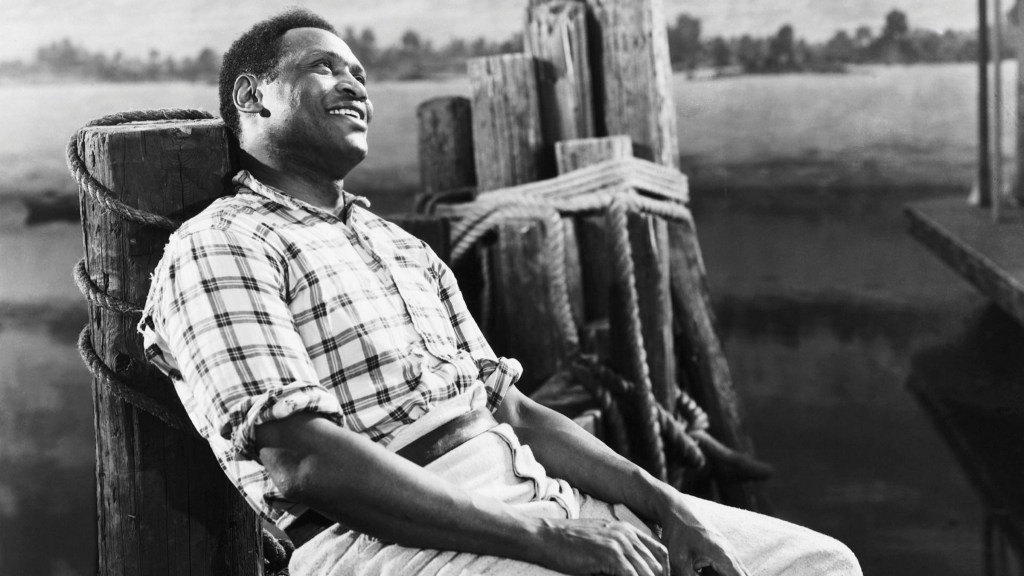
Jess refers to the show tune “Ol’ Man River”, with music by Jerome Kern and lyrics by Oscar Hammerstein III, from the 1927 musical Showboat. The song contrasts the struggles and hardships of African Americans with the endless, uncaring flow of the Mississippi River. It is sung from the point of view of a black dock worker on a showboat, and is the most famous song from the show.
Jules Bledsoe sang the song in the original stage version, and William Warfield in the 1951 film version. In 1928, Paul Robeson recorded the most famous version, which was sung at dance tempo; Robeson’s recording was recorded into the Grammy Hall of Fame in 2006.
The lyrics say, Tote that barge! Lift that bale!, to indicate the hard work undertaken on the river by black workers.
MISS PATTY: [sings] It’s a quarter of three, there is no one in the place, except you and me.
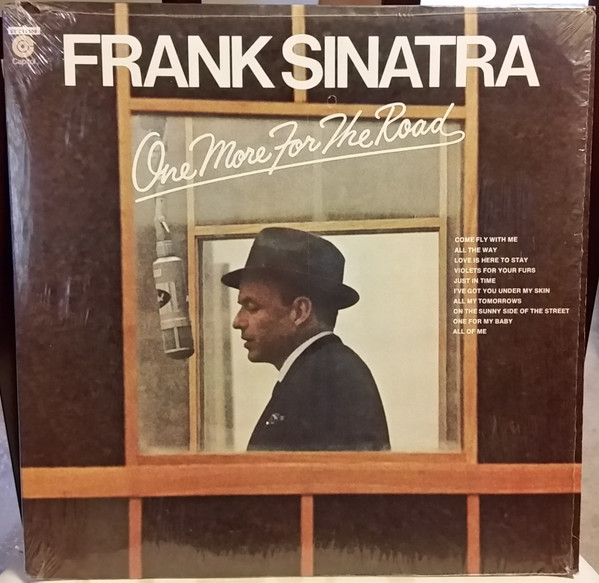
Miss Patty sings, “One For My Baby (And One More For the Road”, a hit song written by Harold Arlen and Johnny Mercer for the 1943 musical film, The Sky’s the Limit, where it was sung by Fred Astaire. It was further popularised by Frank Sinatra, who recorded it several times between the 1940s and 1960s.
MISS PATTY: I was a chorus girl in a bus-and-truck tour of Guys and Dolls. Beantown, I love that town. And there I was, me and the girls backstage after the show, and in she comes. And who does [Bette Davis] walk right up to, but little old me. And she sized me up, exhaled some smoke from that regal mouth of hers, and said, “Doll, you don’t got the high notes but you sure got the gams.” I’ll always treasure that moment with Bette and I wanna dedicate this song to her.
Guys and Dolls, a 1950 Broadway musical, with music and lyrics by Frank Loesser, and book by Jo Swerling and Abe Burrows. It is based on several short stories of the 1920s and ’30s by Damon Runyon.
The musical received overwhelming critical acclaim, and praise for its faithfulness to Runyon’s stories. It won several Tony Awards, including Best Musical, and had multiple Broadway and London revivals, as well as a 1955 film adaptation starring Marlon Brando, Jean Simmons, and Frank Sinatra. In 1998, the original cast was inducted into the Grammy Hall of Fame. It is considered one of the most significant musicals of all time.
MISS PATTY: Okay, here we go. Hey, did you know that I once met the great Bette Davis?
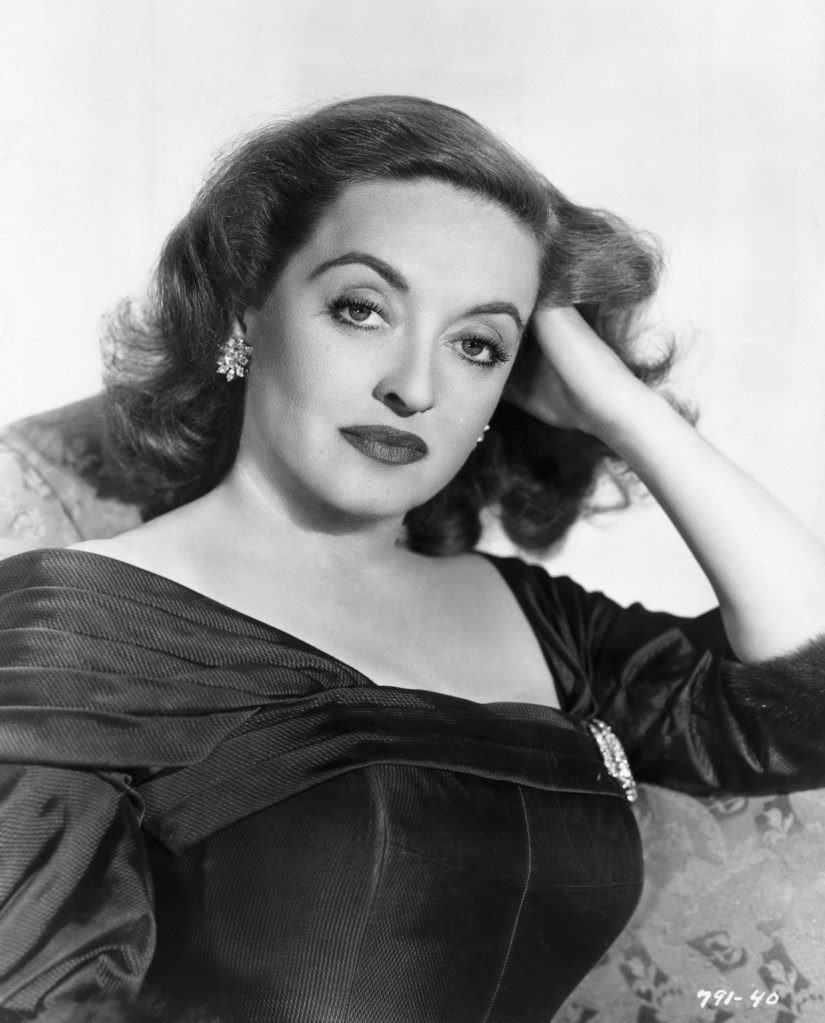
Ruth Elizabeth “Bette” Davis (1908-1989), Hollywood actress with a career spanning more than 50 years and 100 acting credits. She was noted for playing unsympathetic, sardonic characters, and was famous for her performances in a range of film genres, although her greater successes were in romantic dramas. She won two Academy Awards.
RORY: Do you wanna watch more of the extra supplementary stuff on the Lord of the Rings DVD? LORELAI: Well, it’s just the drawings and that fat guy talking.
RORY: Well, let’s watch Footloose again.
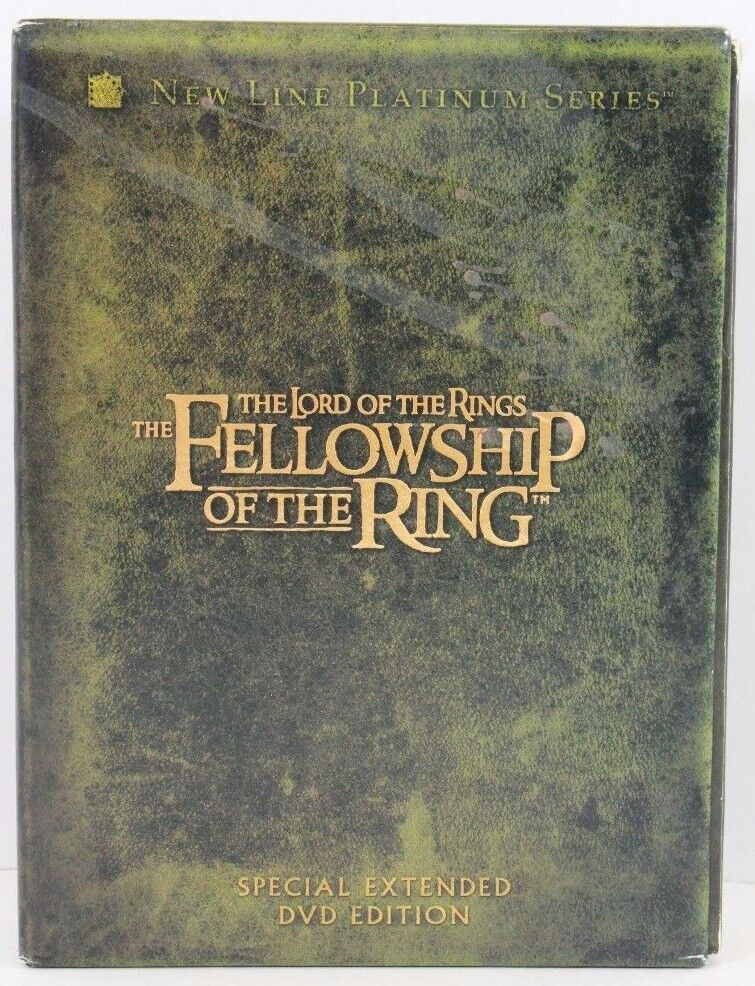
At this point, only the first film in the trilogy, The Lord of the Rings: The Fellowship of the Ring, previously discussed, had been released on DVD. An extended edition was released in November 2002, with 30 minutes of new material, added special effects and music, plus 19 minutes of fan-club credits. The DVD set included four commentaries and over three hours of supplementary material. The “fat guy” was the film’s director, New Zealander Sir Peter Jackson (he has since lost weight). You can tell this is a Daniel Palladino script, with someone’s weight being mentioned like this!
You might remember that Rory balked at watching The Fellowship of the Ring with Dean another time, even though he reminded her that she had earlier said she wanted to watch it “a hundred times”. Obviously it was Dean she was sick of, not the film, as she and Lorelai got it on DVD and are even watching the extra stuff on the disc together.
Footloose, previously discussed and frequently mentioned as a favourite film of Lorelai’s.
During this scene, Lorelai and Rory have to coordinate their schedules, because with both of them so busy, it’s getting harder for them to spend mother-and-daughter alone time. Each of them are getting more conscious of the fact that Rory will be going to college later in the year, and their time for having their “secret little club” is fast coming to a close.
Sunday is the only day they have to spend together now. As they immediately start getting ready to watch a movie together, it suggests that this scene takes place on Sunday 9th February.
LORELAI: Hey, you know what Gran needs? … A fella. RORY: With or without an umbrella.
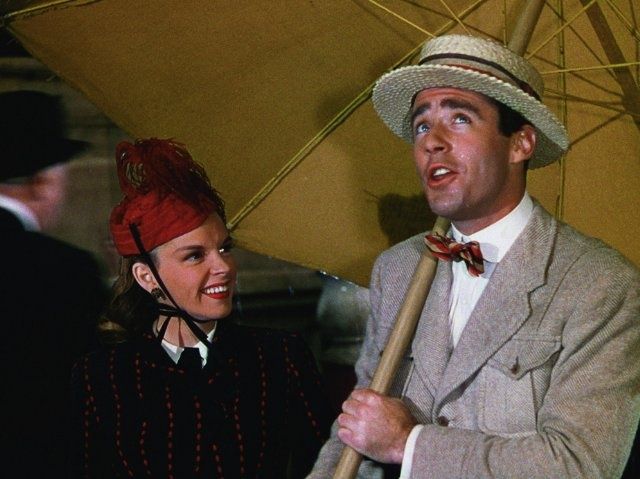
Rory references the song, “A Fella With an Umbrella”, written by Irving Berlin and sung by Judy Garland in the film Easter Parade, previously discussed. This suggests the film is one that Lorelai and Rory have watched together several times.
Lorelai sings the theme song to the film Easter Parade, previously discussed, as she starts setting up the new DVD player for Emily – perhaps partly to block out Emily’s complaints!
The song “Easter Parade” was written by Irving Berlin in 1933 – the melody was written in 1917, and was originally for a song called, “Smile and Show Your Dimple”, intended to cheer up girls who had to send their husbands and sweethearts off to war. A 1918 recording by Sam Ash had modest success.
The Easter lyrics for the tune were written in 1933 for a Broadway musical called As Thousands Cheer, first sung by Marilyn Miller and Clifton Webb. It has featured in several films, including Holiday Inn, while the film Easter Parade is constructed around the song, and performed by Judy Garland and Fred Astaire. Several artists have had hits with the song, including Bing Crosby and Liberace.
In the final flashback, we see Emily and Richard coming downstairs, ready to go out. Emily comments that for the first time in a year, she hasn’t tripped over Rory’s baby stroller, which Lorelai never puts away. Emily finds a note on the hall table and begins to cry – it is obviously the note that Lorelai wrote when she left home, taking Rory with her.
It’s interesting to speculate as to where this flashback comes from. It can’t be Lorelai’s memory, because she never saw this happen. Is it Emily’s memory? Or is it Lorelai’s imagining what must have happened, based on what she knows? Or is it somehow an objective picture from the past of that moment?
The seven flashbacks in this episode encapsulate the central conflict in Gilmore Girls – that Lorelai got pregnant as a teenager, and then left home with her baby, leaving only a note.
It seems clear during the episode that Lorelai, through Sherry’s birthing of Georgia, gets to relive and re-examine some of her past behaviour and choices. We get to see that Richard and Emily may not have been perfect parents, but they are by no means monsters who deserved to be abandoned and shunned by their daughter.
Emily was a staunch advocate for Lorelai when she discovered she was pregnant, and stood up for her against the cruel insults of Christopher’s parents. Richard and Emily never rejected Lorelai, or kicked her out. She still had a home with them, and they continued supporting her and baby Rory.
Obviously Lorelai was very unhappy, and wanted to make a life for herself, but in retrospect, some of her decisions seem cruel – I think even to herself. She left for the hospital to give birth by herself, not allowing her parents any role in that, and she left home the same way, leaving only a note.
We already know that Emily was so devastated by Lorelai’s leaving that she was confined to bed for a month, and much of the coldness and harshness that we see from Emily and Richard in the present stem from this rejection by their daughter, which they have never really got over.
I think Lorelai’s generous and thoughtful gift of the DVD player and nine musicals on DVD that are a combination of Emily’s favourites and hers is her way of trying to … not to erase the past, but to make a kind gesture to her mother and to try to connect with her by sharing something they both enjoy, in recognition that Emily’s life is far lonelier than Lorelai’s.
1952 musical romantic comedy film, directed and choreographed by Gene Kelly and Stanley Donen, and starring Gene Kelly, Donald O’Connor and Debbie Reynolds.It offers a lighthearted depiction of Hollywood in the late 1920s, about performers caught up in the transition from silent films to “talkies”. The film was only a modest hit when it was first released, but has now reached legendary status, often considered the greatest musical ever made.
1949 musical film, directed by Charles Walters, with music by Irving Berlin, and starring Judy Garland and Fred Astaire. The story revolves around a Broadway actor trying to turn an ordinary dancer into a star. A critical and commercial success, Easter Parade was the highest-grossing musical film of 1948, and the second-highest grossing MGM musical of the 1940s.
An American in Paris
1951 musical comedy film, inspired by the 1928 orchestral composition An American in Paris, by George Gershwin. Directed by Vincente Minnelli, it stars Gene Kelly and Leslie Caron in her film debut. The film is set in Paris, and is about an American World War II veteran trying to succeed as an artist. The music is by George Gershwin, with lyrics by his brother Ira Gershwin. The film was the #8 film of 1951 and won Best Picture at the Academy Awards, but its reputation today is of being pleasant and attractive, rather than a really good film.



 The Annotated Gilmore Girls