Lorelai, Rory, Christopher and Dean have Chinese takeout for dinner on the night before the ball. It includes Kung Pao chicken and egg rolls.
Kung Pao chicken (in Mandarin, Gongbao jiding) is a spicy stir-fried Chinese dish traditionally made from cubed chicken, peanuts, spring onion, and chilli peppers. It is a classic of Szechuan cuisine dating to the 19th century. It’s thought to be named after Qing Dynasty official Ding Baozhen (1820-1886), and his title of Gongbao (“palace guardian”); his surname Ding sounds like jiding (“chicken”), but also can be read “small cube”, like the cubes of chicken in this dish. Westernised versions of Kung Pao chicken can be much sweeter and stickier than the original, with more vegetables, and sprinkled with roasted peanuts; it’s a standard of Westernised Chinese cuisine.
Egg rolls are an appetiser, part of American Chinese cuisine. They are cylindrical rolls filled with shredded cabbage and chopped pork, encased in a thick wheat-flour wrapper, fried in hot oil. Oddly enough, there isn’t any egg in an egg roll. Similar to the Chinese spring roll, they are thought to have arisen in the Chinese-American community of 1930s New York, and are a staple of American Chinese cuisine, often served free by Chinese restaurants.
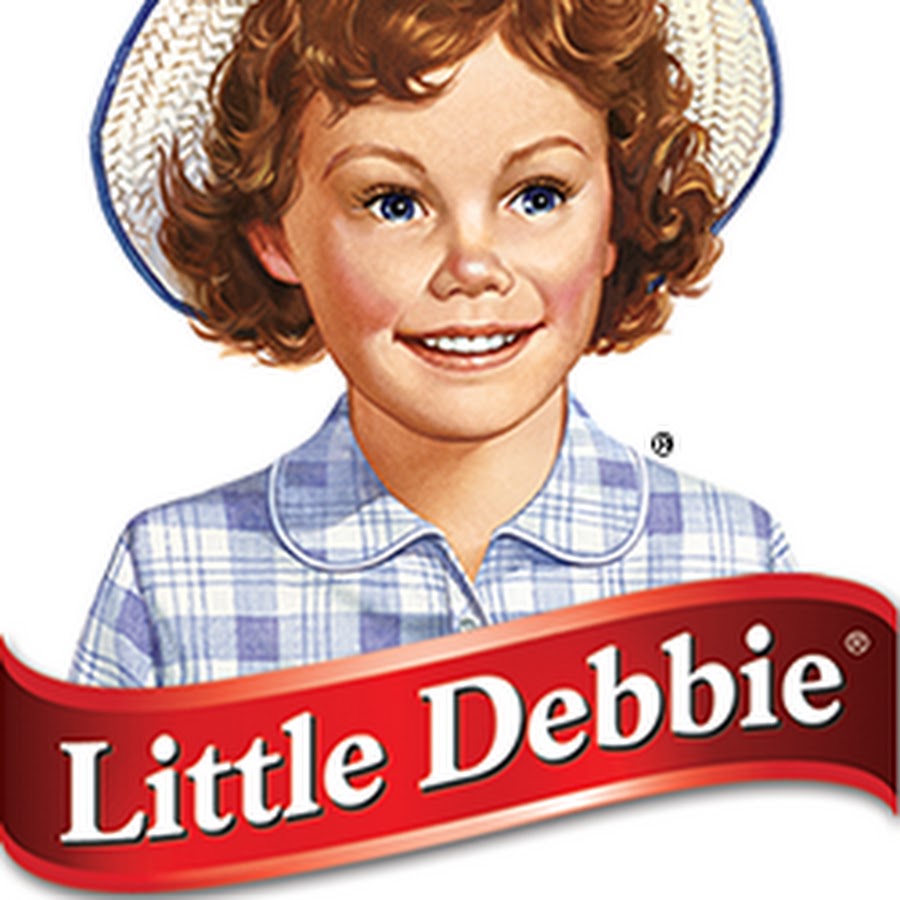
LORELAI: Hey Little Debbie, your dad is definitely gonna be there.
Debutantes are often called debs for short. Lorelai turns this into Debbie in reference to Little Debbie, a brand of cookie and cake snacks that has a little girl on the logo.
It’s a product line of McKee Foods, and the company founders, O.D. and Ruth McKee named it after their granddaughter, Debbie, in 1960, even using her image to promote the products. Debbie McKee-Fowler is now the Executive Vice-President of McKee Foods.
Boston is the capital of, and largest city in, the state of Massachusetts. It was founded by Puritan colonists in 1630. It has a population of more than 600 000 people, is one of the economically most dominant cities in the world, and is known for its diversity of neighbourhoods. It’s about two and a half hours drive from where Stars Hollow would be, so Christopher is significantly closer to them now. It’s also 15 minutes drive from Harvard University ….
Note that Christopher has moved to Boston without letting Lorelai and Rory know, or even giving them the landline number for his new apartment. It seems he hasn’t spoken to them since Lorelai’s bachelorette party, with the excuse that he was giving Lorelai space after she broke her engagement. Which might be reasonable, except he has a daughter, and there’s no excuse for not phoning her. Once again, Rory is an afterthought in Christopher’s relationship with Lorelai, rather than the focal point she should be.
Christopher quickly rattles off a few associations for Boston:
Boston baked beans
Baked beans sweetened with molasses and flavoured with salt pork or bacon. It’s been a speciality of Boston since colonial times, and baked beans with frankfurters is a favourite dish. Boston is sometimes known as Beantown.
Boston cream pie
A sponge cake with custard or cream filling, glazed with chocolate. It’s said to have been created in 1881 at the Parker House Hotel in Boston by a French chef. It’s the official dessert of Massachusetts.
Boston Tea Party
A political protest by the an organisation called the Sons of Liberty in Boston on December 16 1773. It was in protest of the Tea Act, which allowed the British East India Company to sell tea from China in American colonies without paying taxes apart from those imposed by British parliament. The Sons of Liberty strongly opposed the taxes as a violation of their rights, with the slogan “no taxation without representation”. Protesters destroyed an entire shipment of tea sent by the East India Company, boarding the ships and throwing chests of tea into Boston Harbor. The British government responded harshly, and the episode escalated into the American Revolution. The Tea Party became an iconic event of American history.
Boston Strangler
The name given to the murderer of thirteen women in Boston in the early 1960s; most were sexually assaulted and strangled in their apartments with no signs of forced entry. In 1967 a man named Albert DeSalvo confessed to being the Boston Strangler while serving life imprisonment for a series of rapes; he was found stabbed to death in prison in 1973. Although his confession revealed some details of the crimes unknown to the public, and DNA evidence has linked him with the Strangler’s final victim, doubts remain as to whether he committed all the Boston murders. George Nassar, the prison inmate DeSalvo reportedly confessed to, is the major suspect; he is currently serving life in prison for murder. Several films have been made about the case, most notably The Boston Strangler (1968), starring Tony Curtis.
Christopher’s glib associations for the city bring to mind the way Rory summed up Chicago to Dean as “Windy. Oprah”.
JESS: Potlucks and Tupperware parties aren’t really my thing.
A potluck is American English for a communal meal where everyone brings a dish of food to share. Commonly organised by churches and community groups, the food is rarely of gourmet quality (hence, you’re taking “pot luck” in what you’ll get to eat).
A Tupperware party is one organised to sell Tupperware, a line of plastic storage containers first developed by Earl Silas Tupper in 1946, and sold via multilevel marketing in the home. After being very popular in the 1970s, Tupperware suffered a slump in the mid-1990s, when it began to seem dated, so at this period was considered a rather middle-aged activity.
Quite rudely, Jess equates the lavish dinner Sookie carefully prepared to welcome him to Stars Hollow with community meals suitable for the dull and old-fashioned. This yet another meal prepared by Sookie which gets ruined, as Jess and Luke leave without eating, when the dinner was meant to be for them.
RORY: But the coffee is in there. And it’s Danish Day. Are you seriously telling me that you’re gonna let a stupid fight get in the way of Danish Day?
A Danish pastry, often just called a “Danish”, is a layered sweet puff pastry which was brought to Denmark by Austrian bakers, and developed into a Danish speciality. They were brought by Danish immigrants to the United States, and became popular after they featured at the 1915 wedding of President Woodrow Wilson. In the US, Danishes are often given a fruit or cream cheese filling.
In this episode, we learn that Lorelai and Rory have a Danish for breakfast every Wednesday morning, which is one of their traditions. Rory orders cherry Danishes, but it’s unclear whether that is their preferred flavour. I’m also not sure whether it’s significant that cherries are so rich in sexual symbolism!
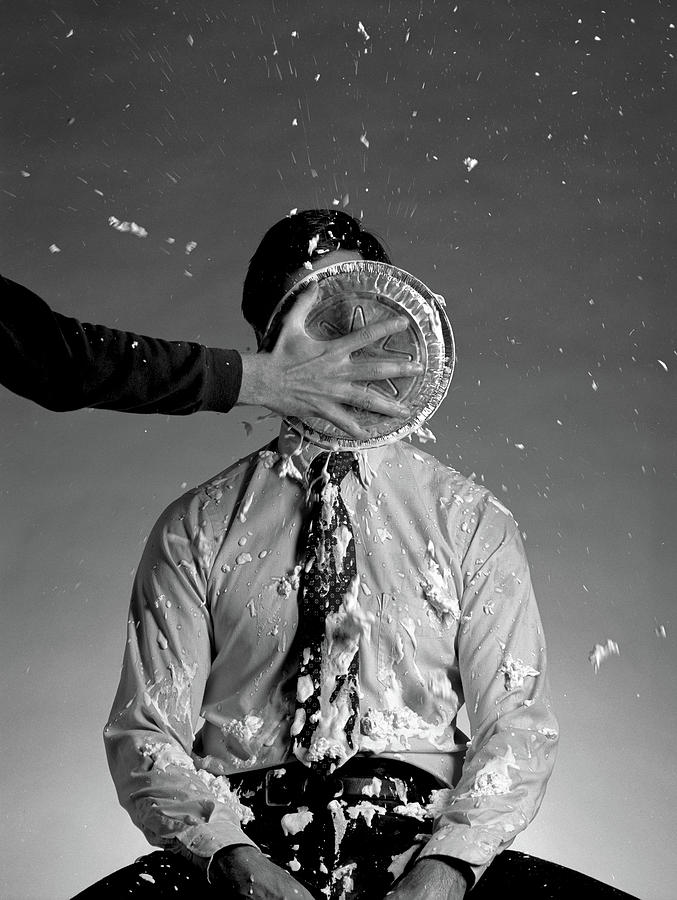
LORELAI: Ugh. There have been very few moments in my life where I have actually wished I had one of those enormous cream pies you can just smash in someone’s face, but this is definitely one of them.
Cream pie attacks and fights have been a staple of slapstick comedy since the days of the English music hall. English comedian Fred Karno (1866-1941) is credited with popularising the pie-in-the-face gag, and they were often used in films by his proteges, Charlie Chaplin, and Laurel and Hardy. A cream pie in the face is a staple of traditional clowning. The cream pies are, these days, usually canned whipped cream or shaving cream in an aluminium pie plate.
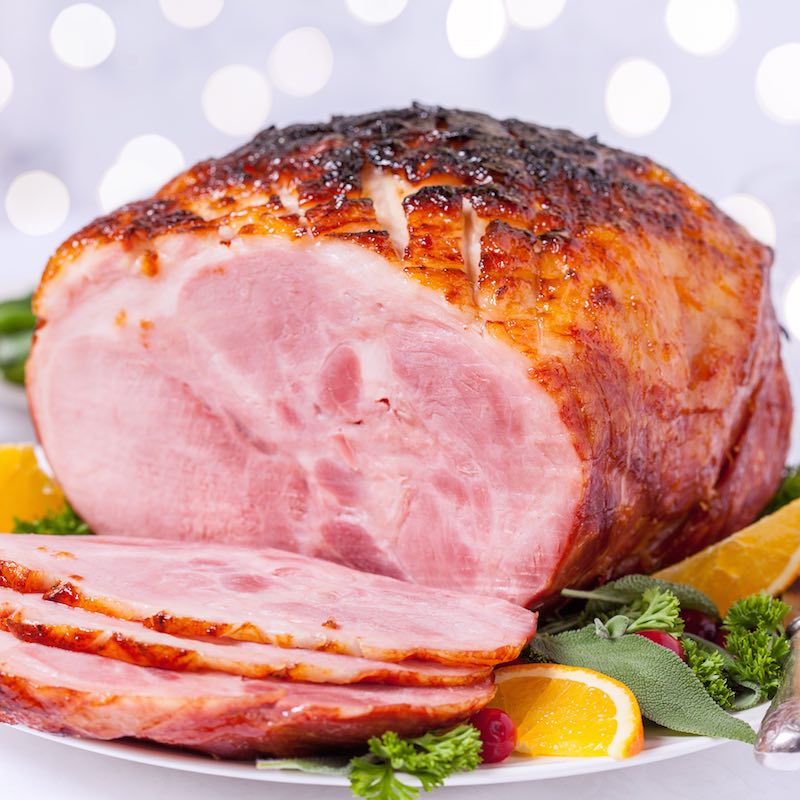
SOOKIE: You know ham was originally made out of rice?
It definitely wasn’t – ham is, and always was, made out of pig. It is hard to know how ham even could be made from rice.
As a professional chef, Sookie must surely know this. I’d like to think that Sookie is making a “look how dumb I am” joke, in protest at Lorelai and Jackson putting her intelligence down. If not, perhaps she’s taken it to heart that Jackson prefers his women dumb, and is trying to give him what he wants.
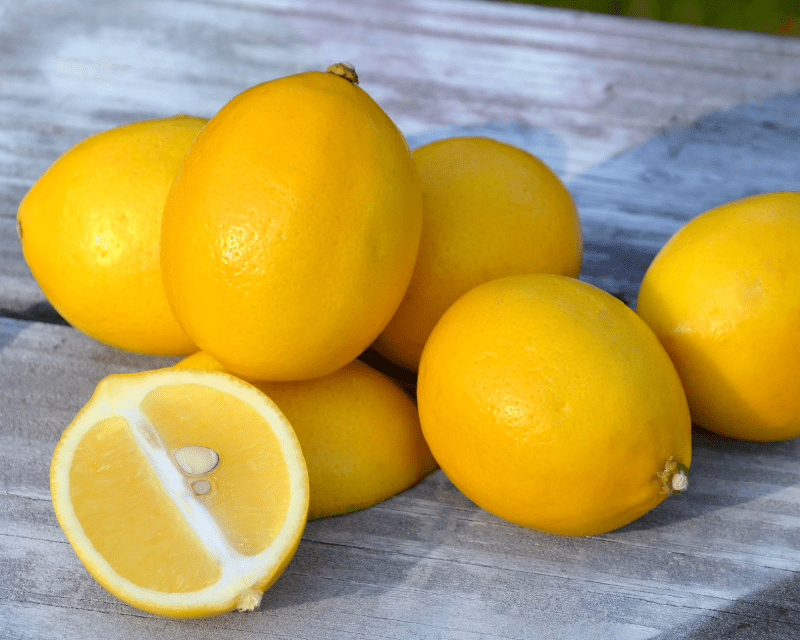
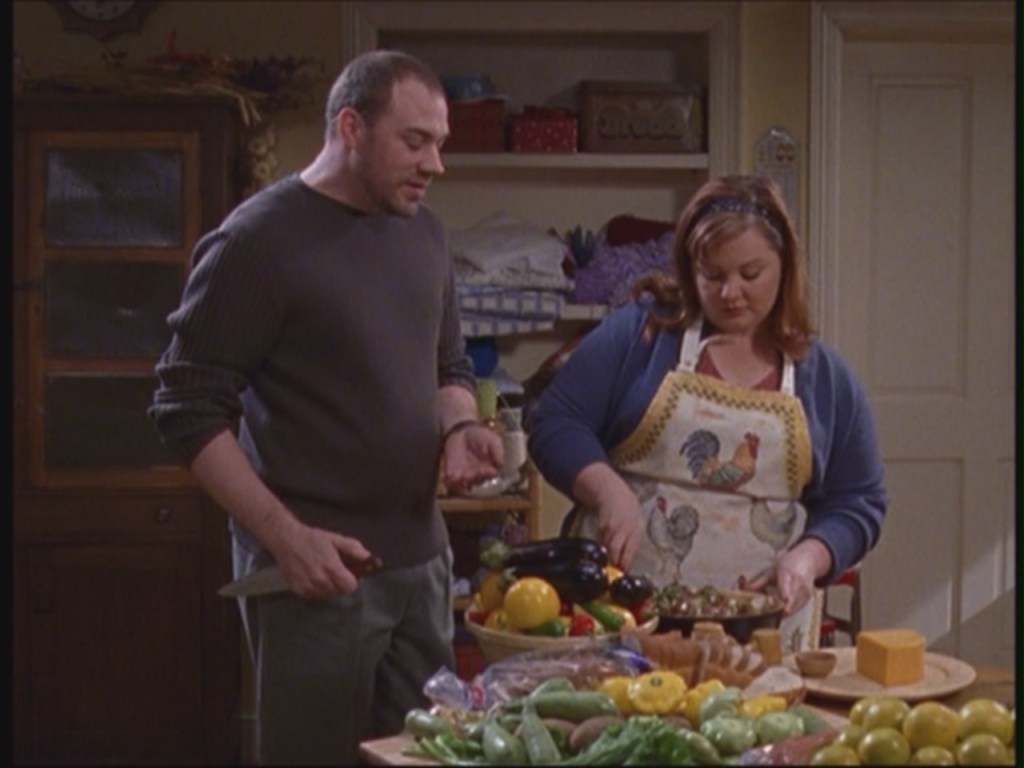
SOOKIE: That is a great lemon. JACKSON: Try it, it’s a Meyer.
A Meyer lemon is not a true lemon. It’s a cross between a citron and a mandarin/pomelo hybrid. Hardy and easy to grow, Meyer lemons have a sweeter flavour than lemons.
Native to China, it was introduced to the US in 1908 by agricultural explorer, Frank Meyer. It became popular as a food item in the 1970s as part of the rise in Californian Cuisine, and was later championed by Connecticut-based Martha Stewart.
Meyer lemons need a greenhouse in cooler climates like Connecticut, and generally have mature fruit in winter. Jackson already has one fruiting in early September, no doubt because it’s from a greenhouse.
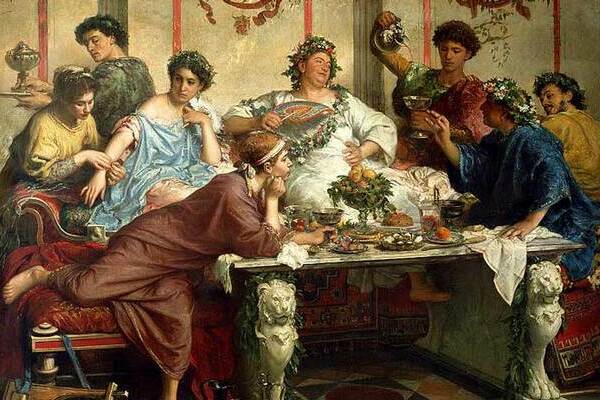
A little later, Lorelai says Sookie is about to break her own record for the most food cooked outside the Roman Empire. The Roman Empire also has a reputation for sustained and lavish eat-a-thons – their banquets could last ten hours, and multiple courses were the rule. Of course, this was only for the wealthy.
Lorelai seems to get straight into the historical feast spirit, by calling Rory “Milady”.




 The Annotated Gilmore Girls