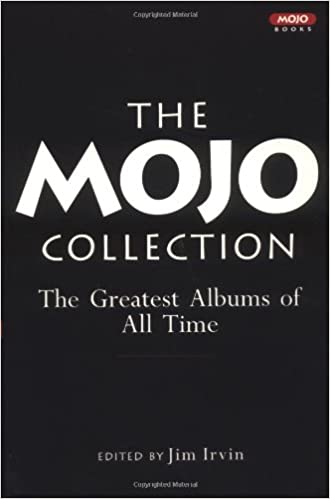
Lane is shown clutching a copy of The Mojo Collection: The Greatest Albums of All Time, edited by Jim Irvin. It contains a detailed list of six hundred albums.
The book was published in August 2001 – just a month previously, as an indication of how eagerly Lane rushed out to buy it. She is using it as a guide as to what records to buy next. You can see that Lane is doing her best to give herself a solid grounding in the history of popular music.
Mojo is a British music magazine, first published in 1993. It focuses on classic rock and is aimed at a mostly boomer readership, but has covered new and alternative acts as well. It was the first mainstream magazine in the UK to feature The White Stripes.
Lane asks Rory to buy some vinyl records for her while she’s in Hartford. No money seems to exchange hands, but perhaps there is an unspoken understanding that Lane will pay her back when she knows the exact cost.
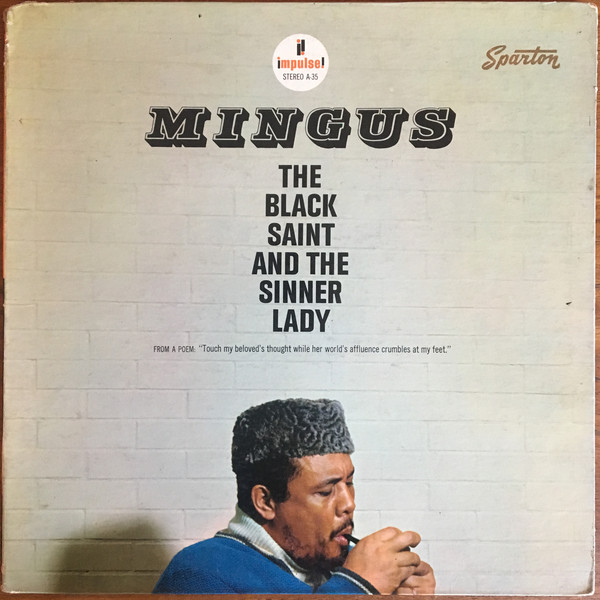
The Black Saint and the Sinner Lady
A 1963 album by American jazz legend Charles Mingus. It is a single continuous composition (partly written as a ballet), divided into four tracks and six movements. It is one of the most acclaimed jazz records of the 1960s, considered one of Mingus’ masterworks, and is consistently ranked as one of the greatest albums of all time.
!!!!Here Are The Sonics!!!!
The 1965 debut album of American garage band The Sonics. Highly influential on the development of punk music, it is considered an essential piece of Seattle rock and roll history. Rory is impressed enough to ask Lane to burn her a copy.
Kick Out the Jams
The 1969 debut album of American proto-punk band MC5. It was recorded live at Detroit’s Grande Ballroom over two nights at the end of October. It was controversial at the time for the line, “Kick out the jams, motherfuckers!”, and some stores refused to carry it. Nonetheless, it managed to reach #30 on the Billboard charts. Considered rather overbearing and pretentious by critics at the time, it is now held in very regard for its high energy live performance, and influence on rock music.
Liege & Lief
A 1969 album by British folk-rock band Fairport Convention. It was the first album they brought out where all the songs were freely adapted from traditional British and Celtic folk music, or original compositions done in a similar style. The title is two words from Middle English, meaning “loyal”, and “willing”. It reached #17 on the UK album charts, and is regarded as a major influence on the development of British folk-rock.
Odessa
A 1969 album by the Bee Gees. It was an ambitious project, intended as a concept album about the loss of a fictional ship in 1899. It created a lot of tension in the band about their musical direction, so that Robin Gibb temporarily left the band. It reached #10 in the UK album charts and #20 in the Billboard album chart, but was poorly-received by both the critics and the public, leading to a decline in the band’s fortunes, until they reinvented themselves as a disco band in the 1970s. (This may be why Rory is dubious about the album). Odessa has since been re-evaluated, and gained increasing critical acclaim.
The Unwritten Works of Geoffrey, Etc
The only album released by Whistler, Chaucer, Detroit, and Greenhill, in 1968. It was a psychedelic folk-rock album which defied categorisation, and the four names on the album were pseudonyms for David Bullock, Scott Fraser, Eddie Lively, Phil White, and John Carrick; it was produced by a young T-Bone Burnett. Recorded in the basement of a Fort Worth radio station, the record was released to widespread indifference. It wasn’t reissued until 2006 (complete with historical liner notes), so it’s little wonder Lane has not been able to locate a copy of this rare album.
LANE: Yeah, some of the food’s not so bad, and then my cousins were actually pretty interesting, and the best part, Korea is bootleg heaven. I totally scored in Seoul. Elvis Costello at the Marquee in 1978. A barely coherent Nico doing Doors songs in 1974, and even more barely coherent, Iggy Pop doing David Bowie songs naked in 1981.
I think the Elvis Costello reference contains a mistake, but whether by a jet-lagged Lane or the scriptwriter (Daniel Palladino) is unclear. Costello did not perform at The Marquee in London in 1978, and I’m pretty sure Lane means Live at the El Mocambo, a live album recorded in March 1978 from a live radio broadcast at the El Mocambo club in Toronto. It was heavily bootlegged, and only made legally available in 1993 as part of a box-set; the album was released as a mainstream issue in 2009.
The Nico album that Lane refers to is The End …, Nico’s fourth studio album which was released in 1974, her fifth collaboration with John Cale from The Velvet Underground. It was her first album since the death of her former lover Jim Morrison from The Doors, previously discussed, and one song You Forget to Answer, describes her misery when she was unable to get Morrison on the phone, only to learn later he had died. She also performs a cover of The Doors song The End. The album received some very positive reviews, but was commercially unsuccessful.
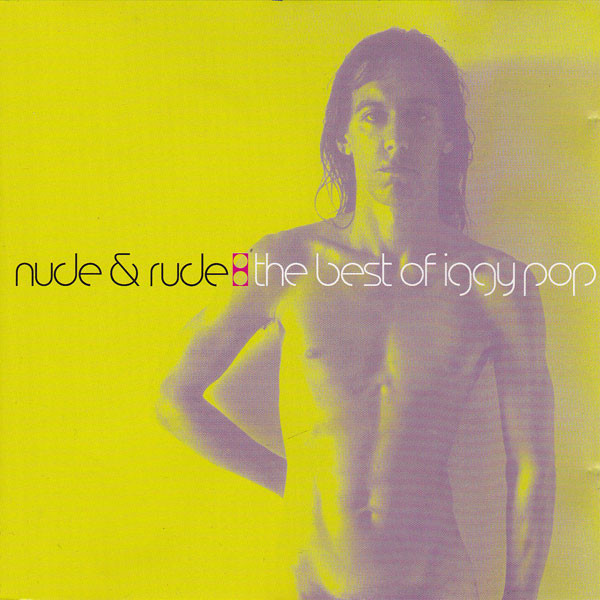
I think the Iggy Pop album Lane refers to is Nude & Rude, a 1996 compilation album. One of the songs on it is China Girl, written by David Bowie and Iggy Pop, and first appearing on Iggy Pop’s 1977 debut solo album The Idiot. It became far better known when David Bowie recorded it for his commercially successful album Let’s Dance in 1983, which went to #10 in the US and #2 in the UK. So Lane is only partially correct that he’s performing a David Bowie song – they both wrote it, and Iggy Pop recorded it first. She also may have taken the album’s title a little too literally.
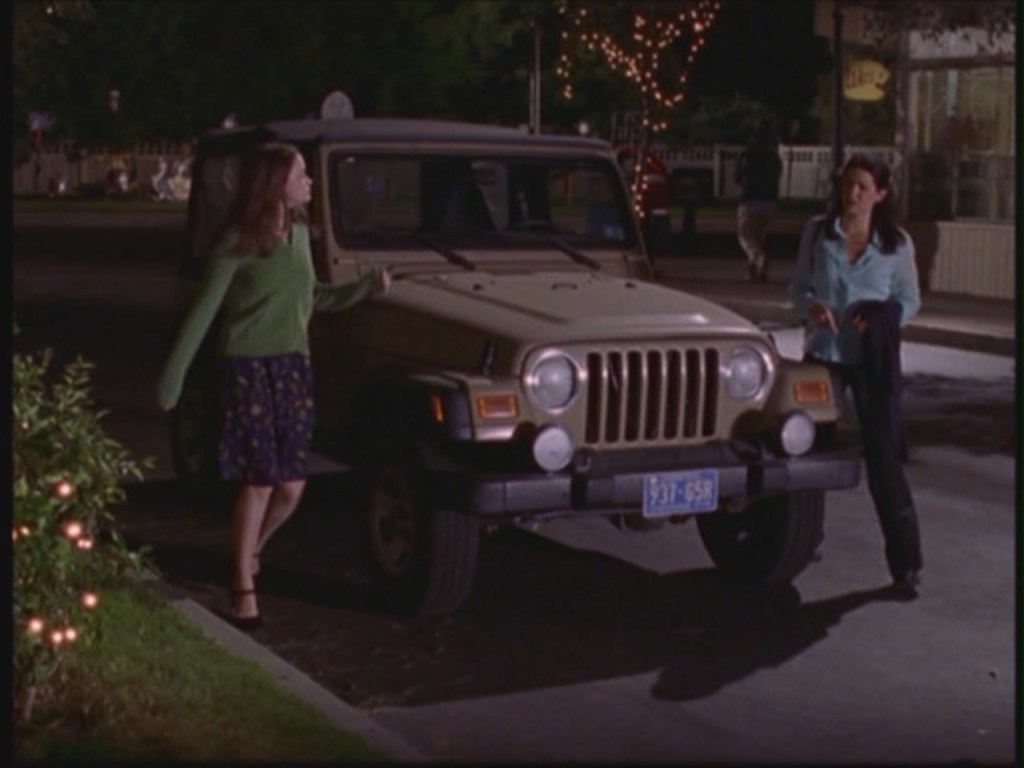
LORELAI: Hey, am I too far from the curb? RORY: Oh, you’re within five feet. LORELAI: Close enough for jazz.
Close enough for jazz is American slang meaning “near enough, good enough”. It comes from musician’s slang meaning that a particular tuning, for example, would be “good enough (to play) jazz”. It is of course an immensely annoying phrase for jazz musicians.
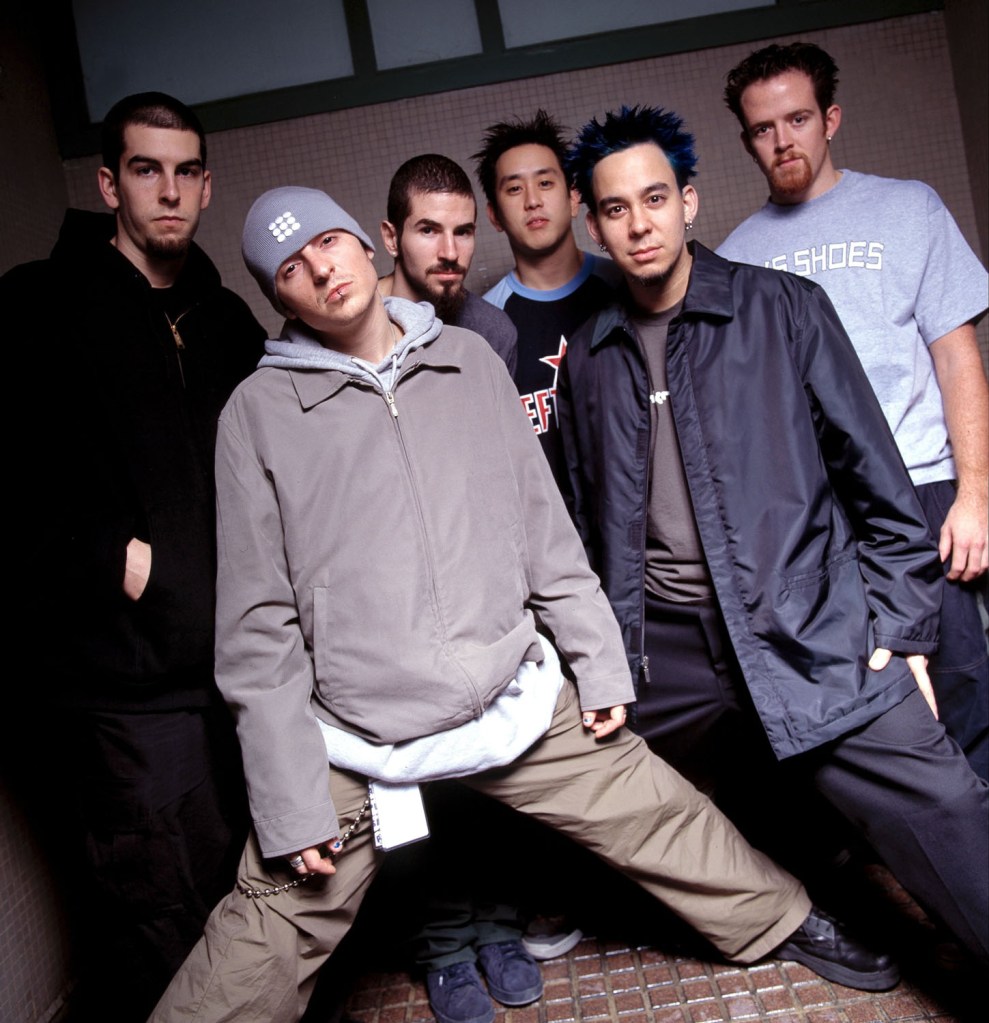
LORELAI: Someone [a college room mate] who likes Linkin Park? RORY: Then I have to drop out.
Linkin Park are an American rock band formed in 1996 by Mike Shinoda, Rob Bourdon, and Brad Delson. Their debut album was Hybrid Theory, released in 2000, which was a massive commercial success, and launched the band into mainstream popularity, with radio-friendly nu metal and rap metal tracks. Linkin Park are the best-selling band of the 21st century, have won two Grammy Awards, and are regarded as one of the best bands of the 2000s.
LORELAI (to two girls in the dormitories): Oh, cool. We’re just kinda hanging out between classes. We got Chef next. So, we’ll probably see you at the Phi Alpha Beta thing tomorrow, right? GIRL 1: Maybe. LORELAI: Yeah, I know, we’re not sure either. They can be so totally lame. Gag me. GIRL 1: Yeah. See ya. [Students leave] RORY: You do realize that all of your college kid jargon comes from Happy Days and the Valley Girl song?
Happy Days, previously mentioned, is an American sitcom that presented an idealised portrait of Midwestern life in the 1950s and ’60s. It starred Ron Howard as innocent teenager Richie Cunningham, and Henry Winkler as his friend Arthur “Fonzie” Fonzarelli, a cool biker and high-school dropout. Aired between 1974 and 1984, it became one of the biggest hits in television history, and was the #1 TV program in 1976-77. It turned Henry Winkler into a major star, and Fonzie into one of the most merchandised characters of the 1970s. It also spawned a number of spin-offs, including Joanie Loves Chachi, previously discussed. Happy Days is still on American television in reruns.
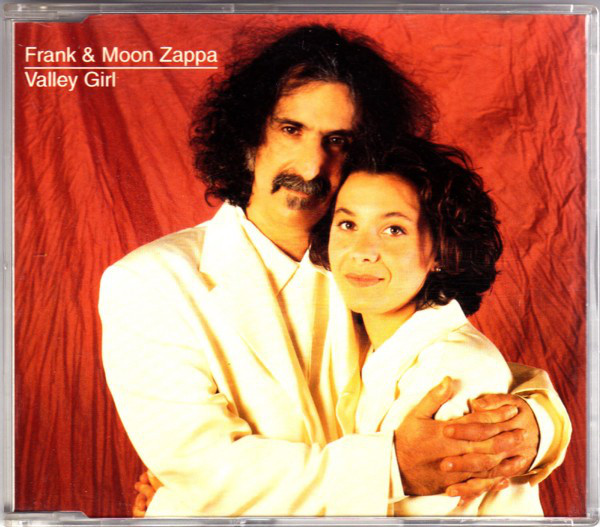
Valley Girl is a 1982 song by Frank Zappa and his daughter Moon Zappa, then aged 14. The song consists of Frank playing riffs on the guitar while Moon performs the lyrics in “Valspeak”, the slang and intonations of the teenage girls of the era from the San Fernando Valley. The song went to #32, and was Zappa’s only Top 40 single. Although intended as a savage parody, the song popularised the Valley Girl stereotype, and led to an increase in Valspeak. The fad directly inspired the 1983 Nicolas Cage movie Valley Girl.
Lorelai’s “They [frat parties] can be so totally lame. Gag me”, is pure Valspeak.
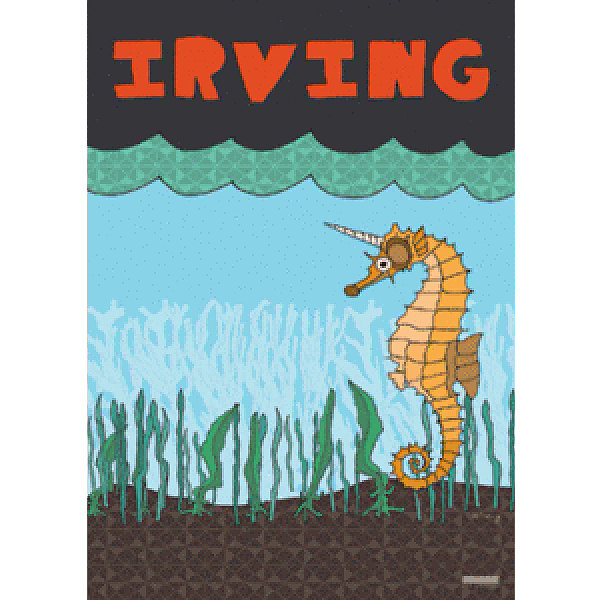
This song by indie band Irving plays during the time that Lorelai and Rory are in the dorms at Harvard. It was first released on their self-titled limited edition 7 inch in 2001, and later as a track on their 2002 debut album Good Morning Beautiful.
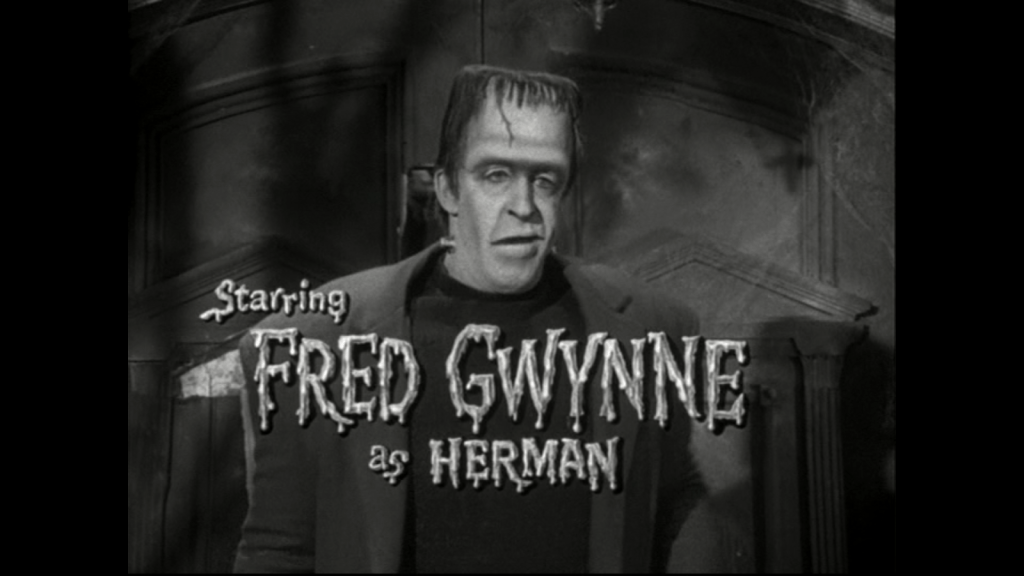
LORELAI: Past graduates. Henry James … isn’t that a beer? RORY: And a novelist. Go on. LORELAI: John Adams. That’s a beer! RORY: Our second president. He’s very in right now. LORELAI: W.E.B. Du Bois, Yo-Yo Ma. Oh cool! Fred Gwynne. RORY: Who? LORELAI: Herman Munster. Now I’m impressed.
Henry James (1943-1916), earlier mentioned, was an American-born British author, often considered one of the greatest novelists of all time. He is best known for his novels and stories depicting interactions between Americans, English people, and Continental Europeans, such The Portrait of a Lady, and The Ambassadors. Henry James’ style closely examines the psychology of his characters in an ambiguous or contradictory way. There is no beer named Henry James that I know of. Henry James attended Harvard Law School in 1862, but soon discovered he had no interest in law, and pursued a literary career instead, so he isn’t actually a graduate.
John Adams (1735-1826) was an American statesman and Founding Father of the United States who served as the Vice-President of the US, and as the second President of the US from 1797 to 1801. Adams tended to be a rather obscure president for many years, with many Americans knowing nothing about him, until the publication of his biography John Adams by popular American historian David McCullough in May 2001. It was very favourably received, and brought about a resurgence in Adams’ reputation. Rory seems to be referring to this book by saying Adams “is very in right now”, and has almost certainly read it. There is actually a beer named John Adams. John Adams entered Harvard in 1751, graduating in 1755 with a Bachelor of Arts degree.
William Edward Burghardt “W.E.B.” Du Bois (1868-1963) was an American sociologist, historian, civil rights activist, and writer. He was one of the founders of the National Association for the Advancement of Colored People in 1909, and was the leader of the Niagara Movement who worked for equal rights for blacks. A prolific author, Du Bois’ 1903 essay collection The Souls of Black Folk was a seminal work in African-American literature, and his 1935 Black Reconstruction inAmerica was his greatest work. The Civil Rights Act, embodying many of the reforms for which Du Bois had campaigned, was enacted the year after his death. W.E.B. Du Bois attended Harvard from 1888 to 1890, where he received his second bachelor’s degree, graduating cum laude.
Yo-Yo Ma (born 1955) is a French-born American cellist. A child prodigy, he has performed as a soloist with orchestras around the world, recorded more than 90 albums, and received 18 Grammy Awards. He has received several prestigious awards, including the Presidential Medal of Freedom in 2011. Yo-Yo Ma received his bachelor’s degree from Harvard in 1976, and in 1991 Harvard awarded him an honorary doctorate.
Frederick “Fred” Gwynne (1926-1993) was an American actor, singer, artist, and author, best-known for his roles in 1960s sitcoms such as The Munsters, where he played Herman Munster, who resembled Frankenstein’s monster. He also sang professionally, painted, and was a successful children’s author. Fred Gwynne graduated from Harvard in 1951, and was highly involved in Harvard life, including as a member of the Hasty Pudding Theatricals.
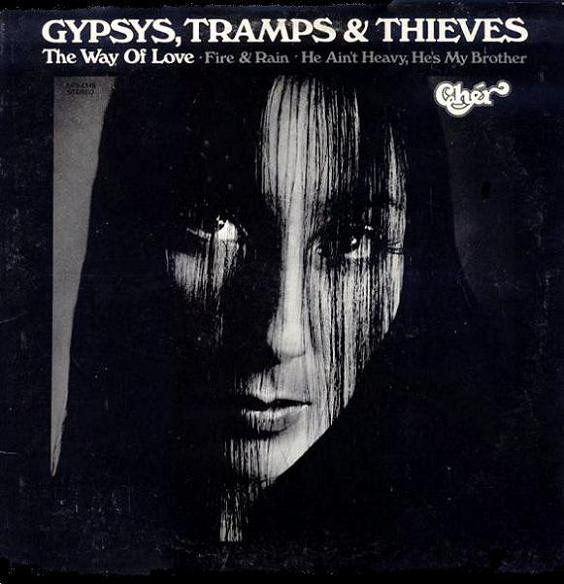
LORELAI: Rory, stop it! We are not gonna have this fight in a flowery bedroom with dentists singing Gypsys, Tramps & Thieves in the background.
Gypsys, Tramps & Thieves [sic] is a 1971 song written by Bob Stone, and performed by pop singer Cher, from her self-titled seventh album. It went to #1 in the US and Canada, becoming Cher’s first #1 single as a solo artist. It gave her a comeback after four years out of the Top Ten, and was her best-selling single to that point. So successful was the song that the album was renamed Gypsys, Tramps & Thieves [sic] after the song, and re-released.
The song is about a multi-generational family in a “travelling show” – the “gypsies, tramps and thieves” of the title, which are the insults hurled at them by the public. Like Highway to Hell, this is another song about life on the road, in line with the episode’s main event of a road trip.
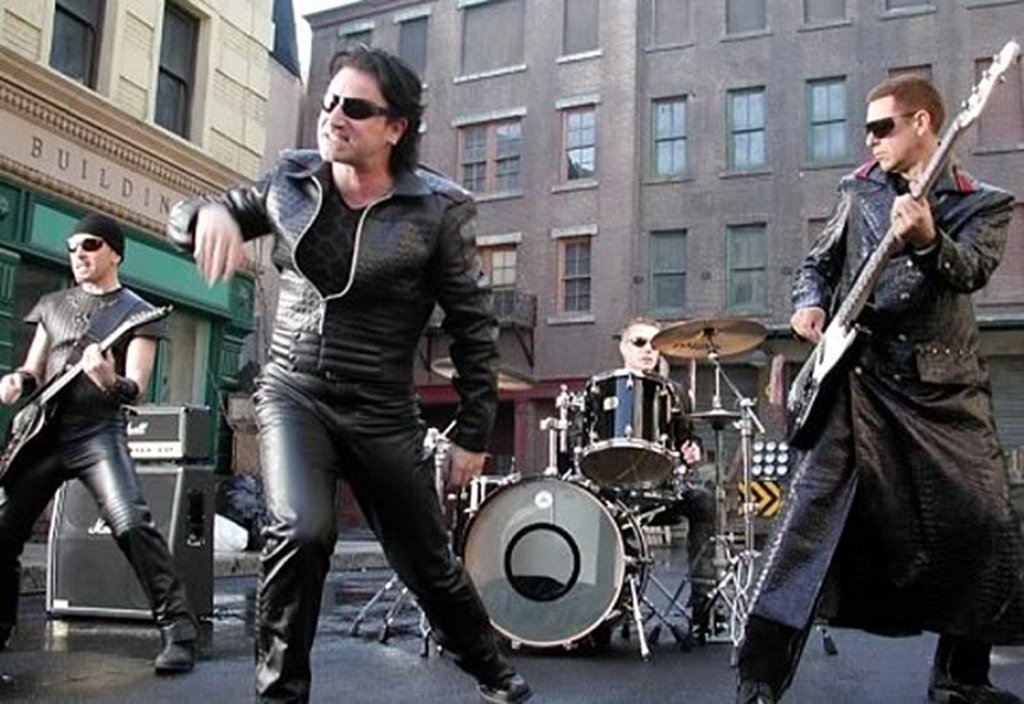
LORELAI: I have earned the right not to be quizzed about my social life by my sixteen-year-old daughter. RORY: I thought I was your best friend! LORELAI: When we’re at a U2 concert, you are my best friend. But right now you are my sixteen-year-old daughter and I am telling you I do not want to have this conversation.
U2 are an Irish rock band, earlier mentioned. It was formed in 1976 and consists of Bono (Paul Hewson), The Edge (David Evans), Adam Clayton, and Larry Mullen Jr. Their debut album was Boy (1980), and their first #1 album in the UK was War (1983), with singles such as Sunday, Bloody Sunday and Pride (In the Name of Love) establishing their reputation as politically conscious. By the mid-1980s they were globally renowned as a live act, and their 1987 album The Joshua Tree made them international superstars; it remains their greatest commercial and critical success. Their most recent album from Lorelai’s viewpoint is All That You Can’t Leave Behind, released in 2000. One of the world’s best-selling musical acts, U2 have won 22 Grammy Awards, more than any other band, and were inducted into the Rock and Roll Hall of Fame in 2005. They are famous for their campaigns for human rights and social justice.
This establishes Lorelai as a U2 fan. U2 gave a concert in Hartford as part of their Elevation tour on June 3 2001, although in the Gilmore Girls universe it seems to have taken place around mid-May – this was the concert that Tristan offered to take Rory to on a date (with PJ Harvey as the support act). It doesn’t seem plausible that Lorelai and Rory attended the concert, although it is just possible, particularly if they went to the real-life concert rather than the fictional one in the show.
U2’s previous concert in Hartford was as part of their Zoo TV tour, and it took place on March 12 1992 – this is the only other U2 concert that Lorelai could have taken Rory to. Unfortunately, the concert would have been when Rory was eight years old, and later Lorelai says that Rory thought she “discovered” U2 when she was ten; Rory could hardly believe that after attending an elaborately staged concert by the band two years before. It is possible that Lorelai is referring to a purely hypothetical U2 concert.
Lorelai lets Rory know that the idea of them being “best friends” is something of a fiction, being entirely at Lorelai’s convenience. As long as Rory is doing exactly as Lorelai wants, they are best friends; once she deviates from that, they are back to being mother and daughter.
 The Annotated Gilmore Girls