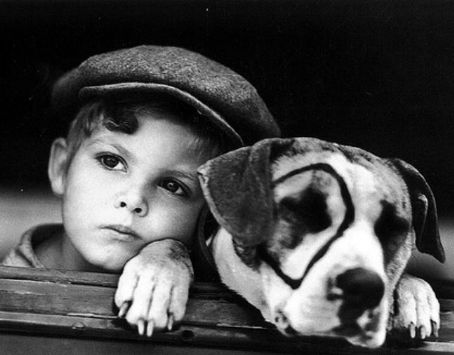
Pete the Pup, the dog in the Our Gang comedies, later known as The Little Rascals, previously discussed. The character was otherwise known as Pete the dog, or Petey.
The original dog who played Pete was Pal the Wonder Dog (1924-1930), an American Pit Bull Terrier with a natural ring almost around his eye, finished off with dye. The second Pete was the same breed named Lucenay’s Peter (1929-1946). He didn’t have a ring around his eye, so it was added in using Max Factor make-up.
JESS: What if Dean had sucker-punched me and I had to defend myself? You’re not even considering the possibility that that’s what happened? RORY: Dean wouldn’t do that. JESS: Oh, no, he might get his big white Stetson dirty.
Stetson, a brand of hat symbolic of the pioneering West, made by the John B. Stetson Company, which was founded in Philadelphia in 1865. They quickly became associated with legends of the old West who wore Stetsons, such as Buffalo Bill, Calamity Jane, Will Rogers, and Annie Oakley.
Later, cowboys in Western movies were invariably shown wearing Stetson hats – in film symbology, the “good guys” are often thought of as wearing white Stetsons, and the “bad guys” black ones. In actual fact, it isn’t as clear cut as people seem to remember this trope, but film and TV cowboys such as Tom Mix and the Lone Ranger must have helped cement the idea of the good guy wearing a white hat.
RORY: Your stretchy jeans and your BunnyRanch T-shirt.
The Moonlite BunnyRanch is a legal, licensed brothel in Mound House, Nevada, near Carson City. First opened in 1955, it has had many celebrity clients, and featured in two TV specials in 2002 and 2003.
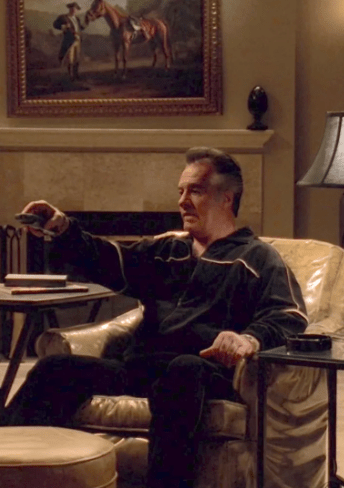
RORY: What’s he wearing, a jogging suit? LORELAI: Yeah, and then after, he and Paulie are hitting The Bada Bing.
A reference to the TV show The Sopranos, previously discussed as one of Lorelai’s favourites. Peter Paul “Paulie Walnuts” Gualtieri is one of Tony Soprano’s henchman, and The Bada Bing is a strip club and key location in the show. Paulie was very fond of wearing jogging suits, in particular, a black velvet one.
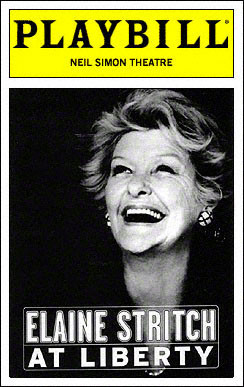
MISS PATTY: It’s part stories, part songs. Kind of like what Elaine Stritch did on Broadway, but without the bitterness. My working title – Buckle Up, I’m Patty.
Elaine Stritch (1925-2014), actress, known for her work on Broadway and later, television. She made her professional stage debut in 1944 and appeared in numerous stage plays, musicals, feature films and television series. Stritch was inducted into the American Theater Hall of Fame in 1995.
Patty refers to her autobiographical one-woman show, Elaine Stritch at Liberty, composed of anecdotes from Stritch’s life, as well as showtunes and Broadway standards that mirror Stritch’s rise and fall both on and off the stage. It ran on Broadway from November 2001 to May 2002, after which Stritch continued to perform it at regional and international venues.
The Broadway production was recognised with the 2002 Tony Award for Best Special Theatrical Event and the 2002 Drama Desk Award for Outstanding Book of a Musical. A recording of the show was released in 2002, and a TV documentary of the show was later broadcast, in 2004.
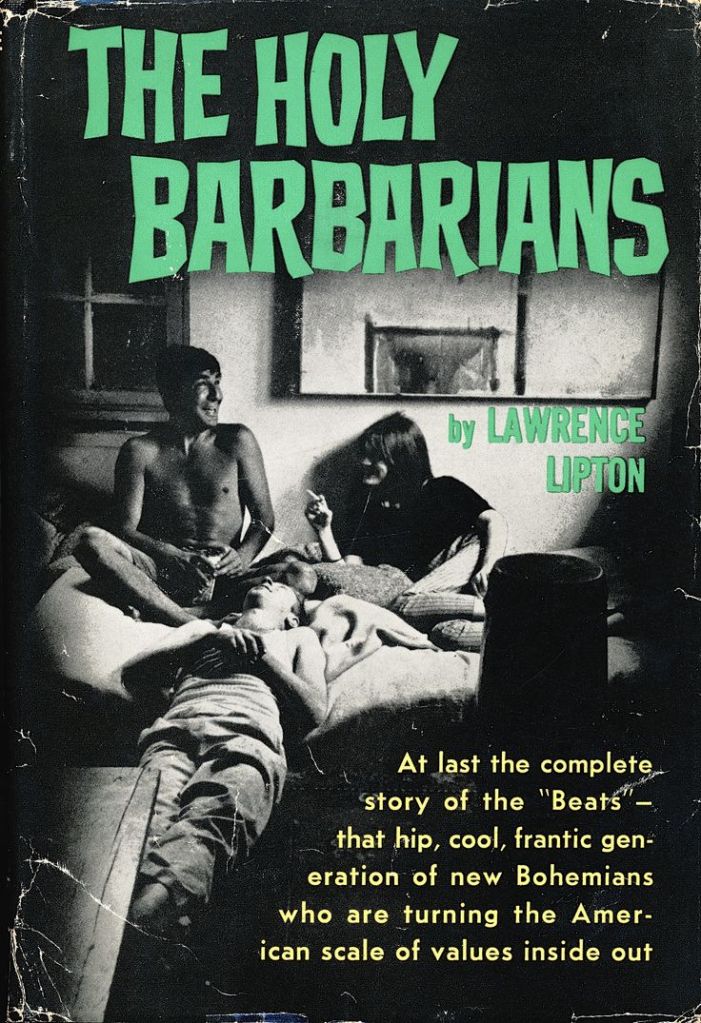
RORY: The Holy Barbarians. I mean, what a title. And it’s by a Venice Beach beatnik about Venice Beach beatniks, and to top it off, the beatnik who wrote it is the father of the guy that does those Actor’s Studio interviews on TV.
The Holy Barbarians, a 1959 non-fiction book about the “Beat Generation” subculture by poet, critic, and jazz teacher Lawrence Lipton. The book is an insider’s look at the beatniks, and an interesting piece of social history. He is the father of James Lipton, the host of Inside the Actor’s Studio, previously discussed.
We can see in this scene how Rory and Jess are still enjoying sharing and discussing books together, and that Rory is having a lot more success getting Jess interested in the books she is reading than she had with Dean.
LORELAI: Yeah, they’re mean. RORY: Except for Don Rickles. LORELAI: Totally except for Rickles.
Donald “Don” Rickles (1926-2017), stand-up comedian and actor. He became known primarily for his insult comedy. He was a regular roaster on The Dean Martin Celebrity Roast, and was the host of the final special, when Dean Martin himself got roasted.
LORELAI: It’s like a Dean Martin Roast. RORY: Those are never funny to me. LORELAI: Yeah, they’re mean.
The Dean Martin Celebrity Roast is a series of television specials hosted by entertainer Dean Martin, airing from 1974 to 1984. For a series of 54 specials and shows, Martin and his friends would “roast” a celebrity. Roasting means to joke about and insult a celebrity, while also honouring them. The roasts were patterned after the roasts held at the New York Friars’ Club.
The specials were released on DVD, which is presumably how Rory was able to watch them. I find it unbelievable they would buy DVDs they didn’t find funny, or that they dislike “mean jokes” – Lorelai and Rory are both pretty cruel when it comes to humour. I can only think this is a little act they are putting on for Emily.
This is the TV show Lorelai is watching when labour pains begin, previously discussed, and shown in the background. Lorelai said, possibly in jest, that she seriously thought about the name Quincy for Rory because of it. If so, it means Lorelai considered the names Susanna and Quincy before settling on Lorelai “Rory” for her daughter.
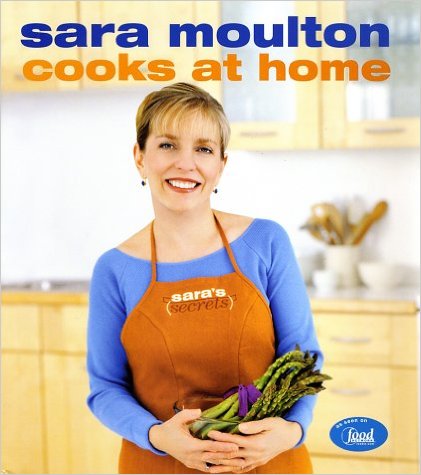
EMILY: Lelaini made a roast before she left and I heated it up … I even added a little wine to the pan to keep it from drying out. LORELAI: Well, who died and made you Sara Moulton?
Sara Moulton (born 1952), cookbook author and TV chef. She began working with Julia Child on TV in 1979, went on to a regular position with Good Morning America until 1997, and hosted Cooking Live until 2002, after which she began her new show, Sara’s Secrets. Her first cookbook had come out the previous year in 2002, Sara Moulton Cooks at Home. She continues to be a popular author and TV host.




 The Annotated Gilmore Girls