Crinite

TAYLOR: But I’ve got turnips – good ones, too. They’re not as big as that crinite freak’s turnips, but who needs bloated turnips?

Crinite is a technical term meaning “covered in tufts of hair”!

(Rory is out of her school uniform, so it seems to be the weekend now, unless she’s just given up going to school? I guess the previous day was Friday then, unless Lorelai and Rory have now been working multiple days at the diner. Ugh, I have no idea how time works in this episode!).

Crank

RORY: Where should the poached eggs go?

LUKE: Crank in the hat.

Crank is a term to refer to someone with an unshakeable belief in something that most of their contemporaries believe to be false. The term was popularised in 1872, being applied to Horace Greeley in his campaign for the US presidency. He believed in the settlement of the Old West and a magnanimous Reconstruction of the American South, and was a proponent of socialism, vegetarianism, agrarianism, feminism, and temperance. Cranks today can take comfort in the fact that all Greeley’s cranky ideas were proven very sensible, and are mainstream today.

In North American, a crank can also be slang for a bad-tempered person. I’m not sure which one Luke was applying to Cy, the “crank in a hat”, but Cy seems to believe it’s the second one, because he makes a spirited defence by saying that Luke is the crank – he’s well known around town for being grumpy.

“Spastic polka”

LORELAI: I know, life with my mother, one step forward, five thousand steps back. It’s kinda like the spastic polka.

Spastic is an outdated term to describe people with cerebral palsy, a disorder often characterised by poor co-ordination, weak or stiff muscles, and tremors.

In America, using the words “spastic” or “spaz” to humorously describe awkwardness, clumsiness, hyperactivity, or nerdiness is not considered as shockingly offensive as it in other parts of the world. Lorelai’s comment here would be unacceptable in Britain, for example.

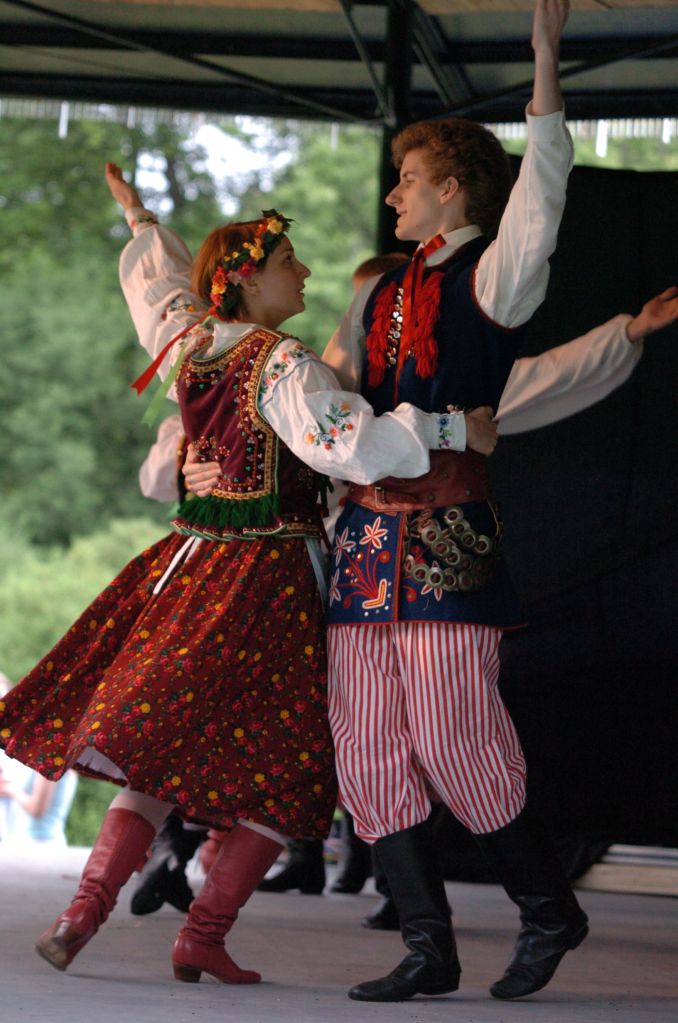
Polka [pictured] is a Czech folk dance which was all the rage in the mid-19th century – so much so that the phenomenon was called “polkamania”. Polka made a comeback after World War II, when many Polish refugees moved to the US. Lorelai and Rory own at least one CD of polka music.

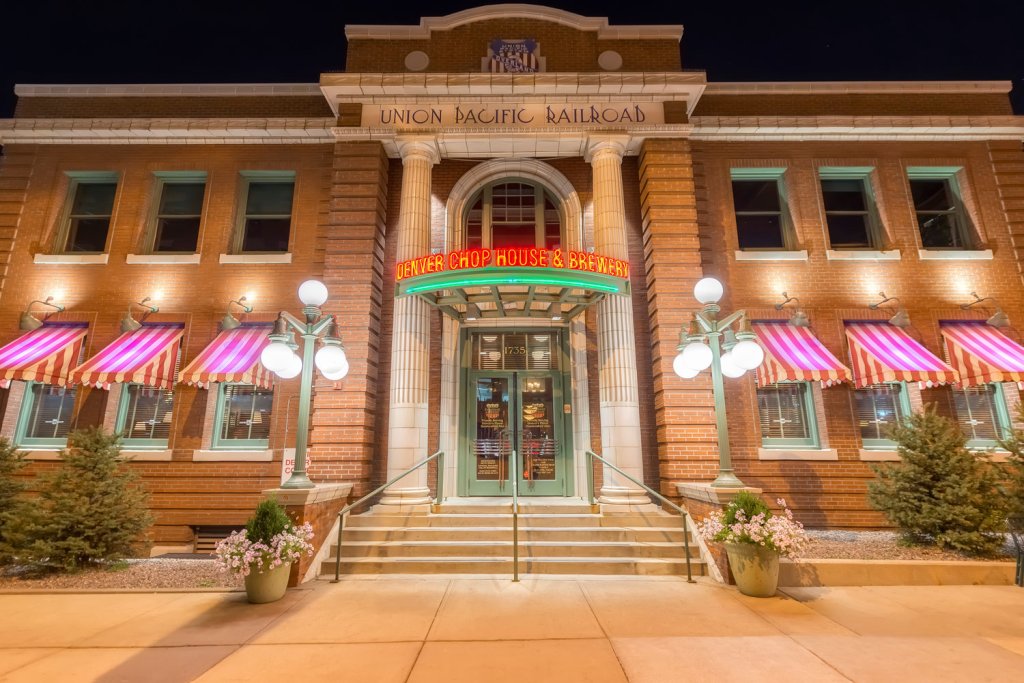
Chophouse

EMILY: I don’t know why I let you take me to this chophouse in the first place. I don’t go to chophouses.

Chophouse is a word for an inexpensive steakhouse, now so dated that it is considered a historical term more than anything else, although it’s been chosen as part of the name for several grills and steakhouses. The word has been used since at least the 18th century. There is an implication that a “chophouse” is of lower quality, but Emily thought her steak was the best she’d ever had, and the restaurant Lorelai chose doesn’t look super cheap.

Shrimp Cocktail

LORELAI: Ah, I just love the idea of shrimp cocktail with a steak dinner, you know?

Shrimp cocktail is the American term for prawn cocktail, a dish consisting of shelled, cooked prawns in a cocktail sauce, served in a glass. In the US, a cocktail sauce is made with ketchup and horseradish, sometimes with chilli sauce, slightly different to the Commonwealth version of mayonnaise and tomato sauce with Worcestershire sauce and lemon juice. Shrimp cocktail was very fashionable from the 1960s to the 1980s, and is now seen as a bit kitschy. Shrimp cocktail with a steak dinner remains a classic.

Drywall

LUKE: The ceiling’s falling in. I’ve got customers eating drywall here.

Drywall is a North American term for the building material which is elsewhere known as plasterboard, gyprock, or gypsum board – panels made from gypsum sandwiched between paper, used in the construction of interior walls and ceilings. The plaster is mixed with fibres and various additives that reduce mildew, flammability, and water absorption.

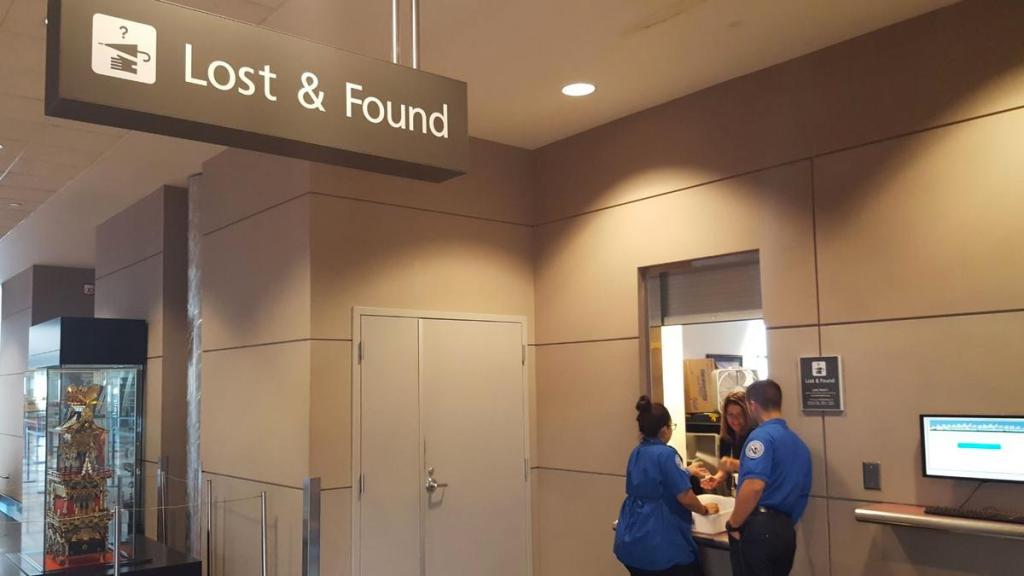
Lost and Found

In US parlance, a lost and found is a lost property office, where people who find lost items can hand them in, in the hopes that the owner may look for it there. Usually found at airports, train stations, amusement parks etc. The lost and found system dates back to medieval Japan, but the first modern lost and found office was organised in Paris in 1805, under Napoleon.

This episode revolves around some lost property which has been found, and will be handed in for the owner to retrieve it.

Sparklers, Kicks

LUKE: You don’t seem your chipper self.
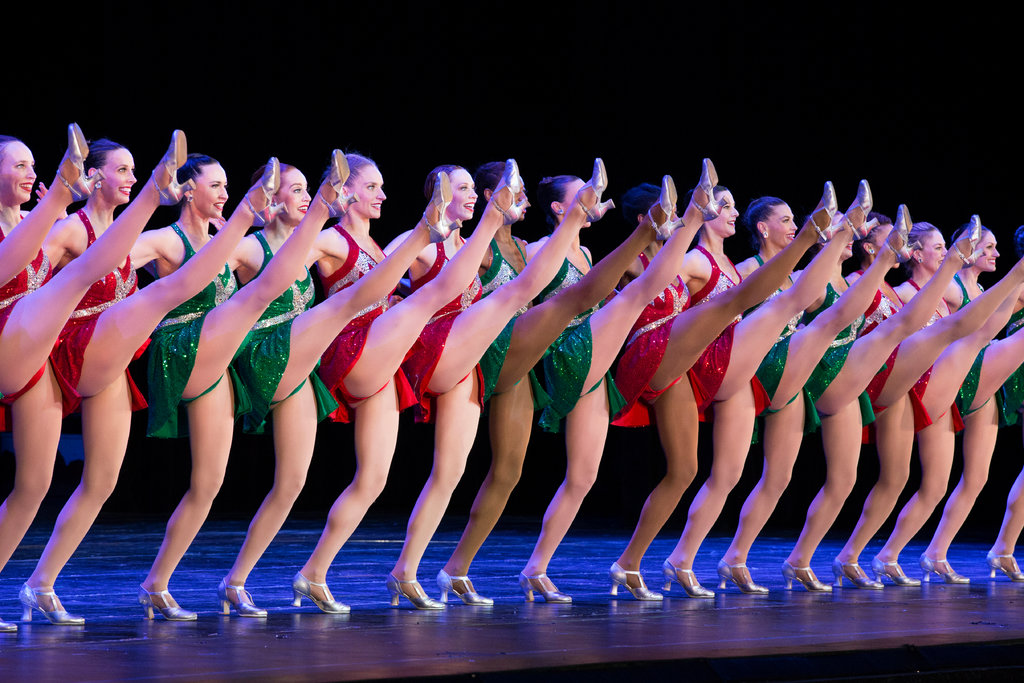
LORELAI: I brought some sparklers. I’ll light them later and do some kicks.

Sparklers are small hand-held fireworks that give off bright coloured flames and sparks. They are especially popular with children, and are responsible for 16% of firework injuries in the US, and 57% of firework injuries in children.

Lorelai saying she’ll be doing some kicks while she holds sparklers sounds like a reference to The Rockettes, a precision dance company founded in 1925, and since 1932, based at Radio City Music Hall in New York City. They are famous for their high kicks, and especially known for both their Christmas show, and annual performance at the Macy’s Thanksgiving Day Parade.

Luke immediately picks up on Lorelai’s low mood, and tries to cheer up by offering to play bagel hockey with her. He might act grumpy, but Luke doesn’t like seeing Lorelai unhappy, and his response is to try to return her to her normal chirpy disposition.

Teepee

CHRISTOPHER: Well, it’s actually gonna come down to whatever we can afford. It might just be a newly built place.
EMILY: With their shoddy craftsmanship? Oh, you don’t want that.
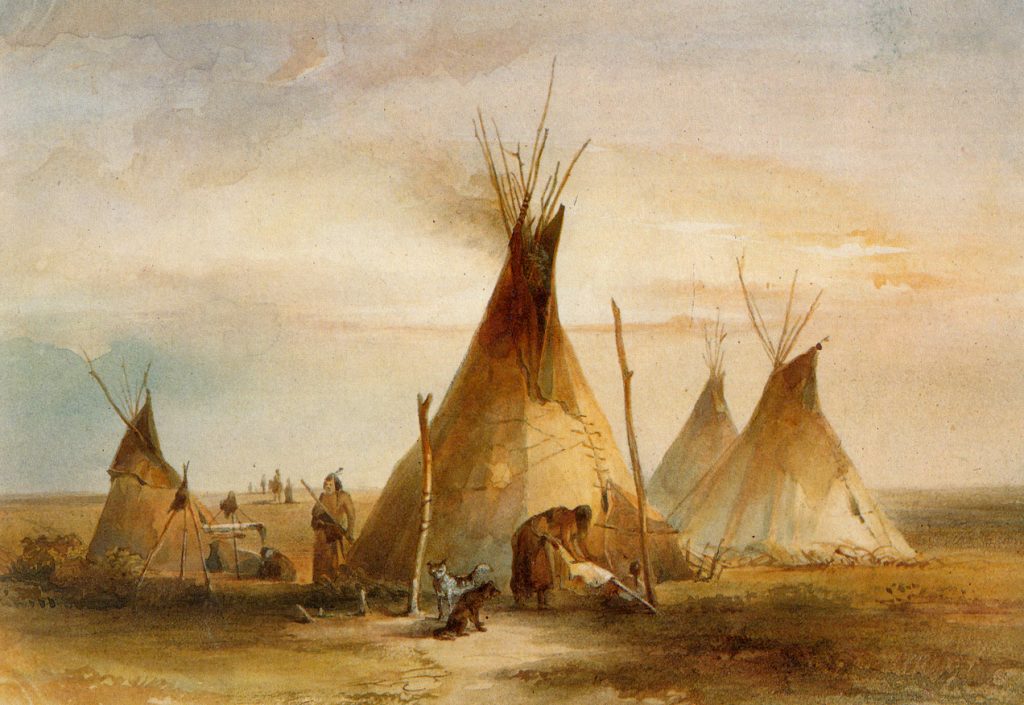
LORELAI: What does that leave them with, Mom – a teepee?

Spelled either tepee, teepee, or tipi. A conical tent, traditionally made from animal skins on wooden poles, with a smoke flap at the top. Historically used by some indigenous peoples of the Great Plains and Canadian Prairies of North America, as well as by some tribes in the Pacific North West. The word itself is from the Lakota language, and means “dwelling”. They are still used by such communities, although more often for ceremonial purposes.

In English, the word teepee was often translated as “lodge”. This is a reminder of the Black Lodge and White Lodge from Twin Peaks, set in the Pacific North West, giving yet another connection to the television show in this episode.

“Hooch is hooch”

RICHARD: Uh, you wanna narrow that [drink order] down for me?
LORELAI: Hooch is hooch, Dad.

Hooch is old-fashioned American slang for hard liquor, which became common during the 1920s and the Prohibition era. It originated in the 19th century, and comes from the Hoochino Indians of Alaska. One small tribe, who called themselves the Hutsnuwu, had a reputation of brewing their own illicit alcohol which was extremely potent (presumably the information on making spirits was taught to them by Europeans, but nobody knows for sure).