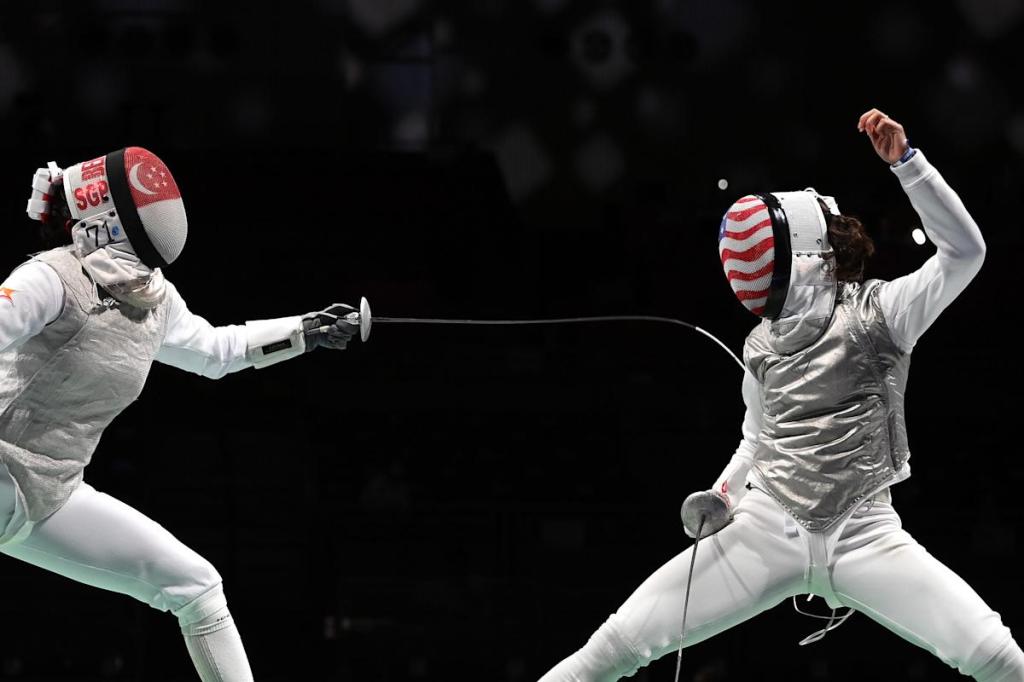
Fencing Terms

Beginning salute: A blade action performed before a bout or lesson. Indicates respect and good sportsmanship.

En garde: Spoken at outset to alert fencers to take defensive positions. Full commencing phrase is En garde! Prêts? Allez! (‘On guard! Ready? Go!’ For two female fencers, prêts becomes prêtes.)

Advance: The ‘advance’ is the basic forward movement. The front foot moves first, beginning by lifting the toes. The leg is straightened at the knee, pushing the heel out in front. Land on the heel, and then bring the back foot up to en garde stance.

Retreat: The basic backwards movement. Rear foot reaches backwards and is firmly planted, then front leg pushes body weight backwards smoothly into en garde stance.

Lunge: The most basic and common attacking movement in modern fencing. From en garde, push the front heel out by extending the front leg from the knee. Do not bend the front ankle, or lift up on the ball of the front foot. This means that the front foot must move forward prior to the body weight shifting forward. As the front leg extends, energetically push erect body forward with the rear leg. Rear arm extends during forward motion as a counterbalance. Land on the front heel and glide down into final position, with front shin perpendicular to the ground, and both heels on the floor. During this action, the torso should remain relatively erect, and not be thrown forward. Often, the back foot can be pulled along behind during an energetic lunge. It is important, and a fundamental characteristic of the lunge, to fully extend the back leg, obtaining full power from this spring-like extension.

Parry: A simple defensive action designed to deflect an attack, performed with the forte of the blade. A parry is usually only wide enough to allow the attacker’s blade to just miss; any additional motion is wasteful. A well-executed parry should take the foible of the attacker’s blade with the forte and/or guard of the defender’s. This provides the greatest control over the opponent’s blade.

Quarte: Parry #4; blade up and to the inside, wrist supinated. The point is higher than the hand.

Sixte: Parry #6; blade up and to the outside, wrist supinated. The point is higher than the hand.

Riposte: An attack made immediately after a parry of the opponent’s attack.

Counter-riposte: A second, third, or further riposte in a fencing encounter. A counter-riposte is the offensive action following the parry of any riposte.

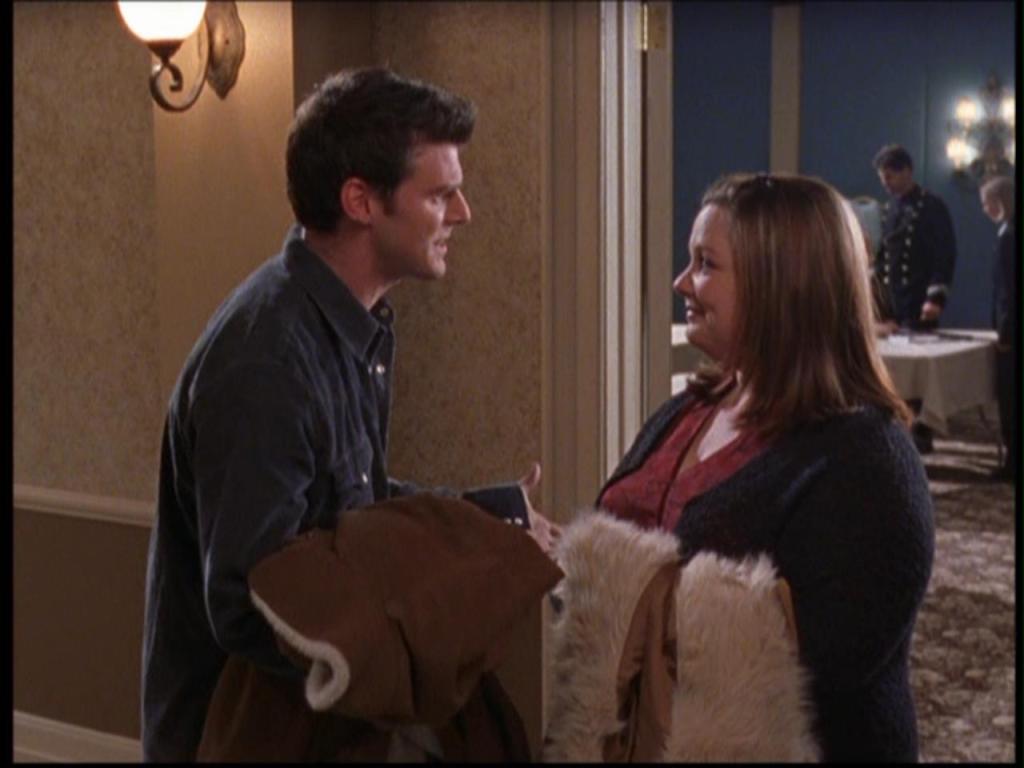
“Brain trust behind PE”

LOUISE: You’d think the brain trust behind P.E. could come up with some sport that didn’t give you helmet hair all afternoon.

A brain trust is a group of experts appointed to advise a government, leader, or organisation. The concept comes from President F.D.R. Roosevelt. In the UK, the term brains trust is more common. It is often used sarcastically, to imply the people in charge aren’t very intelligent at all.

Louise makes it sound as if they have no choice about doing fencing for Physical Education, yet in Season 1, Rory said that there were numerous sports to choose from at Chilton. She signed up for golf, but is doing fencing now. A lot of fans find that confusing, yet it doesn’t seem that strange that a different sport might be chosen for each year, or each semester.

Teutonic

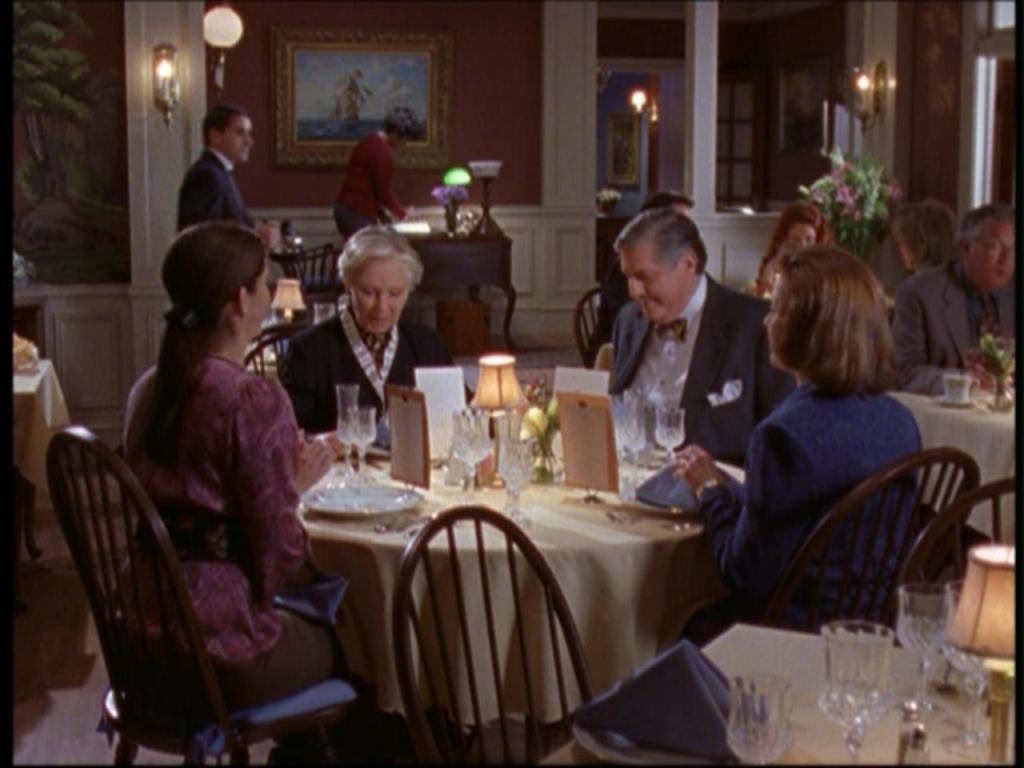
EMILY: So you’re just going to let this lead-footed Teutonic chambermaid drag your mother into a public forum and humiliate her, is that it?

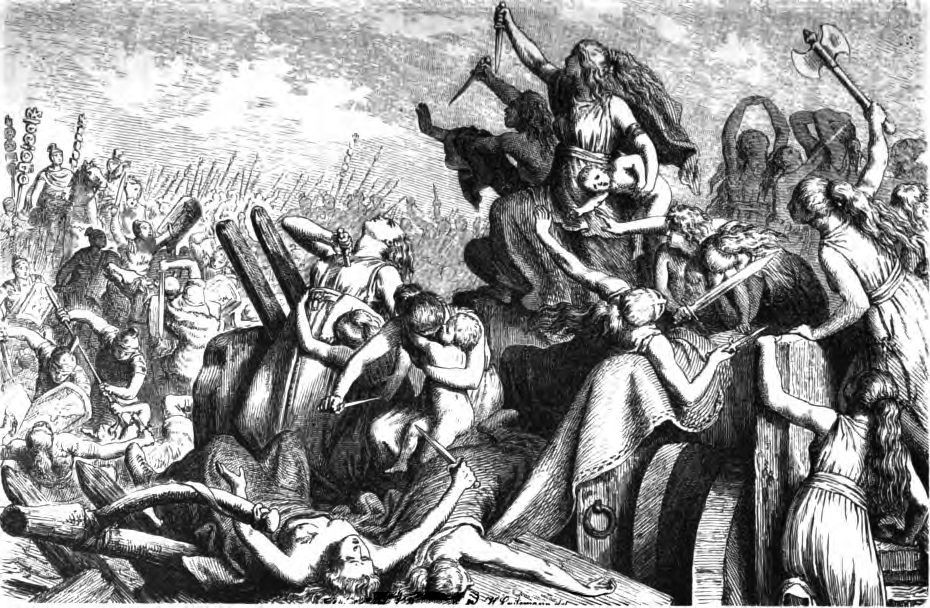
Teutonic, literally meaning pertaining to the Teutons, a Germanic or Celtic tribe mentioned by classical authors. Even though the evidence that they were Germanic is rather shaky, the word is more often used as a poetic way to refer to German and Austrian people.

Commencement Speaker

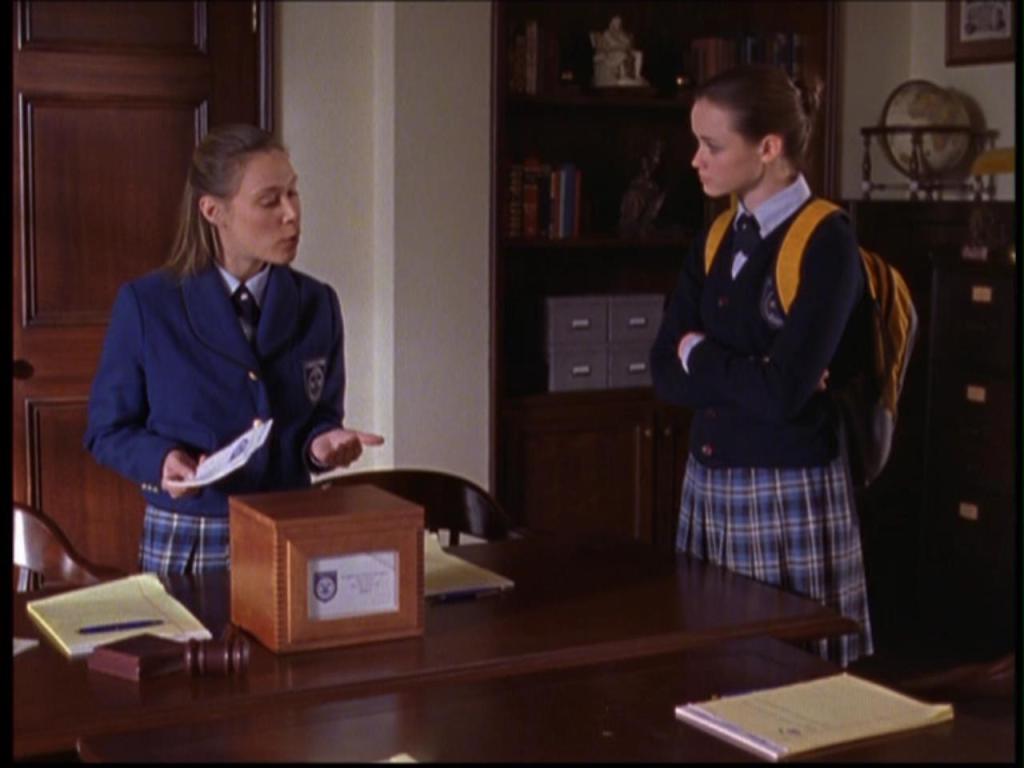
PARIS: Have you looked over the votes for commencement speaker? …

In the US, a graduation ceremony is often called commencement, presumably because the participants are about to commence a new life, post education. Even leaving high school is referred to as graduation in the US, not just tertiary graduation, as elsewhere.

The commencement speech or the graduation address is often given by a notable member of the community, giving them an uplifting message about education, wisdom, and hope for the future.

Cigar Humidor

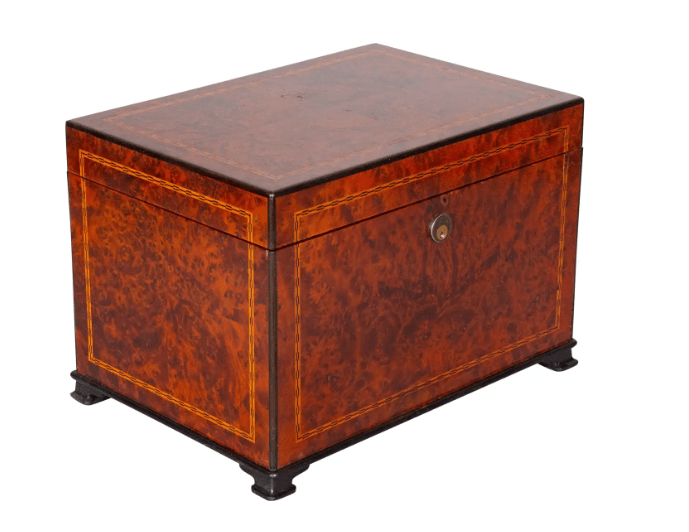
EMILY: I bought him a cigar humidor … It’s gorgeous. [sits down] It belonged to a lieutenant in the army in World War I. Apparently, he kept it in his field office in France. There are carvings in the bottom that the dealer said could possibly be coded messages.

A humidor is a humidity-controlled box used for storing cigars, cigarettes, cannabis, or pipe tobacco. Either too much or too little humidity can be harmful to tobacco products; a humidor’s primary function is to maintain a steady, desirable moisture level inside; secondarily it protects its contents from physical damage and deterioration from sunlight.

Even though Emily disapproves of Richard’s cigar club, she still buys him a beautiful and expensive antique humidor for his cigars.

Blankie

PARIS: You have a problem with it?

FRANCIE: No, I’m just surprised. You seem so attached to those meetings.

PARIS: Well, I finally got a blankie. It’s much better.

Blankie, the baby-talk word for the security blankets that toddlers sometimes like to carry around for self-soothing. A famous example is the character of Linus in the Peanuts comic strip.