Pot Roast

LORELAI: One minute it’s, “Pass the pot roast”; the next minute it’s, “Hey, have a pile of money”. Things are never boring at the Gilmore house.

Pot roast is an American dish made by braising a piece of beef, then slow cooking it in a covered dish with liquid added that can be made into gravy. Vegetables such as carrots, potatoes, and onions are commonly added as well.

The dish is a variation of the French dish boeuf à la mode, which was introduced by French immigrants to New England, and influenced by later German immigrants who also marinated and slow cooked roasts to ensure tenderness.

(The Gilmores didn’t really have pot roast that night, they ate rabbit.)

Lorelai is certainly right that being handed piles of money whenever you need them is part and parcel of being a Gilmore. She and Rory are supposedly struggling and working hard, but any time life gets a bit too tough you know someone will come along and bail them out financially.

“It’s terrible not to be needed”

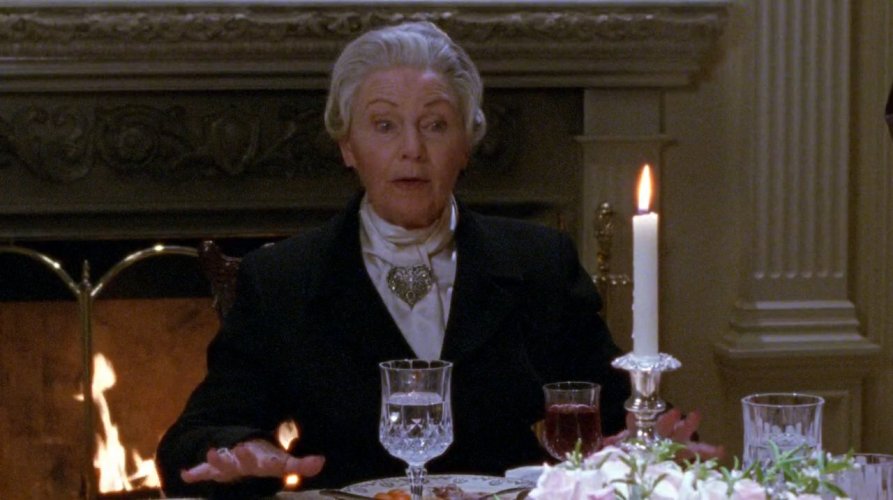
Trix offers to set up a trust fund for Rory so that she can pay for Chilton herself, and pay back her grandparents for the first year of tuition. This is because Trix finds borrowing money to be terribly distasteful, which makes you wonder how she manages at banks – are the Gilmores so wealthy they have never needed a bank loan or a mortgage, or are banks different?

Emily does everything she can to convince Lorelai that Rory’s financial independence will ruin her close relationship with her mother. If Rory pays her own way through university, buys her own car, and goes travelling on her own, what will she ever need Lorelai for?

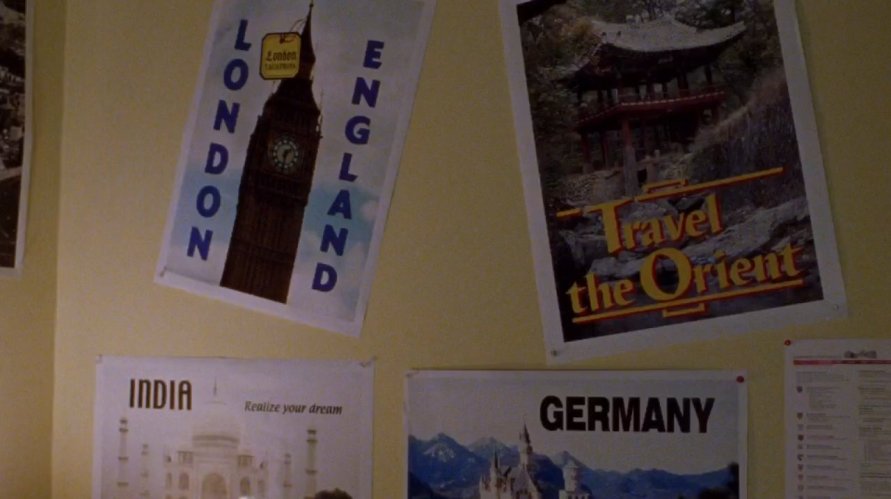
Although Lorelai dismisses Emily’s arguments as the ravings of a madwoman, when she gets home she goes to Rory’s room and finds it full of Harvard brochures, the walls covered in travel posters. It’s clear that Emily now seems a lot more convincing.

Of course, Emily’s real fear is that if she and Richard are no longer paying for Chilton, then Rory won’t need them either, and neither will Lorelai. The thought of losing her daughter and granddaughter all over again is unbearable to her, as her “It’s terrible not to be needed” makes clear.

“Neither a borrower nor a lender be”

TRIX (to Lorelai): You know Shakespeare once wrote, “Neither a borrower nor a lender be”.

The quote Trix refers to is from Shakespeare’s play Hamlet, earlier mentioned. In the play, Polonius is giving advice to his son Laertes, including this maxim. In fact Shakespeare doesn’t seem to be endorsing Polonius’ views, as he’s portrayed as a boring old windbag who’s wrong about pretty much everything.

Spanish Inquisition

PARIS: Those [cards in her jacket pocket] are notes for tonight.
RORY: Notes?
PARIS: Yeah. Just some reference points really – you know, subjects to bring up in case the conversation lags.
RORY: Well, can I suggest that you leave this one about the Spanish Inquisition out?

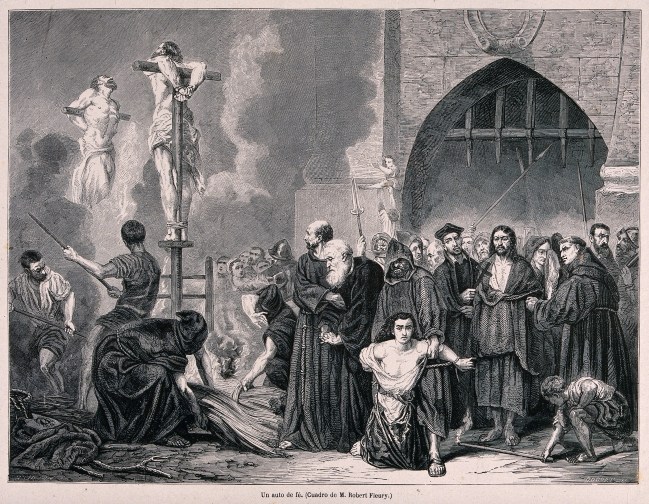
The Tribunal of the Holy Office of the Inquisition, commonly known as the Spanish Inquisition, was established in 1478 by Ferdinand II and Isabella I.

Intended to establish Catholic orthodoxy through Spain and its territories, its main purpose was to identify heretics among those who converted to Catholicism from Judaism and Islam and to test their sincerity. As Jews and Muslims were forced to either convert to Christianity or leave the country, it was little wonder their conversions might not have always been genuine.

Around 3000 to 5000 people were executed under the Spanish Inquisition, and it wasn’t officially abolished until 1834, although its influence had declined steadily for centuries.

Trophy wife

PARIS: Tristan asking me out? Why would he do that?
RORY: Why would he not do that?
PARIS: Because he’s gorgeous and experienced and only dates those most likely to become a trophy wife.

Trophy wife is the term for a woman believed to be only chosen by her wealthy husband as a status symbol, usually because she’s young(er) and attractive. It is derogatory to both people in the marriage; the inference being that the man can only attract women because of his money, and that the woman has nothing to offer except her appearance. The term dates to perhaps the 1950s, but became popularised in the 1980s.