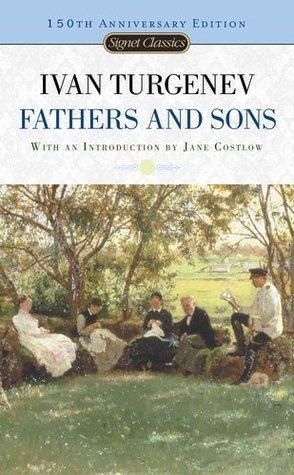
Ivan Turgenev (1818-1883), Russian novelist, short story writer, poet, playwright and translator. His 1862 novel Fathers and Sons is regarded as one of the major works of 19th century fiction, and he helped to popularise Russian literature in the West. He was friends with Gustave Flaubert, another author Rory likes, and an influence on writers such as Henry James and Joseph Conrad.
DARREN: Modern painting is my passion. I’ve got a Hockney, a Kline – what I don’t have is a Diebenkorn so please don’t ask, “Where’s the Diebenkorn?” … I only recently got into sculpture. My latest acquisition, it’s a Zoltan Kemeny. Very provocative. Don’t you just love its audacity?
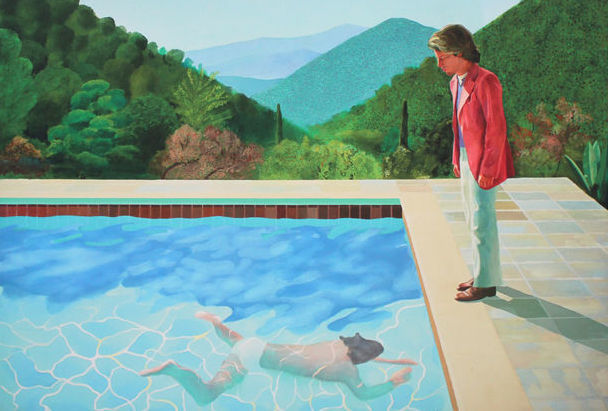
David Hockney (born 1937), English painter, draughtsman, printmaker, stage designer, and photographer. As an important contributor to the pop art movement of the 1960s, he is considered one of the most influential British artists of the 20th century. Some of his paintings sell for tens of millions, and his 1972 Portrait of an Artist (Pool with Two Figures) [pictured] sold at Christie’s for more than $90 million in 2018, briefly setting a world record for most expensive artwork by a living artist sold at auction.
Franz Kline (1910-1962), painter seen as one of the most important artists of the Abstract Expressionist movement of the 1940s and 1950s. He was a member of the informal art group, the New York School, and his work has been revered since the 1950s. An untitled work from 1957 sold at Christie’s for more than $40 million in 2012, the record price for one of his works. The previous record holder was his 1958 Crow Dancer, selling for $6.4 million in 2005. Some early works of his sold for around $20 thousand in the 1990s (Darren may have picked up a bargain?).
Richard Diebenkorn (1922-1993), painter and printmaker. His early work is associated with abstract expressionism and the Bay Area Figurative Movement of the 1950s and 1960s. In the late 1960s he began his extensive series of geometric, lyrical abstract paintings. Known as the Ocean Park paintings, these were instrumental to his worldwide acclaim. Diebenkorn’s 1984 Ocean Park #126 became the most expensive picture by the artist auctioned when it went for $23.9 million at Christie’s New York in 2018.
Zoltan Kemeny (1907-1965), sculptor, painter, designer, and fashion editor born in Transylvania in the Austro-Hungarian Empire (present-day Romania). He is known for his relief sculptures and collages assembled from sand, stone, wood, twine, buttons, and beads.
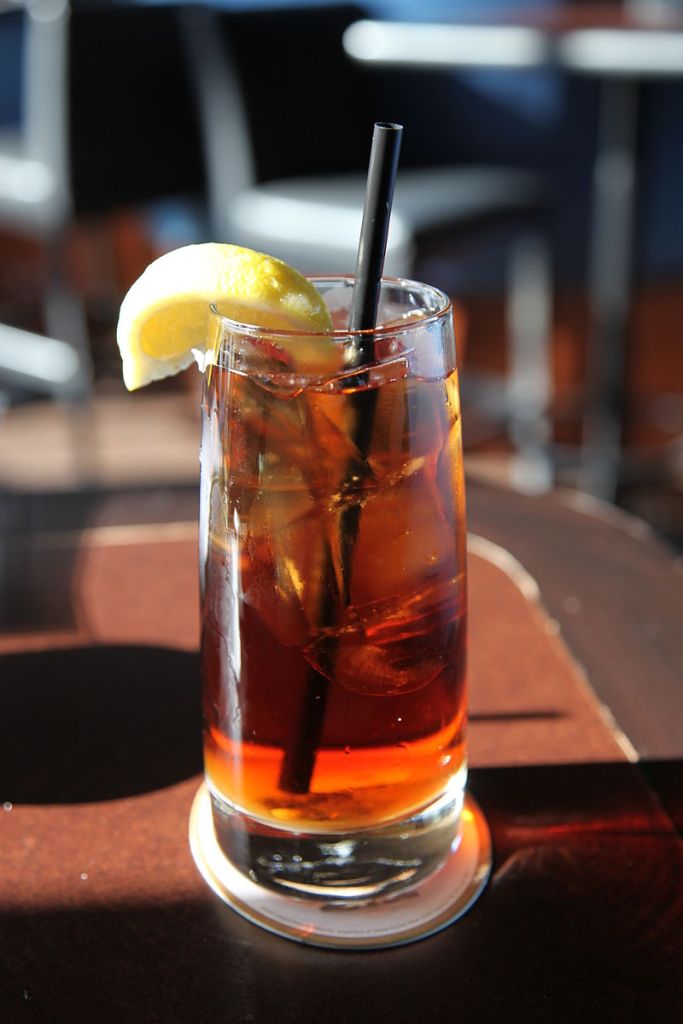
Iced tea, tea that has been chilled and often sweetened with sugar or syrup, usually served with ice cubes. In the US it is traditionally served with a slice of lemon as a garnish on the side of the glass. Iced tea began to appear in the US in the 1860s, and became increasingly popular after being served at the 1904 World’s Fair. Most tea in the US (85%) is drunk as iced tea, rather than a hot drink, and it is particularly associated with the Southern states of the US.
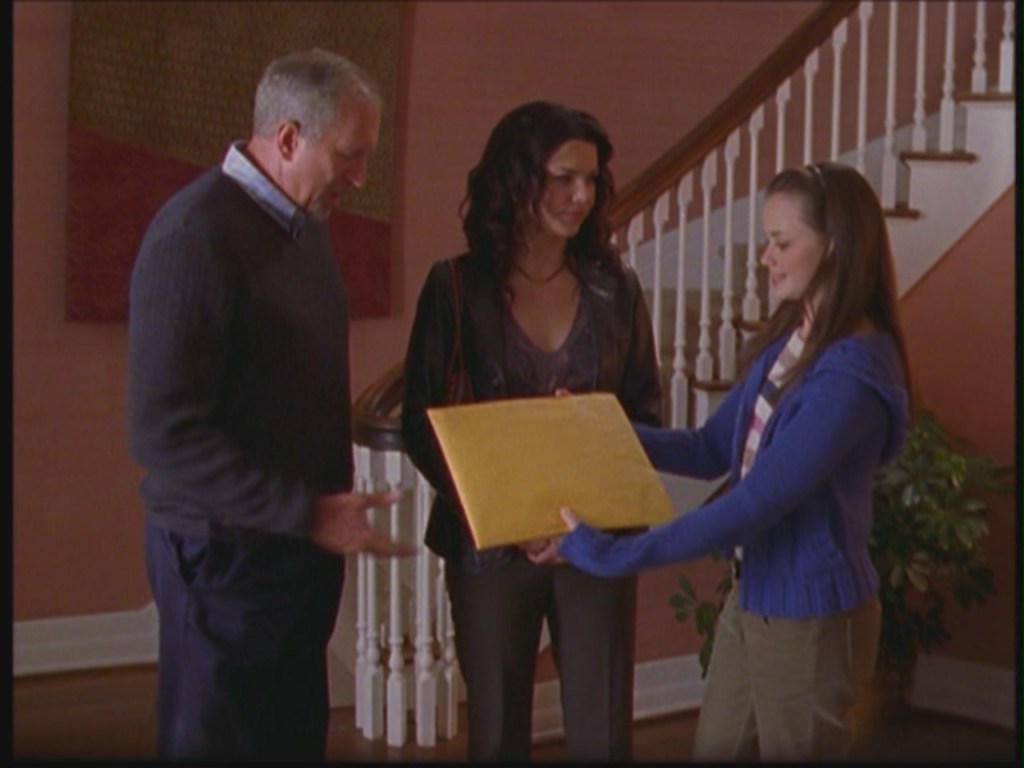
RORY: What? Oh, this. No, this is not a gift. These are my records – grades, SATs.
Some fans are horrified that Lorelai and Rory do not bring a small gift to their hosts, as a thank you for their hospitality (a common polite custom in the US, as elsewhere). However, considering that Rory is trying to get into Harvard with Darren’s help, a gift may feel uncomfortably like a bribe in this situation.
It would be inappropriate to bring a gift to your college interview for this reason, and this is almost an informal college interview. I am unable to tell from Darren’s response whether he expected a gift, but in any case, he doesn’t seem disappointed not to receive one.
I would welcome comments on this – are Lorelai and Rory guilty of a breach of etiquette, or are they keeping their hands clean of corruption? Does Darren look perturbed when he thinks Rory is presenting him with a gift, as if he thinks she is doing something wrong?
LORELAI: Oh, that would be the year the pumpkins arrived late.
DARREN: Sounds like a Dr. Seuss book.
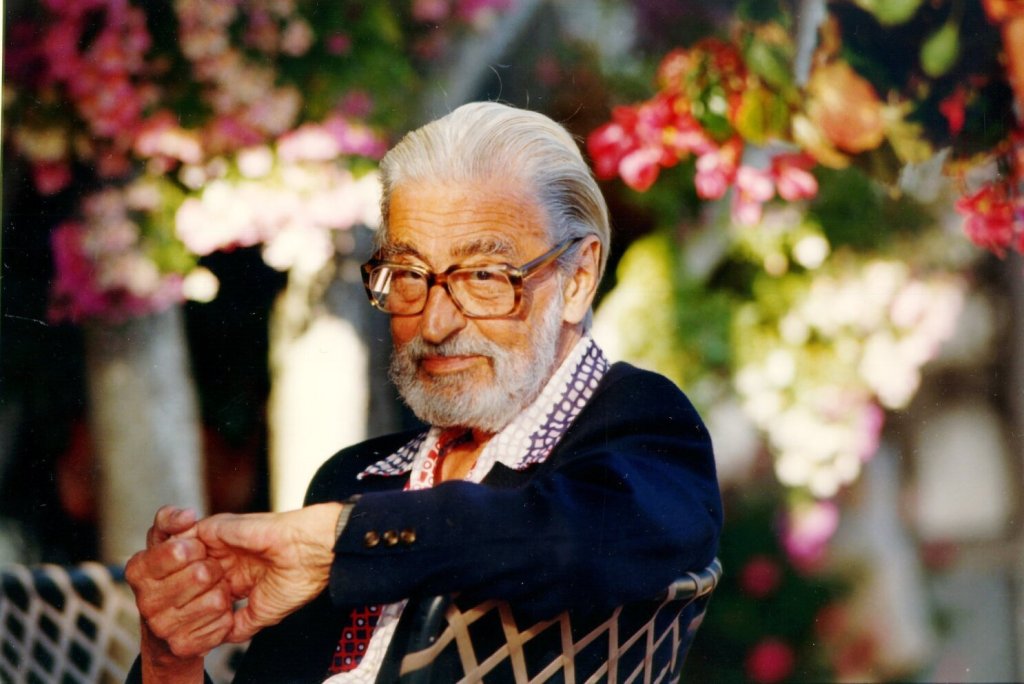
Dr. Seuss, the pen name of Theodor Seuss Geisel (1904-1991), children’s author and cartoonist. His work includes many of the most popular children’s books of all time, selling over 600 million copies and being translated into more than 20 languages by the time of his death. He has won the Lewis Carroll Shelf Award for his works Horton Hatches the Egg (1958), and To Think That I Saw It On Mulberry Street (1961). His birthday, March 2, has been adopted as the date of National Read Across America Day, an initiative on reading created by the National Education Association.
He is the author of How the Grinch Stole Christmas, which was made into the 2000 family film The Grinch, previously discussed. To me, The Year the Pumpkins Arrived Late doesn’t really sound very much like the title of a Dr. Seuss book.
People pronounce his pen name as “Soose”, to rhyme with moose, but his middle name is actually said “Zoice”, to rhyme with choice.
DARREN: Putting us out? Today you are the Springsteen family’s raison d’être.
Raison d’être: French expression commonly used in English, meaning “reason for being”. Darren is saying that just for today, his family only exist to get to know Rory and assist her.
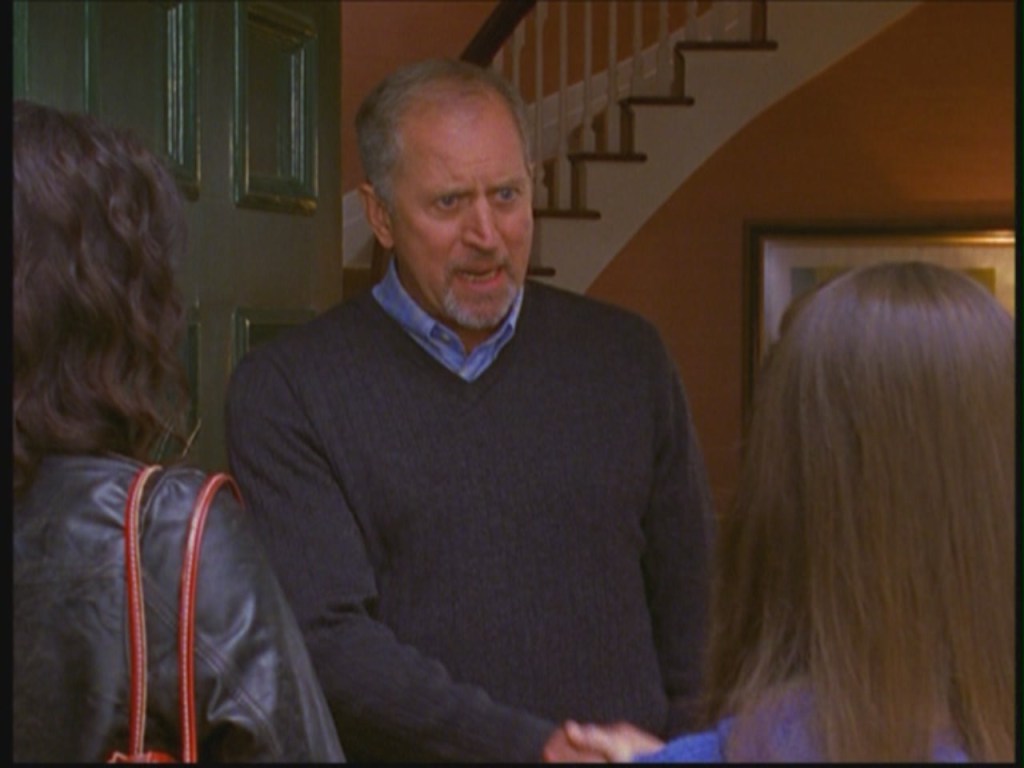
Darren Springsteen is portrayed by Granville Van Deusen, who, amongst other roles, played Keith Dennison on soap opera The Young and the Restless from 1997 to 2001.
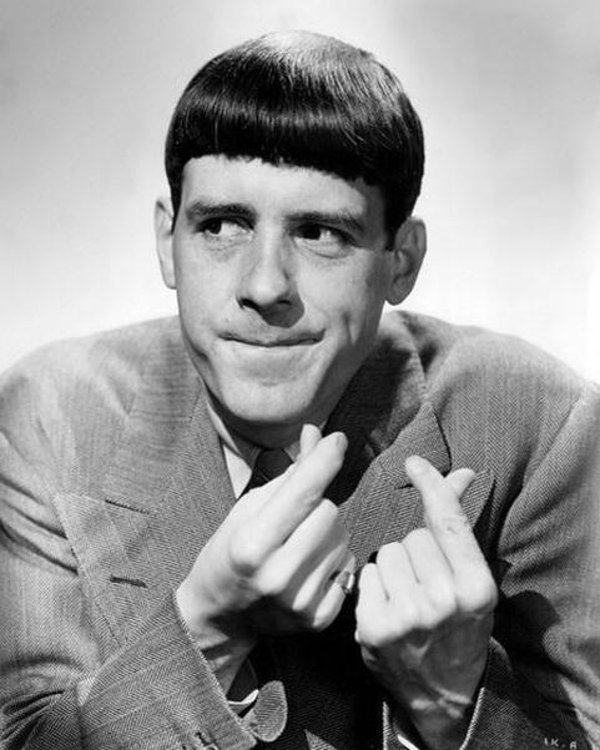
Ish Kabibble, born Merwyn Bogue (1908-1994), comedian and cornet player. He appeared in ten films between 1939 and 1950, and although his stage persona was a gangly goofball, he was also a notable cornet player. He performed with bandleader Kay Kyser, and was the manager for the Kay Kyser Orchestra. After the band broke up in 1950, he worked as a solo act until 1961, when he became a real estate agent. He has become an icon of American comedy, often referenced in popular culture.
His stage name came from the lyrics to one of his comic songs, “Isch ga-bibble.” It’s a mock-Yiddish expression, supposedly meaning, “I should worry?”. In fact, it isn’t Yiddish at all, although there’s a Yiddish phrase nisht gefidlt meaning “it doesn’t matter to me,” from which the term “isch ga-bibble” may have been derived.
I’m not sure if Rory is simply answering one name from Jewish culture with another, or if she is literally saying, “I’m not worried”, or “It doesn’t matter right now”.
LORELAI: So what do we call this guy, alumnus Darren, you know, like you’d say Farmer John or the butcher Lazar Wolf?
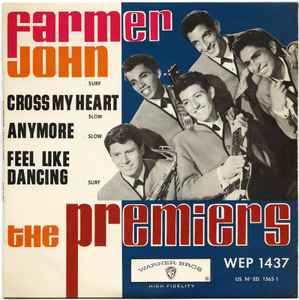
Farmer John: a 1959 song about marrying a farmer’s daughter, written and recorded by R&B duo Don and Dewey (Don “Sugarcane” Harris and Dewey Terry). It didn’t get much attention, but was reinvigorated in 1964 by garage rock band The Premiers, whose raw party sound made the song popular, reaching #19 on the charts. It has been covered since several times, including by Neil Young, where it appears on his 1990 album, Ragged Glory.
The Butcher Lazar Wolf: a character from the musical Fiddler on the Roof, previously discussed. The wealthy widower and butcher of the village.
LORELAI: So, alumna is a girl graduate … And alumnus is a man … And plural is alumni.
RORY: Right, and that can be girls and guys.
A quick run-down on the correct usage of the Latin word alumnus – all terms used more commonly in the US than in other countries.
An alumnus is a man who has graduated from a particular institution, such as “a Harvard alumnus”, while a woman in the same position is an alumna. The plural is alumni, which can be either a group of male graduates, or a group of both males and females. The plural of only female graduates is alumnae. There is also alum – which is a gender neutral term that doesn’t get used as much, but may become more common in the future.
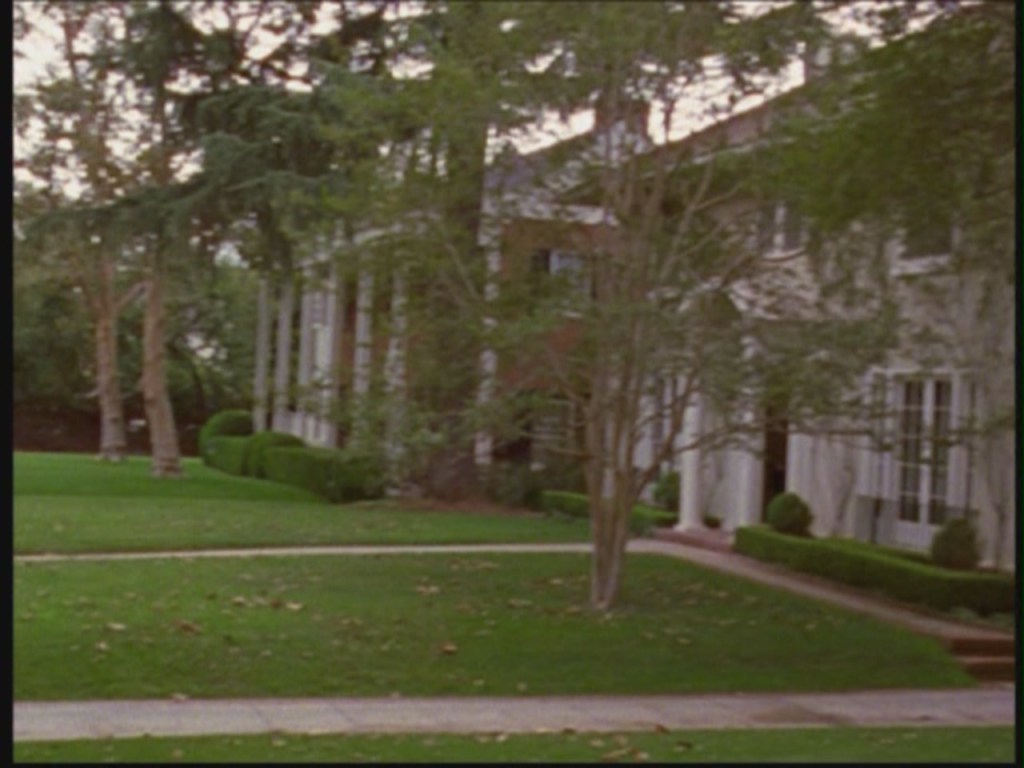
The scenes at the Springsteen’s home in Westport were filmed at 427 South Lucerne Boulevard. It’s a private home in the historic Windsor Square neighbourhood, in the Wilshire region of Los Angeles.

 The Annotated Gilmore Girls