Pinteresque

RORY: Sometimes I will add a dramatic pause to prove a point, undercutting my wpm.
PARIS: Let’s not harbor any Pinteresque fantasies here, Rory.

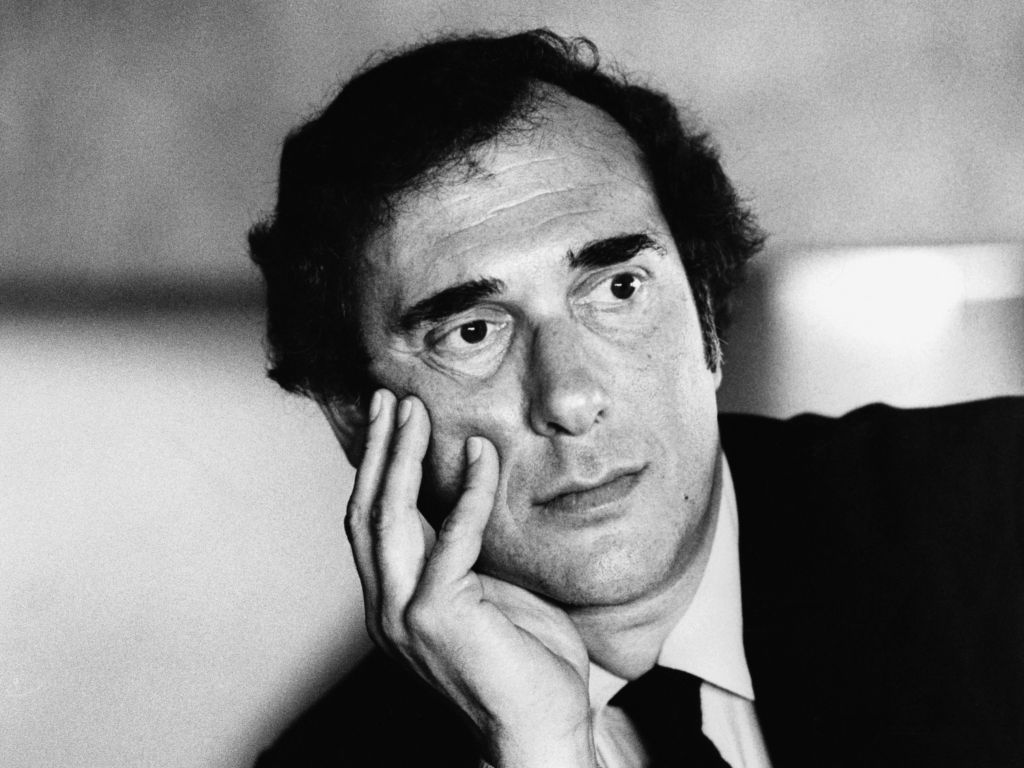
Paris is referring to playwright Harold Pinter (1930-2008), one of the most influential modern British dramatists, with a career spanning more than 50 years. His best known plays include The Birthday Party (1957), The Homecoming (1964), and The Betrayal (1978), each of which he adpated for the screen. He wrote several other screenplays, and directed or acted in radio, stage, television, and film productions of his own and others’ works. He received over 50 awards and honours, including the Nobel Prize for Literature in 2007.

To say that something is “Pinteresque” means that is characteristic of the dialogue in a Harold Pinter play, which (among other things) contains long, brooding pauses. “The Pinter pause” is considered a trademark of his style.
Willie Nelson

RORY: I talk normally.
PARIS: For the average Willie Nelson roadie, yes, but not for a winning debate team member.

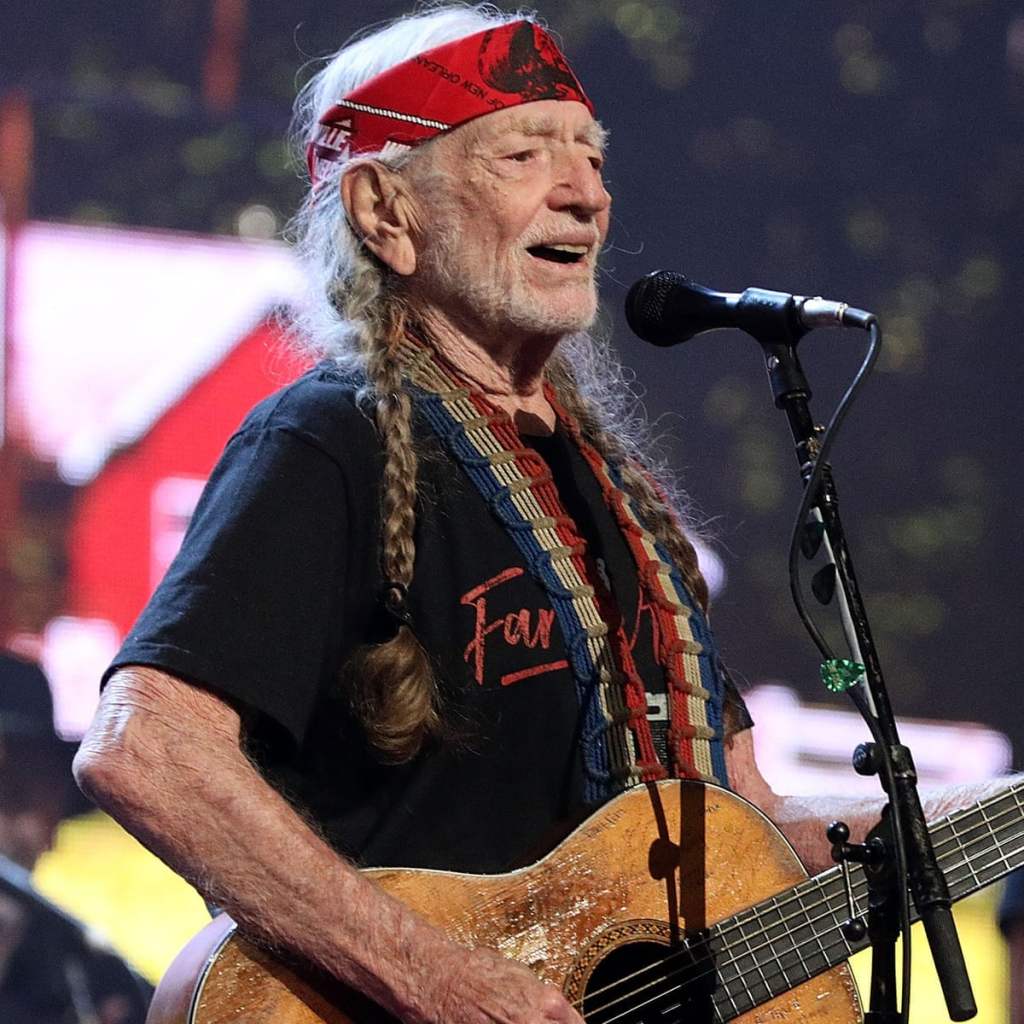
Willie Nelson (born 1933), country music singer, actor, and activist. He gained critical success with his 1973 album Shotgun Willie, then both critical and commercial success with his follow up albums in 1975 and 1978, making him one of the best known country music stars, and a leading figure in the outlaw country subgenre.

He’s appeared in more than 30 films, co-authored several books, and been involved in activism for the use of biofuels and the legalisation of marijuana. I think it is the activism for marijuana that Paris is thinking of – as if all his roadies will be stoned and speaking in stereotypical “stoner” voices.

“135 wpm”

PARIS: You’re only doing 135 wpm.
RORY: Wpm?
PARIS: Words per minute.
RORY: Of course.
PARIS: That’s slow.

Most people speak at 120-150 words a minute in everyday conversation, putting Rory’s 135 words per minute right in the centre of average.

It’s been found that people are more persuasive when they increase the speed at which they talk, so Paris is correct that it’s better to talk faster rather than slower. Debaters do usually speak much faster than a normal conversational speed.

“You were not talking fast enough”

PARIS: I was listening to the CD I burned of the cassettes I made of our mock debates against the make-believe team and I realized that you were not talking fast enough.

Presumably a meta comment about the show, which required the actors to speak their lines very quickly. Scripts were about twenty pages longer than the average hour-long series, which meant the actors had to talk faster than usual to get it all in.

The show hired a dialogue coach named George Bell to help actors adjust to the breakneck pace, just as Paris is coaching Rory to up her word per minute speed.

The show’s motto? “Life’s short. Talk fast”.

Kevorkian

PARIS: The debate’s Friday and we need more preparation.
RORY: More preparation? Paris – no two people know more about assisted suicide than the two of us. Kevorkian called today for a couple of tips.

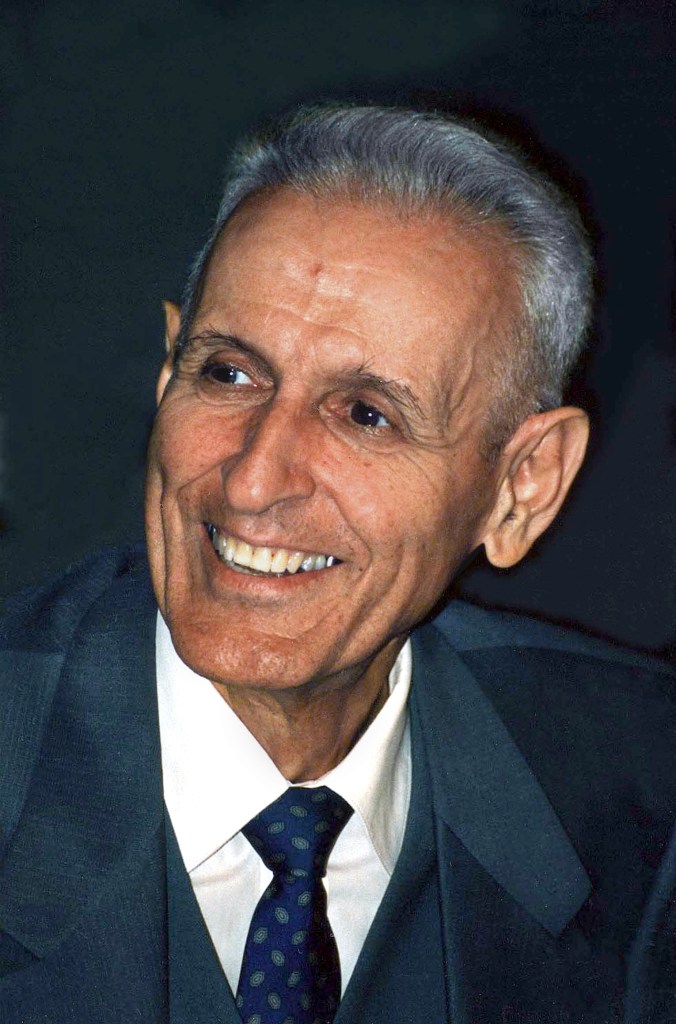
Murad “Jack” Kevorkian (928-2011), pathologist and euthanasia proponent. He publicly championed a terminally-ill patient’s right to die by doctor-assisted suicide. He said that he assisted at least 130 people to die, many of whom were not terminally ill, and some of whom had no physical ailment at all. He was convicted of murder in 1999, serving eight years in prison, and was released in 2007. The media often dubbed him “Dr. Death”. There was support for his cause, and he helped set the platform for reform to the law.

Two Fat Ladies

LORELAI: There’s always something on. Uh! Struck gold!
RORY: Not Two Fat Ladies again.
LORELAI: Why not? They’re brilliant.

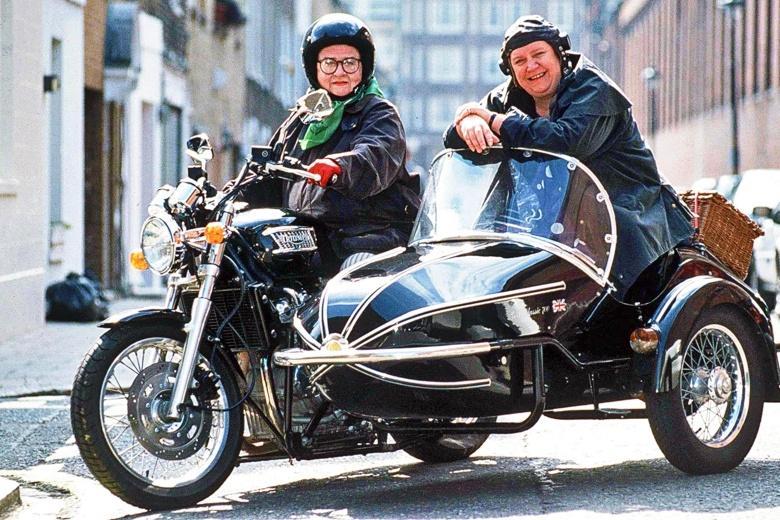
Two Fat Ladies, British cooking show originally broadcast on BBC2 from 1996 to 1999. The show centred on the titular ladies, Clarissa Dickson Wright and Jennifer Paterson, travelling around the UK on a Triumph Thunderbird motorcycle – registration N88 TFL (88 is “two fat ladies” in bingo calling, the origin of the show’s name) – and a Watsonian Jubilee GP-700 “doublewide” sidecar. Paterson was the one driving the motorcycle, with Dickson Wright in the sidecar.

Two Fat Ladies was frequently repeated in the US on the Food Network, and the Cooking Channel. The show came to an end, because as Lorelai notes, one of them passed away. This was Jennifer Paterson, who died of lung cancer in 1999, one month after diagnosis. Clarissa Dickson Wright died in 2014, from pneumonia.

Rory, who is apparently tired of watching all of the repeats of the show pleads, “Can’t we find some other really fat people to watch?”, to which Lorelai responds, “Wow, that sounded a little insensitive” (really, Lorelai? But you’ve got the sweetest kid in the world!).

Fat jokes? Insensitive comments? Without even looking, I knew this episode must have been written by Daniel Palladino.

Cooperstown

LORELAI: Schmitty’s over the hill, he’s washed up, put him in Cooperstown.

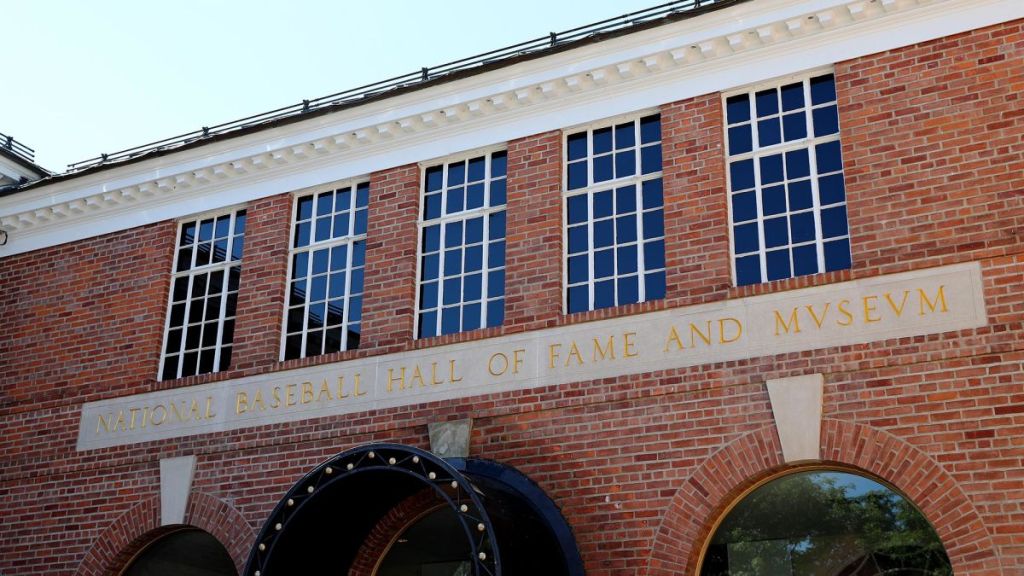
Cooperstown is a historic village in New York state of less than 2000 people. It is best known as the home of the National Baseball Hall of Fame and Museum, which opened in 1944 on farmland which had once belonged to James Fenimore Cooper (his father William Cooper was the town’s founder). The name Cooperstown is now synonymous with the Baseball Hall of Fame.

Cooperstown once laid claim to being the birthplace of baseball, but this was universally discounted by baseball historians. Nevertheless, it is a twin town of Windsor in Canada, which lays claim to being the birthplace of ice hockey.

Mike Schmidt (“Schmitty”) did get elected to the National Baseball Hall of Fame, several years after his career ended.

Even though Lorelai was playing bagel hockey and choosing a goalie, she has switched metaphors as if playing baseball. This is no doubt because Scott Patterson, who plays Luke, is a former baseball player.

Schmitty

LORELAI: Goalie for the bagel hockey team?

RORY: And bump Schmitty?

LORELAI: Schmitty’s over the hill, he’s washed up …

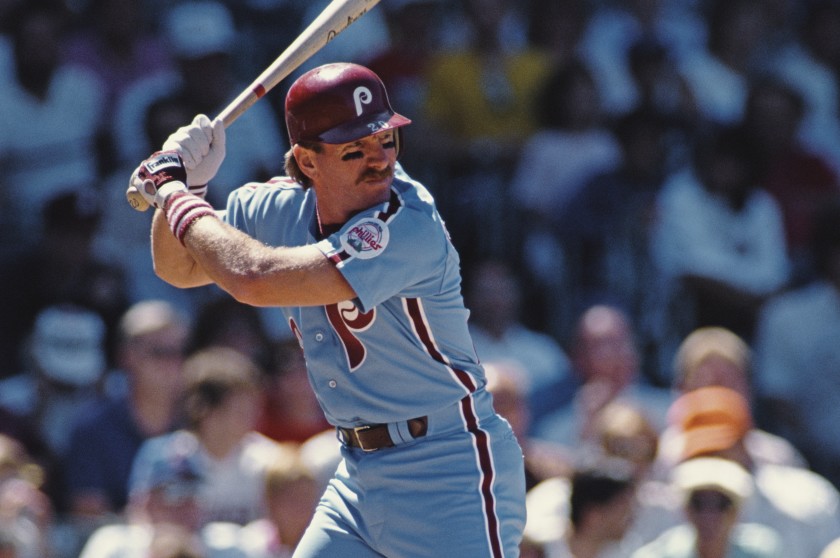
If Rory is referring to a real person named Schmitty, rather than an imaginary one, it can only be former baseball star Mike Schmidt (born Michael Schmidt in 1949), often referred to as “Schmitty”. He played 18 seasons with the Philadelphia Phillies between 1972 and 1989. A twelve-time All-Star and three-time winner of the Most Valuable Player Award, he was elected to the Baseball Hall of Fame in 1995. Sporting News named him Player of the Decade for the 1980s.

I feel as if Rory made up an imaginary Schmitty, but Lorelai recognised it as the name of a baseball player, hence why Lorelai rapidly jumps to baseball references.

“Don’t forget me in my solitude”

LANE: Don’t forget me in my solitude.
RORY: Never.

A possible reference to (In My) Solitude, a 1934 song by Duke Ellington, with lyrics by Eddie DeLange and Irving Mills. It is considered a jazz standard. Ellington’s second version of the song went to #2 on the charts of 1934. Covered at least 28 times in the 1930s and ’40s, it was recorded several times by Billie Holiday; one of her renditions was chosen for the 2021 Grammy Hall of Fame.

Some of the lyrics seem to describe Lane’s emotional state very well, perhaps even providing a disturbing insight into her present thoughts:

I sit in my chair
I’m filled with despair
There’s no one could be so sad
With gloom everywhere
I sit and I stare
I know that I’ll soon go mad