Please Kill Me

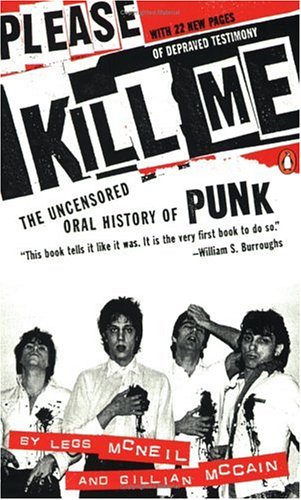
JESS: Have you ever read Please Kill Me? … Oral history of the punk movement. You’d like it – you can borrow it if you want.

Please Kill Me: The Uncensored Oral History of Punk by Legs McNeil and Gillian McCain, first published in 1996. It consists of interview with punk musicians, and spans the early period of punk in the US, from The Velvet Underground and The New York Dolls to Iggy Pop and The Ramones. The book became an instant hit, and is a cult classic.

Note that Jess suggests this “history” book as an alternative to reading about The Marshall Plan!

The Marshall Plan

RORY: Explain to me the political ramifications of the Marshall Plan.

The Marshall Plan, officially the European Recovery Program or ERP, was an American initiative enacted in 1948 to provide foreign aid to Western Europe. The US transferred over $13 billion (equivalent to around $115 billion today) in economic recovery programs to Western European economies after the end of World War II.

The initiative was named after the US Secretary of State, George C. Marshall, and one of its main ramifications was to ensure greater geopolitical influence for the US in Western Europe. It has been argued that it marked the beginning of the Cold War, with the USSR refusing assistance, and determined to bolster its own influence in Europe. This was seen by the US as an act of hostility.

Jess’ History class is obviously studying the Post-War era.

Jess’ Magic Trick

RORY: Get your books or I’m going home.

JESS: Wait there. [does magic trick]

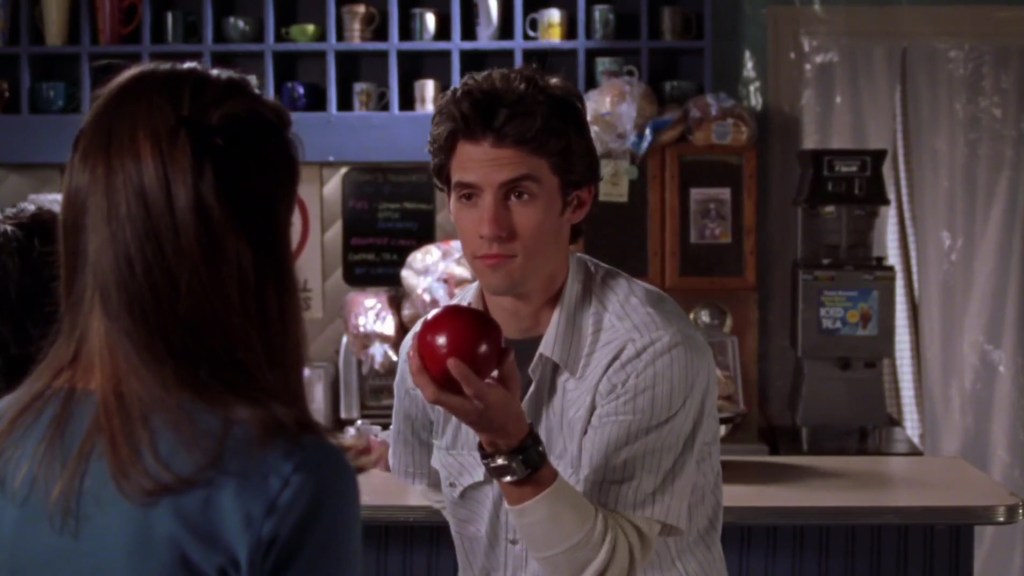
At the end of the trick, Jess presents Rory with an apple by sleight of hand. It’s an apple for the teacher, but also a potent symbol of sexual temptation – Jess is the cunning serpent in the Paradise of Stars Hollow. Although Rory receives it with a bashful smile, clearly charmed, she never takes a bite from the apple – she’s a virginal Eve, not ready to give into temptation.

“A mind is a terrible thing to waste”

JESS: Well, hurry – a mind is a terrible thing to waste.

A mind is a terrible thing to waste is the marketing slogan of the United Negro College Fund, adopted in 1972, and one of the most widely recognised advertising slogans in the US. Despite its name, the UNCF has scholarships open to people of all ethnic backgrounds, although the majority of recipients are African-American.

This is something said as a joke which is all too true. On some level, Jess must realise that he is letting his good mind go to waste, or that it is being wasted.

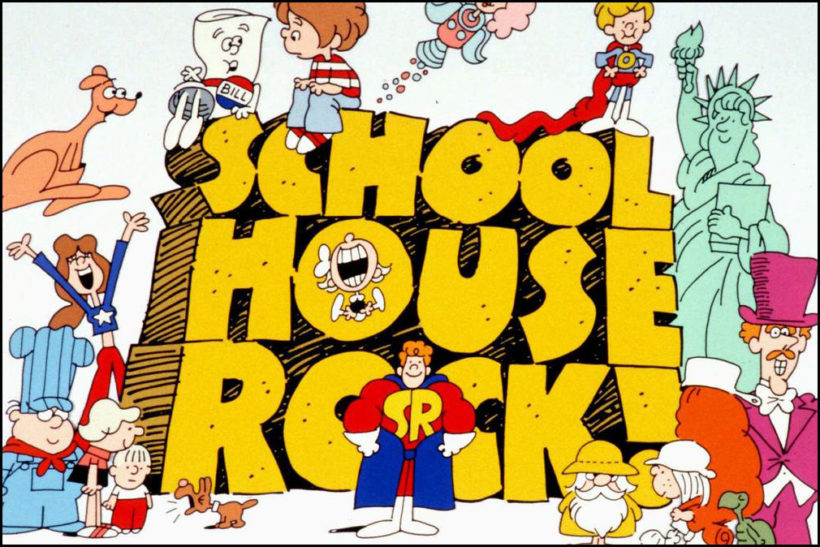
Schoolhouse Rock!

JESS: I just can’t wait for that learning to begin. Hey, are we gonna do some of those Schoolhouse Rock! songs?

Schoolhouse Rock! is a series of short animated educational musical films that aired during Saturday morning children’s programs on the ABC network from 1973 to 1984, with a revival between 1993 and 1996 (when Rory and Jess were aged 9 to 12). Themes covered grammar, science, economics, history, mathematics, and civics. Soundtrack albums and songbooks were released as tie-ins.

Jess consistently equates formal education with something dated and childish, but I think he actually would learn better if the facts were presented as rock songs!

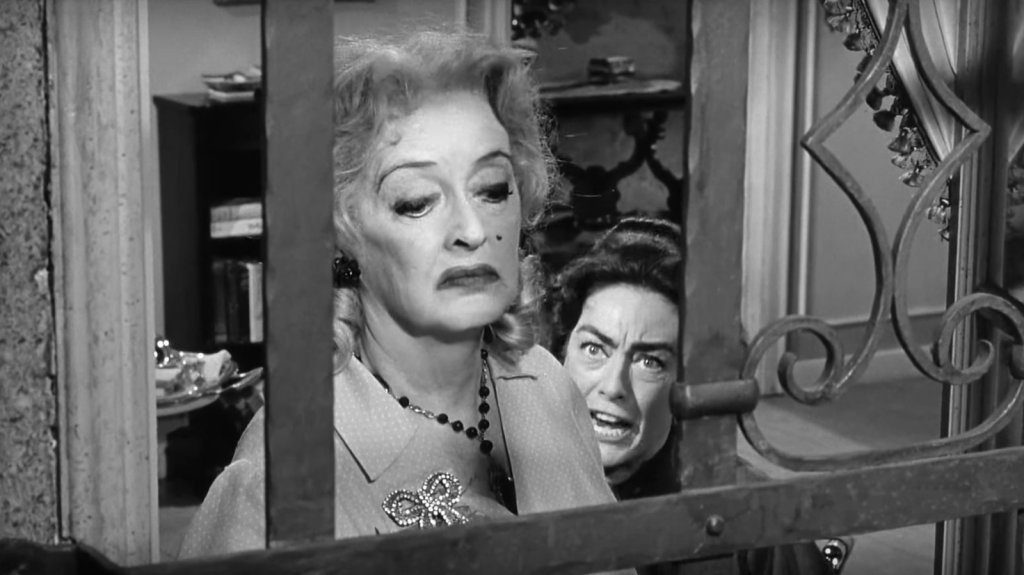
Whatever Happened to Baby Jane?

RORY: Just don’t answer the phone.

LORELAI: Hello, I get calls there, too. I’m not Whatever Happened to Baby Jane? yet, thank you very much.

Whatever Happened to Baby Jane?, 1962 psychological horror-thriller film directed and produced by Richard Aldrich, and based on the 1960 novel of the same name by Henry Farrell. It stars Bette Davis and Joan Crawford as an ageing former child star named “Baby Jane” Hudson, who torments her paraplegic sister Blanche, a former Hollywood star, in an old Hollywood mansion.

The film was a box office success. At the time, it received mixed reviews, but as time has gone on, it has been almost universally acclaimed.

In the film, Jane suspects that her sister is going to have her committed to a psychiatric hospital, and she removes Blanche’s phone from the bedroom, cutting her off from the outside world. This is what Lorelai is referring to when she complains to Rory that she receives calls on the phone as well.

Lying to Dean

RORY: Listen, just in case, and I don’t think he will, but if Dean calls, will you tell him I’m with Lane? ….

LORELAI: How come I have to lie to Dean?

Lorelai balks at lying to Dean, and suggests to Rory that if she feels as if she needs to lie to Dean about tutoring Jess, then maybe she shouldn’t be tutoring him. Yet when Rory lost her bracelet, Lorelai encouraged her to lie to Dean. Has she realised the error of her ways, or is she simply being sulky and stubborn, and trying to stop Rory spending the evening alone with Jess?

Lorelai says that if Rory needs to lie about Jess, maybe she shouldn’t tutor him. She never considers saying that if Rory is too frightened to be honest with Dean, then maybe she shouldn’t be with him.

Egg cream

LORELAI: Egg cream? Now, I never had an egg cream but it sounds just disgusting enough to be fabulous.

An egg cream is a cold soda fountain drink made from milk, carbonated water, and flavoured syrup (usually chocolate or vanilla). Despite the name, there are no eggs or cream in it. The egg cream originated at the end of the 19th century among Yiddish-speaking Jewish immigrants from Eastern Europe in New York City.

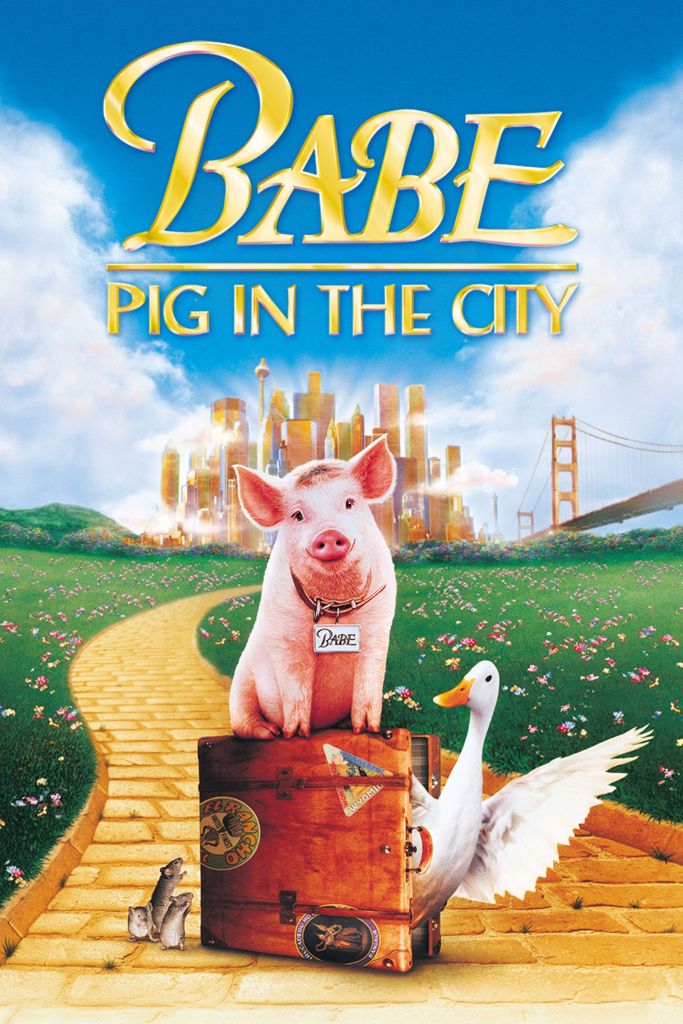
Babe 2

KIRK: It’s not exactly Babe, it’s more like Babe 2 …Same pig, harder edge.

Kirk references Babe: Pig in the City, a 1998 comedy-drama adventure film that is the sequel to Babe, previously discussed, and has the same director and most of the same cast. The story focuses on the journey of the pig Babe (now voiced by Elizabeth Daily), and Farmer Hogget’s wife Esme, in the fictional city of Metropolis. The film, which is noticeably darker in tone and setting compared to the first film, received poor reviews, and was a box office bomb.

Asaad Kelada and the Facts of Life

KIRK: No, I’m sorry, I have the wrong person. Who’s the guy who directed all those Facts of Lifes? … Asaad Kelada, sorry. In my soul I know I am Asaad Kelada.

Asaad Kelada (born 1940), Egyptian-born American director who was educated at the Yale School of Drama. He has directed many television sitcoms, including Rhonda, The Facts of Life, Family Ties, and Who’s the Boss?

The Facts of Life, previously discussed.