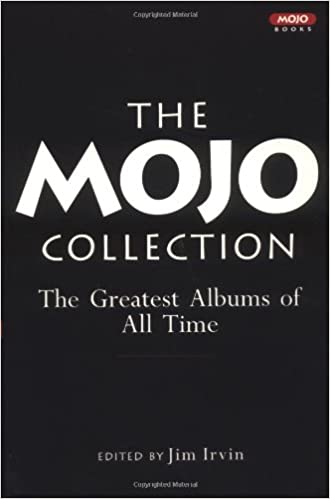
Lane is shown clutching a copy of The Mojo Collection: The Greatest Albums of All Time, edited by Jim Irvin. It contains a detailed list of six hundred albums.
The book was published in August 2001 – just a month previously, as an indication of how eagerly Lane rushed out to buy it. She is using it as a guide as to what records to buy next. You can see that Lane is doing her best to give herself a solid grounding in the history of popular music.
Mojo is a British music magazine, first published in 1993. It focuses on classic rock and is aimed at a mostly boomer readership, but has covered new and alternative acts as well. It was the first mainstream magazine in the UK to feature The White Stripes.
Lane asks Rory to buy some vinyl records for her while she’s in Hartford. No money seems to exchange hands, but perhaps there is an unspoken understanding that Lane will pay her back when she knows the exact cost.
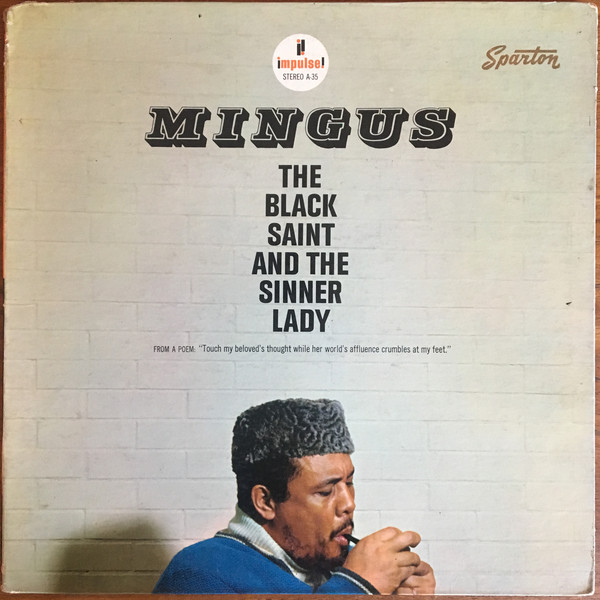
The Black Saint and the Sinner Lady
A 1963 album by American jazz legend Charles Mingus. It is a single continuous composition (partly written as a ballet), divided into four tracks and six movements. It is one of the most acclaimed jazz records of the 1960s, considered one of Mingus’ masterworks, and is consistently ranked as one of the greatest albums of all time.
!!!!Here Are The Sonics!!!!
The 1965 debut album of American garage band The Sonics. Highly influential on the development of punk music, it is considered an essential piece of Seattle rock and roll history. Rory is impressed enough to ask Lane to burn her a copy.
Kick Out the Jams
The 1969 debut album of American proto-punk band MC5. It was recorded live at Detroit’s Grande Ballroom over two nights at the end of October. It was controversial at the time for the line, “Kick out the jams, motherfuckers!”, and some stores refused to carry it. Nonetheless, it managed to reach #30 on the Billboard charts. Considered rather overbearing and pretentious by critics at the time, it is now held in very regard for its high energy live performance, and influence on rock music.
Liege & Lief
A 1969 album by British folk-rock band Fairport Convention. It was the first album they brought out where all the songs were freely adapted from traditional British and Celtic folk music, or original compositions done in a similar style. The title is two words from Middle English, meaning “loyal”, and “willing”. It reached #17 on the UK album charts, and is regarded as a major influence on the development of British folk-rock.
Odessa
A 1969 album by the Bee Gees. It was an ambitious project, intended as a concept album about the loss of a fictional ship in 1899. It created a lot of tension in the band about their musical direction, so that Robin Gibb temporarily left the band. It reached #10 in the UK album charts and #20 in the Billboard album chart, but was poorly-received by both the critics and the public, leading to a decline in the band’s fortunes, until they reinvented themselves as a disco band in the 1970s. (This may be why Rory is dubious about the album). Odessa has since been re-evaluated, and gained increasing critical acclaim.
The Unwritten Works of Geoffrey, Etc
The only album released by Whistler, Chaucer, Detroit, and Greenhill, in 1968. It was a psychedelic folk-rock album which defied categorisation, and the four names on the album were pseudonyms for David Bullock, Scott Fraser, Eddie Lively, Phil White, and John Carrick; it was produced by a young T-Bone Burnett. Recorded in the basement of a Fort Worth radio station, the record was released to widespread indifference. It wasn’t reissued until 2006 (complete with historical liner notes), so it’s little wonder Lane has not been able to locate a copy of this rare album.
LANE: Well, I found the greatest record store in the world. It’s ten minutes from your school and I’m wondering how much you love me. RORY: Address please. LANE: Record Breaker Incorporated, 2453 Berlin Turnpike.
The Record Breaker Inc was a real vinyl record store in the Hartford area in 2001, and the address given in the show is genuine. It may have been a store patronised by music obsessed Daniel Palladino.
The address is actually in Newington, a suburb of Hartford, which tells you that Chilton, Rory’s school, must be only ten minutes walk from the store. In real life there are several high schools in Newington, including a private Christian academy, but none fall within this range. As it is in a light industrial area, it seems unlikely to have an exclusive school half a mile from it.
As Rory’s grandparents are said to live five minutes from Chilton, they must also live in the Newington area. Richard may very well play golf at the Farmington Country Club, which is not far from here. Although there are some lovely homes in Newington, there doesn’t seem to be anything quite as luxurious as the Gilmore mansion. I think it is safe to assume this is a quite fictional Newington.
Record Breaker has now been replaced by a video game store called Retro Games Plus.
The purpose of the road trip to Harvard was to allow Rory to see something of college life, and see herself as a future college student. For Lorelai, the purpose of the trip was to stay at a working B&B – and even though she didn’t like it, it was a successful concern with happy customers. She can begin to see herself running an inn, and from this moment forth, begins seeking out Luke as a business mentor.
Her dream of running her own inn begins to firm into a reality, and when she leaves Luke’s, she immediately phones Sookie to let her know it’s time they started seriously working towards their goal.
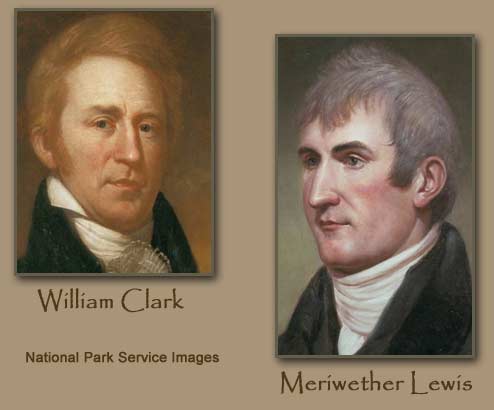
LUKE: Hey! LORELAI: Lewis and Clark have returned.
Captain Meriweather Lewis and his close friend Second Lieutenant William Clark were American explorers who formed an expedition which ran from 1804 to 1806. It was the first American expedition to cross the western portion of the United States, beginning in St. Louis, Missouri, and ending on the Pacific Coast.
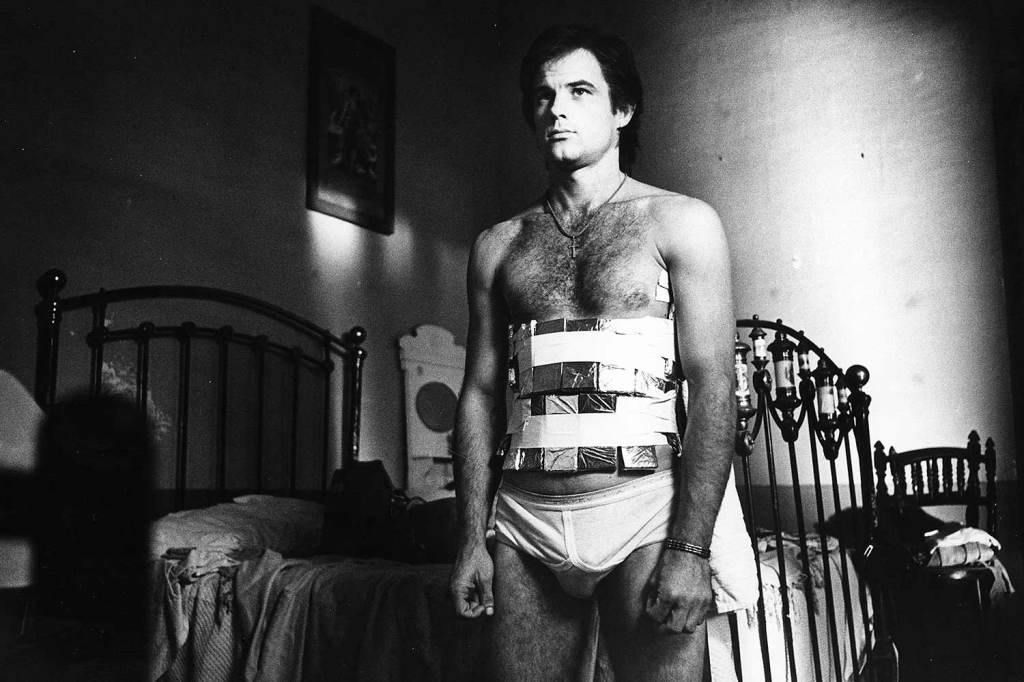
RORY: How did you get them [bootleg albums] past customs? LANE: Well, I strapped them to my body like in Midnight Express.
Midnight Express, previously discussed as a film that Lorelai and Rory had seen; apparently Lane watched it with them at least once. In the film, Billy Hayes is caught while trying to smuggle hashish out of Turkey, with the drugs strapped to his body.
That Billy’s plan didn’t work and he was sent to prison doesn’t seem to have deterred Lane. She’s almost certainly joking, as it doesn’t seem to be particularly difficult to get bootleg albums through US customs. It seems to be one of those things that are technically illegal, but rarely enforced.
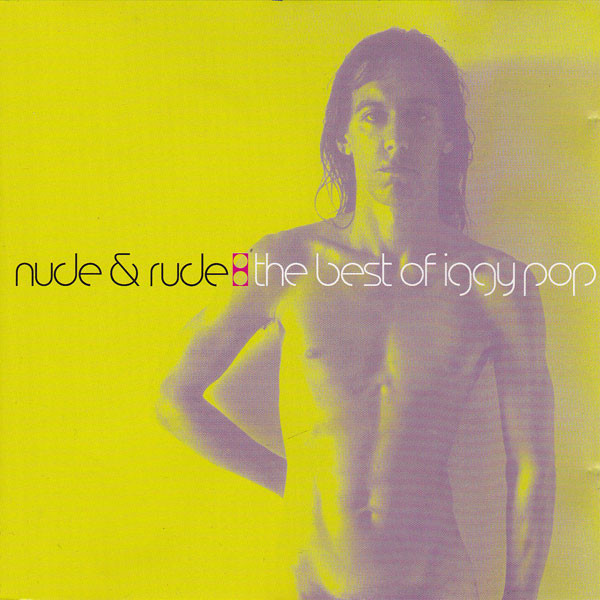
LANE: Yeah, some of the food’s not so bad, and then my cousins were actually pretty interesting, and the best part, Korea is bootleg heaven. I totally scored in Seoul. Elvis Costello at the Marquee in 1978. A barely coherent Nico doing Doors songs in 1974, and even more barely coherent, Iggy Pop doing David Bowie songs naked in 1981.
I think the Elvis Costello reference contains a mistake, but whether by a jet-lagged Lane or the scriptwriter (Daniel Palladino) is unclear. Costello did not perform at The Marquee in London in 1978, and I’m pretty sure Lane means Live at the El Mocambo, a live album recorded in March 1978 from a live radio broadcast at the El Mocambo club in Toronto. It was heavily bootlegged, and only made legally available in 1993 as part of a box-set; the album was released as a mainstream issue in 2009.
The Nico album that Lane refers to is The End …, Nico’s fourth studio album which was released in 1974, her fifth collaboration with John Cale from The Velvet Underground. It was her first album since the death of her former lover Jim Morrison from The Doors, previously discussed, and one song You Forget to Answer, describes her misery when she was unable to get Morrison on the phone, only to learn later he had died. She also performs a cover of The Doors song The End. The album received some very positive reviews, but was commercially unsuccessful.
I think the Iggy Pop album Lane refers to is Nude & Rude, a 1996 compilation album. One of the songs on it is China Girl, written by David Bowie and Iggy Pop, and first appearing on Iggy Pop’s 1977 debut solo album The Idiot. It became far better known when David Bowie recorded it for his commercially successful album Let’s Dance in 1983, which went to #10 in the US and #2 in the UK. So Lane is only partially correct that he’s performing a David Bowie song – they both wrote it, and Iggy Pop recorded it first. She also may have taken the album’s title a little too literally.
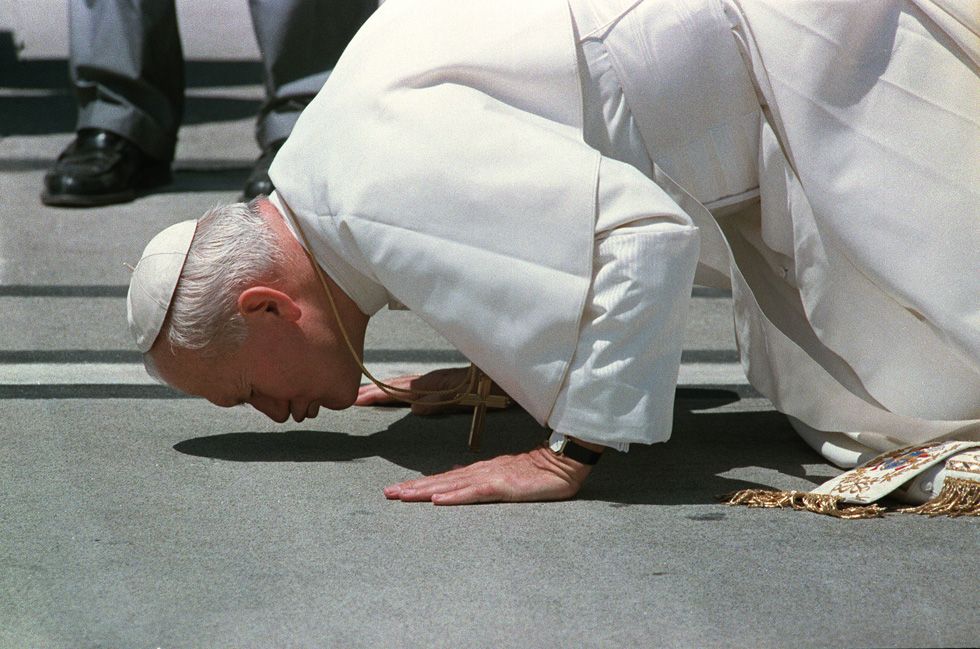
LANE: It’s so amazing to be back. When I got off the plane, I kissed the tarmac. LORELAI: Just like the Pope. LANE: It was hot and I burned my lips. RORY: Maybe that’s why the Pope always looks so grumpy.
Pope John Paul II, previously discussed, made a point of always kissing the ground when he arrived in a country as a sign of love and respect for the nation and its people.
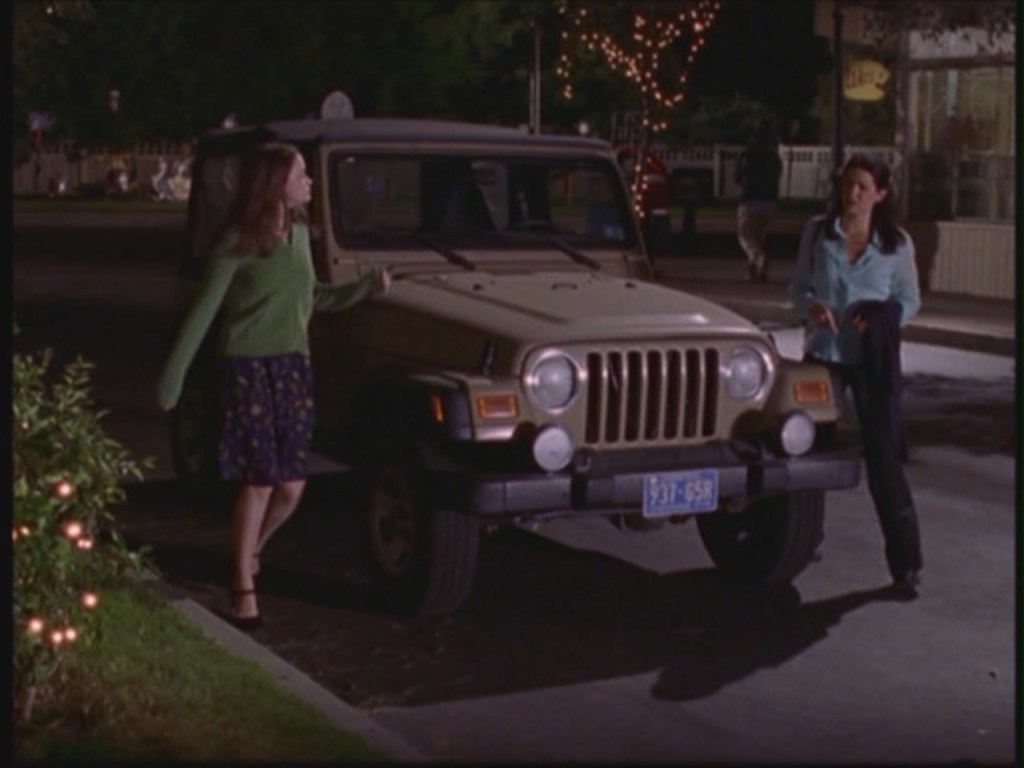
LORELAI: Hey, am I too far from the curb? RORY: Oh, you’re within five feet. LORELAI: Close enough for jazz.
Close enough for jazz is American slang meaning “near enough, good enough”. It comes from musician’s slang meaning that a particular tuning, for example, would be “good enough (to play) jazz”. It is of course an immensely annoying phrase for jazz musicians.
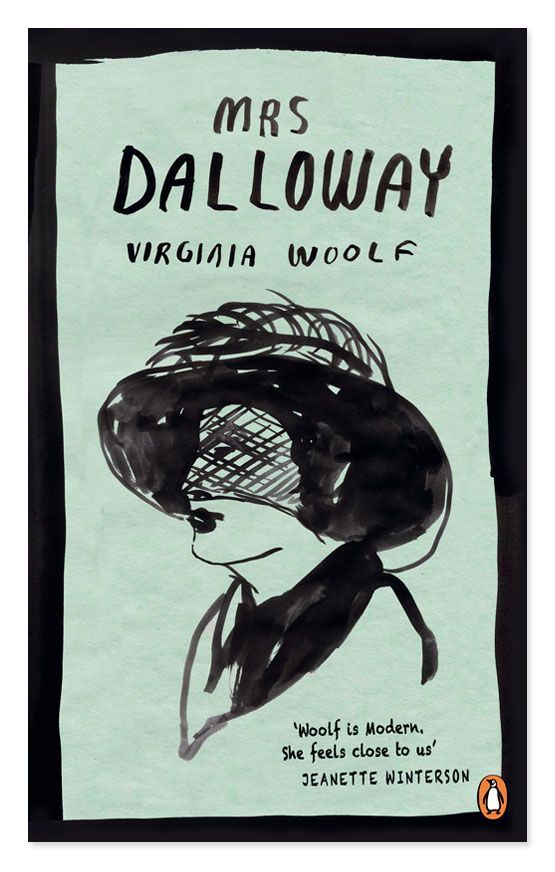
While Lorelai and Emily are talking, Rory takes out a copy of this book, and reads it. It is the second work by Virginia Woolf we have seen Rory read – the first one being A Room of One’s Own.
Mrs Dalloway, published in 1925, is one of Woolf’s best known novels. Based on a short story she wrote called “Mrs Dalloway in Bond Street”, it details one day in the life of Clarissa Dalloway, a high-society woman, with the action taking place in June 1923. It is often compared with James Joyce’s Ulysses, another modernist work from the 1920s set on a single day in June, and this is a natural progression for Rory after reading the novel by Joyce.
 The Annotated Gilmore Girls