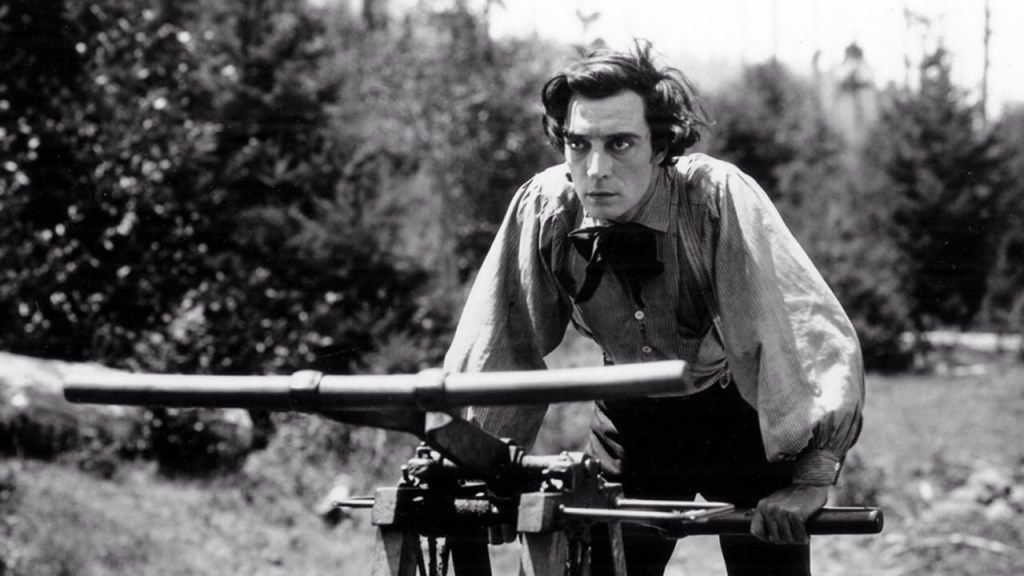
PARIS: Did you see the brilliant hose hook idea over at table five? A hook on your belt for your garden hose. There’s a Buster Keaton routine waiting to happen.
Joseph “Buster” Keaton (1895-1966), actor, comedian, and filmmaker. He is best known for his silent films of the 1920s, in which his trademark was performing comedy stunts with a stoic, deadpan expression – his stunts were so physical he once broke his neck without noticing. The General (1926) is regarded as his masterpiece [pictured]. Keaton received an Academy Honorary Award in 1959.
RICHARD: Welcome, everyone, to the first official board meeting of the StyleAid Corporation. Will everyone please take a seat?
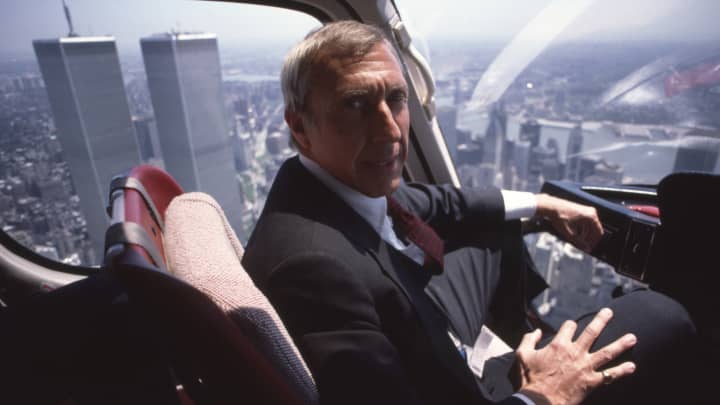
CHIP: I feel like Ivan Boesky.
Ivan Boesky (born 1937), former stock trader who became infamous for his prominent role in an insider trading scandal that occurred in the United States during the mid-1980s. He was charged and pleaded guilty to insider trading, was fined a record $100 million, served three years in prison and became an informant. The character of Gordon Gekko in the 1987 film Wall Street is partly based on Boesky.
PARIS: First, let me say that I’m glad to see you all here today, at the beginning of what I think is going to be a very exciting experiment.
BRAD: She doesn’t have a baseball bat in her hands, does she?
A reference to the 1987 crime film The Untouchables, directed by Brian De Palma, screenplay by David Mamet. It is based on the 1957 book of the same name, a memoir by Prohibition agent Eliot Ness. The film follows Eliot Ness, played by Kevin Costner, as he forms his Untouchables team to bring Al Capone, played by Robert De Niro, to justice during Prohibition.
The Untouchables was a commercial success, and received positive reviews from critics. While the film is based on historical events, it is a work of fiction.
Brad is referring to a scene in the film where Al Capone beats a henchman to death with a baseball bat while they are seated at a dinner table. In real life, Capone beat three associates with a baseball bat in 1928 before having them shot when he received word they were plotting to kill him. It did occur at the dinner table, after Capone made sure they were thoroughly drunk.
PARIS: I’m sorry, group leader, could you ask the Pigeon sisters if there is a point to this opus?
The Pigeon sisters are characters from the film The Odd Couple, previously mentioned. They are English sisters named Cecily and Gwendolyn Pigeon who live in the same building as Felix and Oscar. They were played by cousins Monica Evans and Carole Shelley in the original Broadway play, the film, and the 1970 sit-com, although their roles were gradually phased out in the television show.
The Pigeon sisters are friendly, flirtatious, ditzy, and as their name suggests, slightly bird-brained, rather like Louise and Madeline. Paris has no problem tearing down her friends in public; no wonder that Rory isn’t sure whether Paris is her friend or not.
An opus is an artistic work, especially one on a grand scale.
LORELAI: No, but I would’ve felt guilty about not feeling guilty and you can see how that could just go on forever.
RORY: Miss Gilmore and the vicious circle.
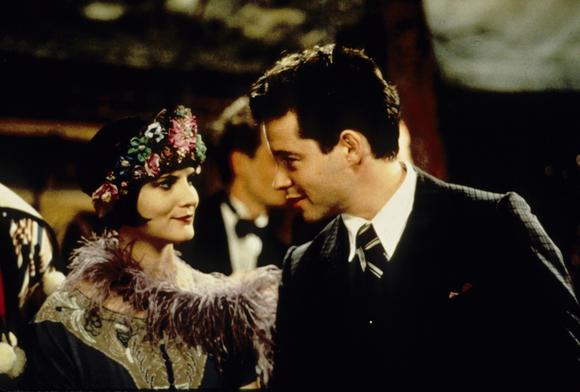
A reference to the 1994 biographical drama film, Mrs. Parker and the Vicious Circle, directed by Alan Rudolph. It stars Jennifer Jason Leigh as the writer and critic Dorothy Parker, and depicts the members of the Algonquin Round Table, otherwise known as the Vicious Circle. The film was a critical success, but not a commercial one.
As a huge Dorothy Parker fan, of course Rory would have watched this film. Matthew Broderick is also in the cast, who is apparently one of Rory’s favourites (or at least was when she was younger).
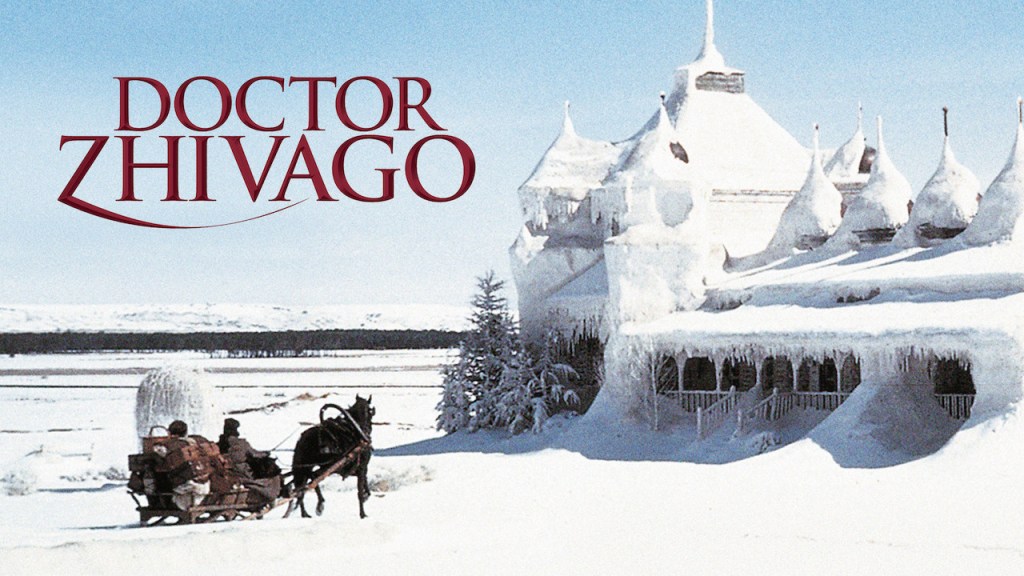
Lorelai arrives in a silver sleigh pulled by white horses
This actually doesn’t seem like a totally crazy idea for Lorelai’s wedding. Lorelai loves the snow, and she adores horses. She organised a horse-drawn sleigh ride for the Bracebridge Dinner, sharing a ride with Luke. It does sound very beautiful and romantic, and I think Emily has picked up on a least a couple of things her daughter would like.
Emily’s Russian-themed winter wedding may have been influenced by the 1965 historical romance film, Dr Zhivago, directed by David Lean, set in Russia during World War I and the Russian Civil War, and based on Boris Pasternak’s autobiographical novel of the same name. The film is beautifully shot and features a sleigh ride through the snow, as well as an “ice palace”.
Dr Zhivago was highly popular, especially with female audiences, the #2 film of the year, and a big influence on mid-1960s fashion. It may have even been Emily’s dream for her own wedding, which she hoped to one day create for her daughter.
In this episode, Emily becomes the first person to predict that Lorelai and Luke will be married one day, showing that she knows her daughter better than Lorelai believes.
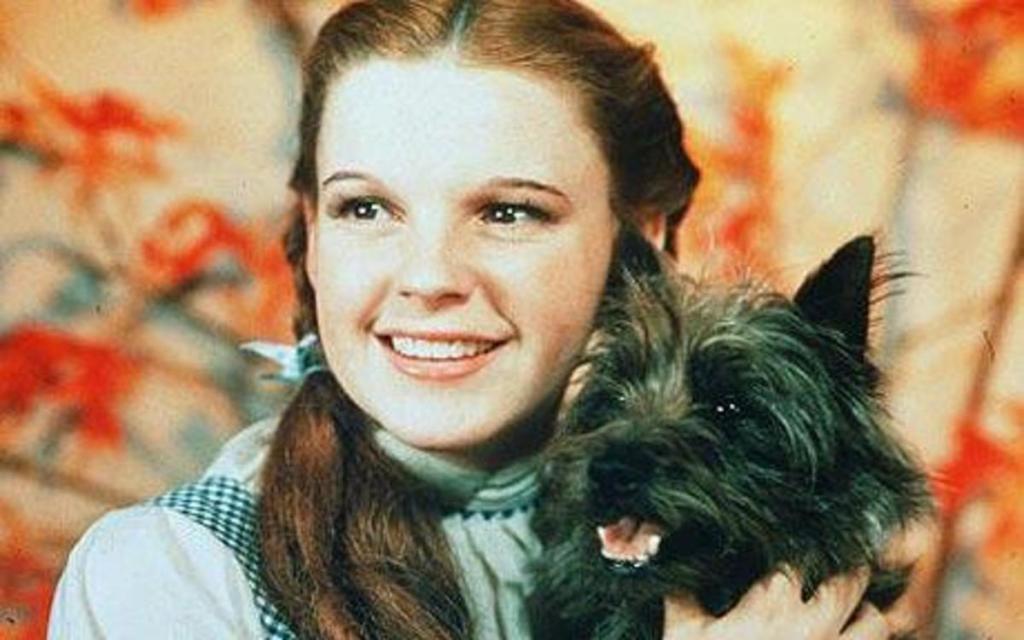
KIRK: He kicked my dog when I was a kid … Toto was always different after that.
Yet another reference toThe Wizard of Oz. Toto is the name of Dorothy’s little dog in both the book and the film. In the film, Toto was a female dog played by a brown Cairn Terrier named Terry. In the original book, Toto is only described as a small, black, scruffy male dog, but the illustrations depict what looks like a Yorkshire Terrier. It’s possible Kirk’s pet dog Toto, a female, was likewise some sort of small fluffy terrier.
Uncle Louie is made even more unpleasant by not only kicking a dog, but probably a very small dog.
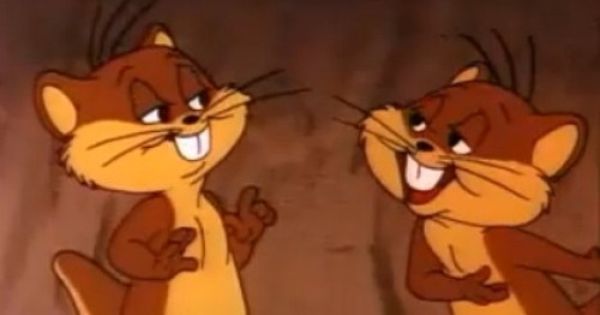
Mac and Tosh are the names of the two Goofy Gophers in the Warner Bros cartoons, created by Bob Clampett, and originally appearing in the 1947 short film The Goofy Gophers. The cartoon features the two gophers making frequent raids on a vegetable garden while tormenting the guard dog. They both speak in high-pitched stereotypical upper-class British accents.
They may have been intended as a spoof on the Disney chipmunk characters, Chip ‘n’ Dale, and their mannerisms and speech were patterned after the 1900s comic strip characters Alphonse and Gaston, drawn by pioneering cartoonist Frederick Burr Opper, where the jokes came from the ridiculous over-politeness of the French characters as they got on with each task. Another suggestion is that they were influenced by the British film Great Expectations, based on the Dickens novel, which was released in 1946, the year before the Goofy Gophers were created.
The pair’s dialogue is peppered with such over-politeness as “Indubitably!”, “You first, my dear,” and, “But, no, no, no. It must be you who goes first!”. They also tend to quote Shakespeare and use humorously long words.
The gophers only received names in a 1961 episode of the TV show, The Bugs Bunny Show – an obvious pun on the word mackintosh, meaning a raincoat.
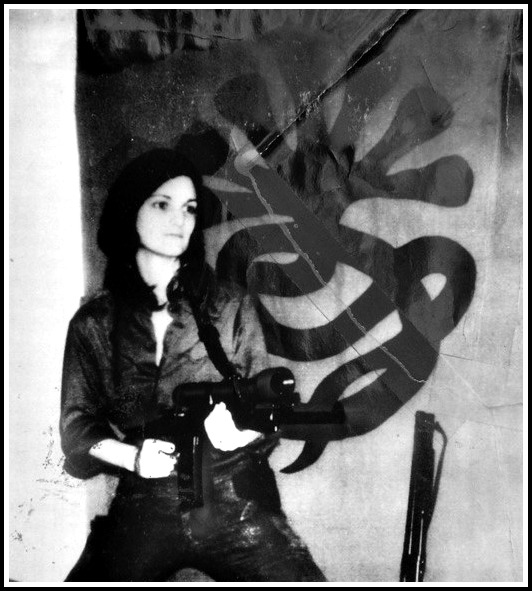
LORELAI: She’s brainwashed. She’s Patricia Hearst and my mother is the SLA.
Patricia Hearst (born 1954), author and actress, the granddaughter of publishing magnate William Randolph Hearst, previously mentioned. She is best known for being kidnapped from her Berkeley apartment in February 1974, when she was 19, by an urban guerilla left-wing group called the Symbionese Liberation Army. The kidnapping was partly opportunistic, as Hearst lived near the SLA hideout.
According to Hearst’s testimony, she was kept locked in a closet for weeks, given SLA literature to read by flashlight. Offered the choice between joining the SLA or being killed by them, she joined them, and was given daily weapon drills. Over the next 18 months, she took part in high-profile robberies and kidnappings as a member of the SLA.
Patricia Hearst was arrested in September 1975, her defence arguing that she had been brainwashed and was acting under duress. She was convicted in March 1976 and sentenced to seven years in prison. Her sentence was commuted by President Jimmy Carter, and she was released in February 1979. After release, she married a policeman who had been part of her security while on bail, brought out a memoir in 1981, and appeared in several films by John Waters.


 The Annotated Gilmore Girls