RORY: Eventually, maybe, but for now – solidarity, sister.
LORELAI: Ya ya!
RORY: You’ve been waiting for six weeks to do that, haven’t you?
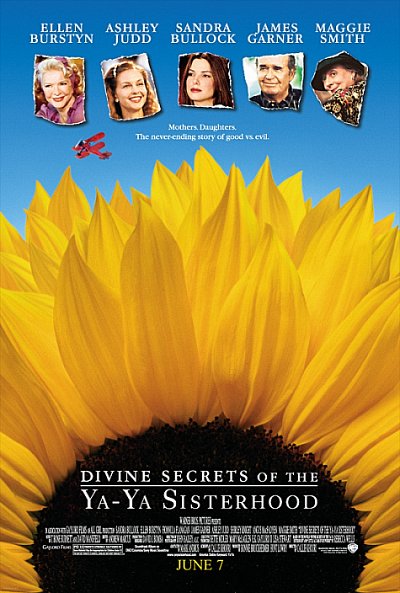
A reference to Divine Secrets of the Ya-Ya Sisterhood. The 1996 novel by Rebecca Wells has already been discussed as one that Rory (probably) read, but the comedy-drama film came out in June 2002, and it is undoubtedly this version which Lorelai has recently seen and refers to.
Divine Secrets of the Ya-Ya Sisterhood is directed by Callie Khouri, and stars Sandra Bullock and Ellen Burstyn as the daughter and mother in conflict. The film was a commercial success, but received mixed reviews, with critics feeling it was overly melodramatic and unoriginal.
SOOKIE: So how are you planning on telling [your parents about Christopher]?
LORELAI: I thought I’d do it like Nell. You know, chicka chicka chickabee.
Lorelai refers to the 1994 drama film Nell, directed by British director Michael Apted, and starring Jodie Foster as Nell Kellty, a young woman who has to face people for the first time after being raised by her mother in an isolated cabin. It is based on the play Idioglossia by Mark Handler, inspired by his experiences living in the Cascade Mountains in the Pacific Northwest, and by identical twins Grace and Virginia Kennedy (born 1970), who invented their own language. Their story is told in the 1980 documentary Poto and Cabengo (the twins’ own names for themselves).
In the film, Nell likewise speaks her own language in a strange and unique accent. She says “Chicka chicka chickabee”, which is her way of saying “dear one, beloved” (a variation on chickadee and chickabiddy, both used as endearments in some regions of the US).
Nell was a commercial success and received mixed reviews, with Foster’s performance being warmly praised.
SOOKIE: What do you think, manly [holding up statue]?
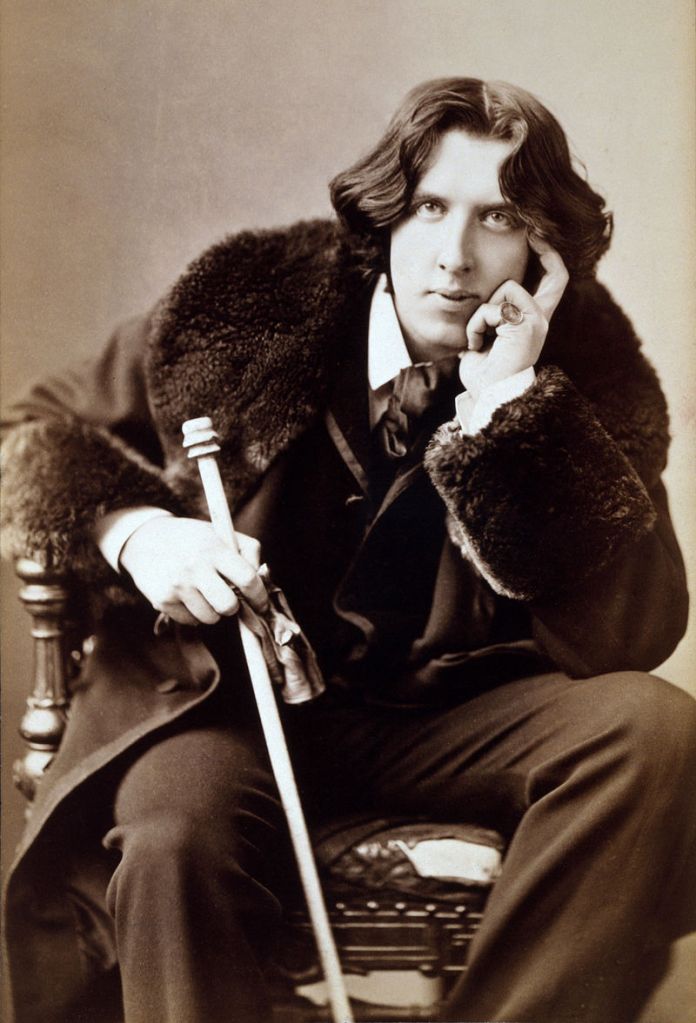
LORELAI: In an Oscar Wilde sort of way, absolutely.
Oscar Wilde (1854-1900), Irish poet and playwright, and one of the most popular playwrights in London in the early 1890s. Best remembered for his sparkling comedies, witty epigrams, and his only novel, The Picture of Dorian Gray (1890).
At the height of his fame and success, while his play The Importance of Being Ernest (1895) was still being performed in London, Wilde prosecuted the Marquess of Queensberry (the father of Wilde’s lover, Lord Alfred Douglas) for libel, but the trial unearthed evidence that led to Wilde’s arrest for indecency with men and boys. He was convicted and sentenced to two years’ hard labour, and imprisoned from 1895 to 1897. On his release, he left for France, and never returned to Ireland or Britain.
The statue that Sookie holds up appears to be a cherub or some other sort of nude small boy. It certainly doesn’t look butch, but Lorelai seems to be saying, not so much that the statue seems “gay”, as slightly paedophilic, because of the subject matter.
Oscar Wilde did take teenagers as young as fourteen as his lover, although to my knowledge, not small children like the statue seems to be (Wilde’s trial was based on his activities with males because of their gender, not specifically with their ages). The full details of Wilde’s case had been published in 2001, with many people shocked, or at least uncomfortable, with how extensive Wilde’s interest in much younger males had been – something which would have seen Wilde imprisoned in our time as well. This may be what Amy Sherman-Palladino had in mind when she wrote this scene.
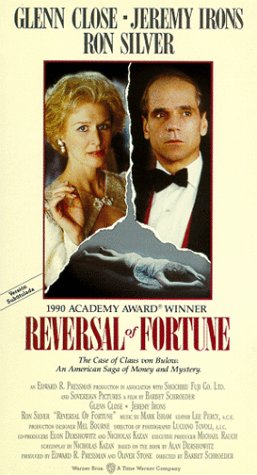
PARIS: I mean, women fall for men who are wrong for them all of the time, and then they get sidetracked from their goals. They give up careers and become alcoholics and, if you’re Sunny von Bülow, wind up in a coma completely incapable of stopping Glenn Close from playing you in a movie.
Martha “Sunny” von Bülow (born Martha Crawford, 1932-2008), heiress and socialite. Her second husband, Claus von Bülow (1926−2019), was convicted in 1982 of attempting to murder her by insulin overdose, but the conviction was overturned on appeal. A second trial found him not guilty, after experts testified that there was no insulin injection and that her symptoms were attributable to overuse of prescription drugs, combined with alcohol and diabetes. Sunny von Bülow lived almost 28 years in a persistent vegetative state from 1980 until her death.
The story was dramatised in the 1990 film Reversal of Fortune, directed by Barbet Schroeder, and based on the 1985 book of the same name by Claus’ lawyer, Alan Dershowitz. The role of Sunny is played by Glenn Close in the film. Reversal of Fortune received mostly positive reviews, and still has a very good reputation as a tantalising mystery and satire on the rich.
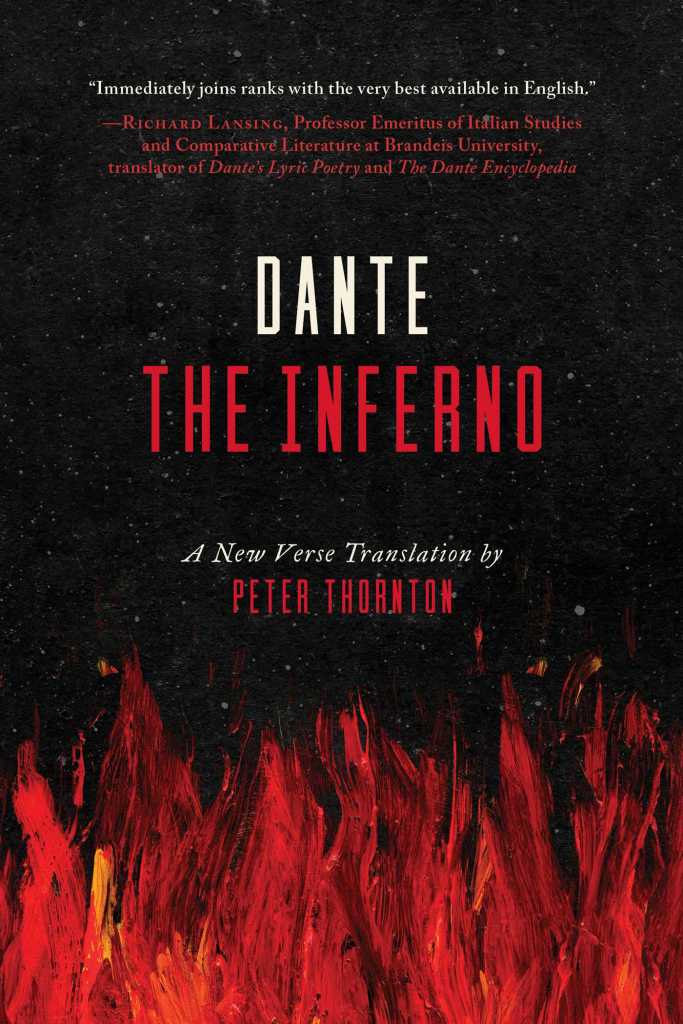
Rory references the Inferno, the first part of Italian writer Dante Alighieri’s 14th century epic poem, the Divine Comedy. The Inferno describes Dante’s journey through Hell, guided by the ancient Roman poet, Virgil. In the poem, Hell is described as nine concentric circles of torment located within the Earth.
It is not certain from this whether Rory has actually read the book, although it doesn’t seem unlikely that she has. There are circles of Hell in the poem, not “rungs”, and the fourth circle of Hell is for the miserly, the hoarders of wealth, and those who squandered it – not people gloating over relationship break ups (those are dealt with in the next part, the Purgatorio). However, that could very easily be a bit of artistic licence on Rory’s part.
Lorelai possibly gives away that she hasn’t read the poem when she says her feet won’t get cold. In fact, the final circle of Hell is a huge frozen lake. Hell does actually freeze over. The frozen lake is reserved for the traitors, who remain trapped in the ice, and in the very centre of the lake is Lucifer, who was a traitor to Heaven.
LORELAI: Aw, look at you, trying to make Mommy feel like you don’t spend every night tunneling out of here with a spoon.
Lorelai references Escape from Alcatraz, 1979 prison thriller film directed by Don Spiegel. It’s an adaptation of the 1963 non-fiction book of the same name by J. Campbell Bruce, and dramatises the 1962 prisoner escape from the maximum security prison on Alcatraz Island, off the shore of San Francisco.
The film stars Clint Eastwood as Frank Morris, an extremely intelligent criminal who forms an escape plan with a few other prisoners. Over the next few months, they dig through their cell walls with spoons, make papier-mache dummies to act as decoys, and construct a raft out of raincoats. The film implies the escape was successful, although that is not certain (recent evidence seems to suggest the men did survive).
Escape from Alcatraz was a commercial success and well received by critics. It is often considered one of the best films of 1979.




 The Annotated Gilmore Girls