“Hell hath no fury like a woman scorned”

PARIS: Hey, I’m the director and I’ll decide who’s born to be what, and Brad is Romeo.
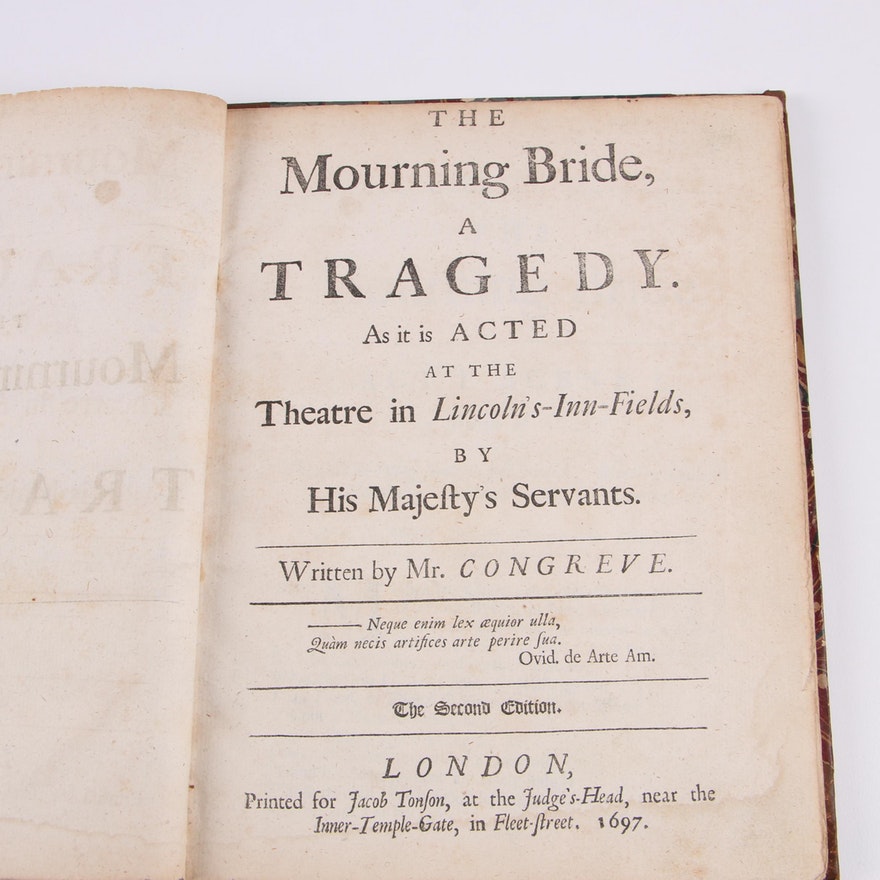
LOUISE: Hell hath no fury like a woman scorned.

A popular misquote from William Congreve’s 1697 play, The Mourning Bride, previously discussed. The quote is often wrongly attributed to Shakespeare, and as they are currently studying Shakespeare, I think this is meant to imply that Louise is one of those people who use the quote without understanding its origin or context. It’s the second time she has used it against Paris.

Louise is correct that Paris is barring Tristan from being Romeo out of pique that he didn’t want to date her more than once. Paris does eventually give in and give the part of Romeo to Tristan, although she clearly doesn’t have much faith that he will stick with the project until the end (her lack of confidence in him turns out to be well-founded).
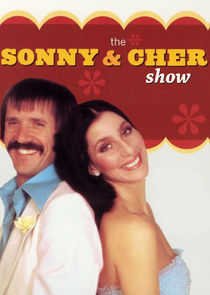
Richard III, The Sonny and Cher Show

PROFESSOR ANDERSON: Last year, we did Richard III. One group did their scene as the Mafiosi. Another set theirs during the Roman Empire. And my favorite, the climactic last scene was set during the final days of The Sonny and Cher Show. Just remember, whatever interpretation you choose should highlight the themes you see in the scene. And if the love of the Bard’s language still doesn’t inspire you, remember this will be fifty percent of your final grade.

Richard III is a historical tragedy by William Shakespeare, probably written around 1593. It is one of the longest of his plays, and is often abridged for performances. It is about King Richard III of England, depicted in the play as an ugly hunchback and an absolute villain. The final scene is set at the Battle of Bosworth, when Richard’s supporters desert him; he is killed by the Earl of Richmond, who claims the throne as Henry VII.

The Sonny and Cher Show was a 1976-77 television variety show with music and comic sketches, which followed on from The Sonny & Cher Comedy Hour (1971-74), The Sonny Comedy Revue (1974), and Cher (1975). Sonny and Cher got divorced, hence the separate shows, but with the bitterness of their divorce behind them, they came back with another show made together, although slightly more subdued in tone. Variety shows were on their way out, and the final few episodes were quickly aired in a late-night Monday evening time slot – this would have been the “final days” of the show. In the last episode, Tina Turner was the guest star.

The Shakespeare Project

PROFESSOR ANDERSON: Believe it or not, Shakespeare probably never intended his plays to be read by students sitting at desks more concerned with getting As than with the fate of Macbeth. His plays were meant to be experienced, lived. So with that in mind, together with my third period Shakespeare, you’ll be split up into five groups and each group will assume responsibility for one act of Romeo and Juliet, which will be performed a week from Sunday. You will nominate the director, you will cast the scene, rehearse the scene, and interpret the scene in your own individual manner.

This is the main plot of this episode, revolving around the group project that Rory’s class is doing for English Literature (?). Her new teacher is Professor Anderson, according to the credits, so she no longer has Mr Medina, like at the start of this year. I’m not sure if he’s just conveniently faded out of the picture (like Mr Remmy did), or if Professor Anderson is teaching English instead.

Professor Anderson references Macbeth, previously discussed, a callback to it last being mentioned when Rory had to do a project outside class with Paris, Madeline and Louise. The project is focused on Romeo and Juliet, previously mentioned, a play which has become a touchstone for Gilmore Girls.

Holden Caulfield

RORY: All [Luke] does is stick up for you and all you do is make his life harder. I guess that’s what you have to do when you’re trying to be Holden Caulfield, but I think it stinks.

Holden Caulfield is the seventeen-year-old protagonist of J.D. Salinger’s 1951 novel, The Catcher in the Rye. Since the book’s publication, he has become an icon for teenage rebellion and angst.

To Kill a Mockingbird

RORY: You did it [the chalk outline]. The whole town knows you did it. They had a meeting about it.
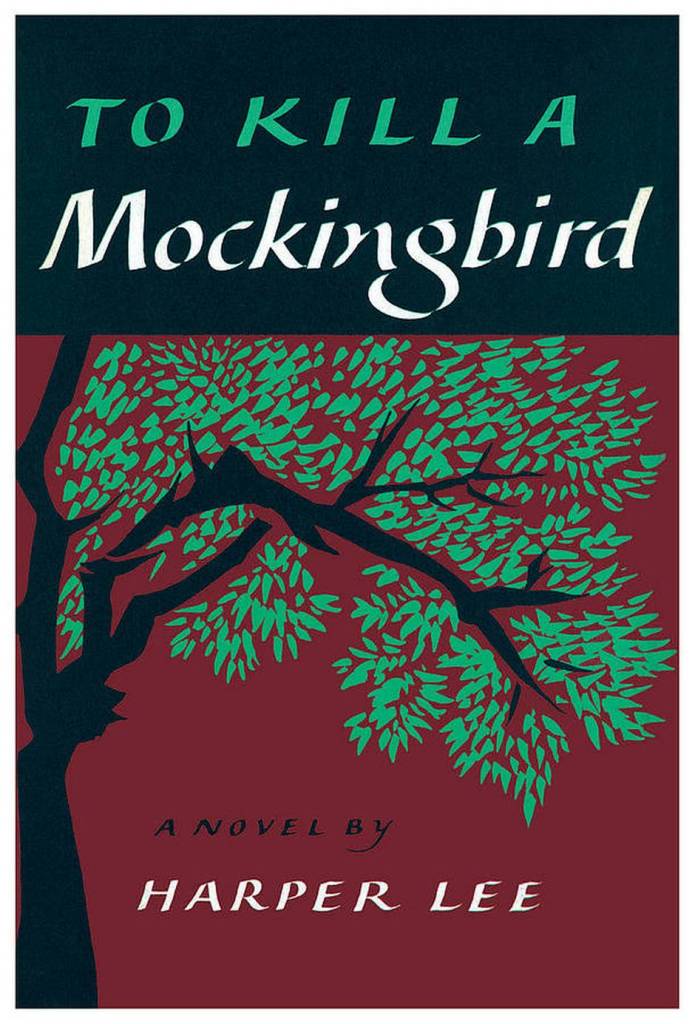
JESS: You actually went to that bizarro town meeting? Those things are so To Kill a Mockingbird.

To Kill a Mockingbird, the 1960 novel by American author Harper Lee, previously mentioned. The novel is set in the fictional Alabama town of Maycomb during the Great Depression, and focuses on small town prejudices, traditions, and taboos. The book made an immediate sensation on publication, won the Pulitzer Prize, and became a bestseller. One of America’s most beloved novels (and a great favourite worldwide), it is often set as a text in high schools.

Note that Jess uses the word “bizarro”, just as Lorelai has done.

Paul Revere

LORELAI: It shouldn’t be too flashy.
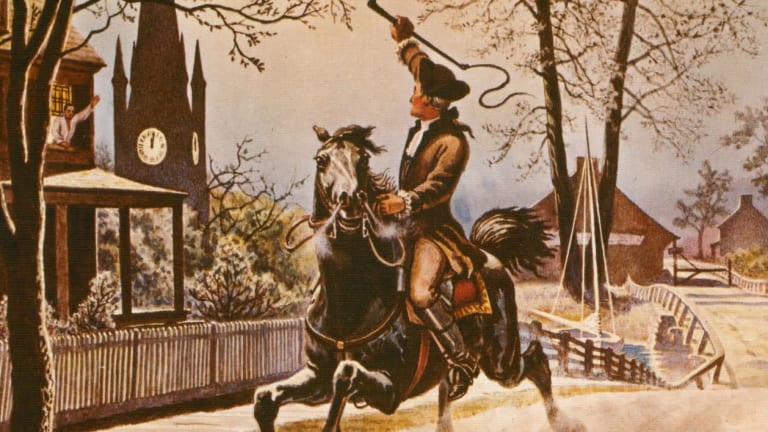
SOOKIE: How about something historical, like ‘The Paul Revere’?

Paul Revere (1735-1818) was a Boston silversmith and patriot of the American Revolution. He is best known for his midnight ride to alert the colonial militia in 1775 to the approach of the British forces before the battles of Lexington and Concord. It was dramatised in Henry Wadsworth Longfellow’s 1861 poem, Paul Revere’s Ride, which significantly increased Revere’s stature, and made him part of American legend.

“Warning, warning … Danger, Will Robinson, danger!”

EMILY: So do I. We really ought to do something.
RORY: Yes, I agree.
LORELAI: Warning, warning.
EMILY: I’m glad to hear you say that Rory, because I thought of a wonderful way to cheer him up.
RORY: Cool, what?
LORELAI: Danger, Will Robinson, danger!

Lorelai is referencing the science-fiction television series Lost in Space (1965-1968). Inspired by the 1812 novel The Swiss Family Robinson, it followed the adventures of the Robinson family, pioneering space colonists, struggling to survive in the depths of space.

Will Robinson (played by Bill Mumy) was the youngest member of the family, a precocious nine-year-old who was a whizz with electronics and computers. He was accompanied by a robot (played by Bob May, voiced by Dick Tufeld), who was tasked with protecting Will. His catchphrases to alert Will when faced with potential hazards were, “Warning, warning”, and “Danger, Will Robinson, danger”.

The series received reasonable ratings and its catchphrases became part of popular culture, although never given much respect as a work of science-fiction. It was adapted into a film in 2004, and rebooted as a television series on Netflix (2018-2021).

Ya-Ya Sisterhood

RORY: And the next thing I know, I’m being pulled out of my bed in the middle of the night and I’m blindfolded and then before I know it, I end up here with the Ya-Ya Sisterhood, reciting poetry and lighting candles, and now I’m gonna be suspended because I was trying to do what you told me?

Rory is referring to the 1996 novel, Divine Secrets of the Ya-Ya Sisterhood, by American author Rebecca Wells, the sequel to a 1992 short story collection, Little Altars Everywhere. The story is about the disintegrating relationship between an unusual mother and daughter named Vivi and Sidda.

While Sidda is holed up in a cabin the woods to think things through, Vivi’s childhood friends intervene to bring the pair back together by convincing Vivi to mail Sidda her childhood scrapbook, Divine Secrets of the Ya-Ya Sisterhood – the Ya-Ya Sisterhood being the secret society Vivi and her friends formed in 1930s Louisiana, in rebellion against Southern social codes of the times. The Ya-Ya Sisterhood devised its own bizarre initiation rites, based on an imaginary Native American mythos.

The novel was well reviewed and reached #1 on the New York Times Best Seller List. It was famous enough that Rory doesn’t need to have read it to know about it, but I can’t see any reason why she wouldn’t have. The focus on a powerful but flawed mother-daughter relationship would surely have attracted both Lorelai and Rory to the novel. Rory’s derogatory comment might suggest that if she did read it, she didn’t think much of it.

The book was made into a film starring Sandra Bullock which was released in June 2002, but Rory can’t be referring to that, because it hasn’t happened yet.

“Sing out, Louise”

RORY: I pledge myself to the Puffs, loyal I’ll always be …
FRANCIE: Sing out, Louise.

Francie is quoting from the 1962 musical comedy-drama film Gypsy, based on the 1959 stage musical, Gypsy: A Musical Fable, adapted from the 1957 autobiography Gypsy: A Memoir by burlesque entertainer Gypsy Rose Lee.

The film is about a domineering stage mother named Rose Hovick (Rosalind Russell), who drags her beautiful, gifted daughter June, and June’s shy, less-talented older sister Louise (Natalie Wood) around the country in her efforts to get them noticed. When June rebels and elopes, all of Rose’s efforts are poured into the seemingly impossible task of making Louise a star.

In the film (or the musical, originally starring Ethel Merman as Mama Rose), Rose makes her entrance by shouting, “Sing out, Louise!”, during her daughter’s audition. Francie is likewise encouraging the mumbling Rory to speak up while she recites her pledge.

In the film, the awkward Louise unexpectedly finds success as a burlesque star under the name Gypsy Rose Lee, which is what allows her freedom from her mother at last – a hint that shy Rory will find her own way to escape Francie’s clutches.