“That kid from The Courtship of Eddie’s Father”

DAVE: Yeah, now their front-man’s that kid from The Courtship of Eddie’s Father.

When the Dead Kennedys reformed in 2001, Brandon Cruz replaced Jello Biafra as lead vocalist. A Californian surfer and skater, Cruz had been the frontman for punk band Dr. Know in the 1980s. Brandon Cruz left the Dead Kennedys in 2003.

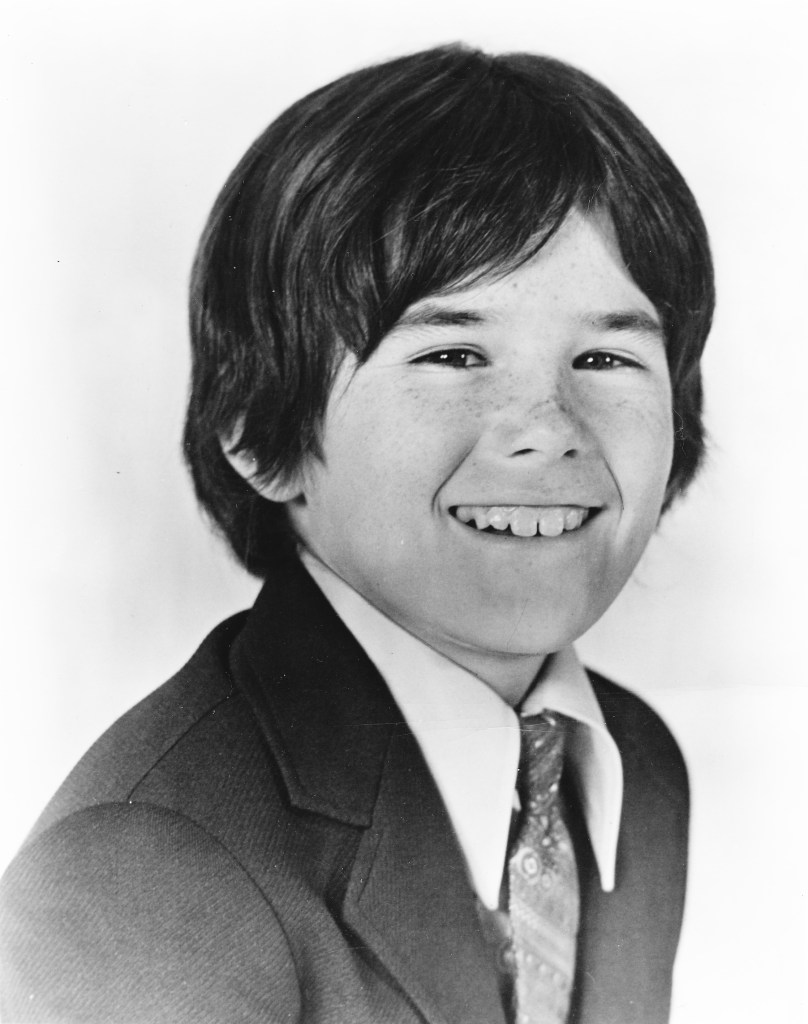
Brandon Cruz (born 1962) is best known for his days as a child actor, playing Eddie Corbett on the sitcom The Courtship of Eddie’s Father (1969-1972), with Bill Bixby playing his dad. He continued working as a child actor for several years after the sitcom was cancelled. Cruz won a Former Child Star Lifetime Award from the Young Artist Foundation in 1991, and has worked as an assistant editor on animated TV series South Park.

Jello Biafra predictably did not approve of his replacement, describing the new incarnation of Dead Kennedys as “a karaoke band”.

[Picture shows Brandon Cruz in 1972]
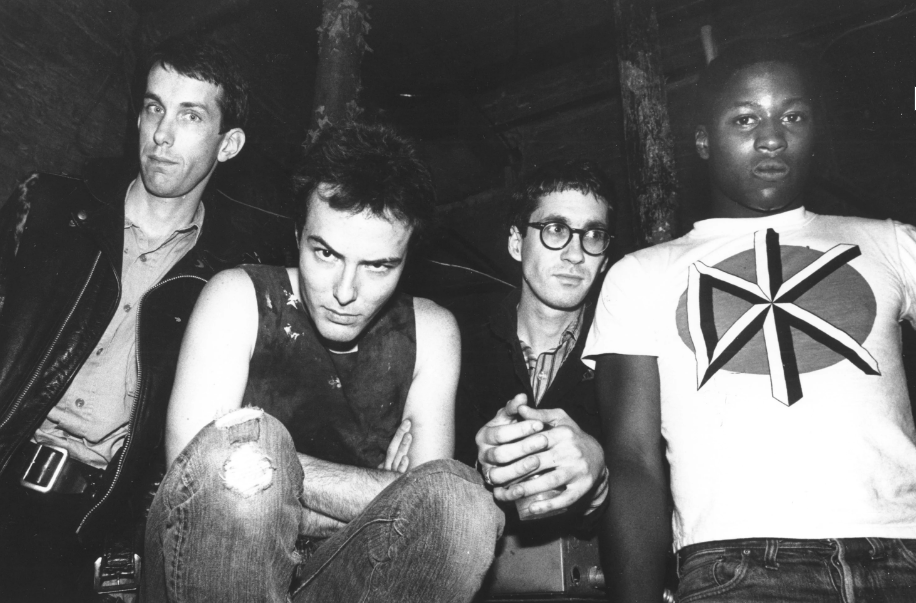
Dead Kennedys and Jello Biafra

LANE: But how’d you know I was me?

DAVE: The Dead Kennedys shirt was a tip off.

LANE: Good thinking. Hey, uh, isn’t it a drag that Jello Biafra isn’t singing for them anymore?

Dead Kennedys, punk rock band formed in San Francisco in 1978 with its classic line-up of Jello Biafra (lead singer), East Bay Ray (guitar), Klaus Fluoride (bass), and D.H. Peligro (drums). One of the defining hardcore punk bands, their lyrics were usually political in nature, satirising political figures, authority, popular culture, and punk itself. From 1978 to 1986 they attracted controversy for their provocative lyrics and artwork. They released four albums and one EP before disbanding acrimoniously in 1986.

Jello Biafra (born Eric Boucher in 1958), former lead singer and songwriter for the Dead Kennedys. In the mid-1980s, Biafra became an active campaigner against the Parents Music Resource Center, a committee formed in 1985 with the goal of increasing parental control over the access of children to music, via labelling music with Parental Advisory stickers. Biafra’s campaigning culminated in an obscenity trial between 1985 and 1986, which resulted in a hung jury.

In 2000, Biafra lost a legal case initiated by his former Dead Kennedys bandmates over songwriting credits and unpaid royalties. In 2001, the band reformed without Biafra. Although Dead Kennedys have continued to perform live over the years, they have not released any new material since the release of their fourth studio album, Bedtime for Democracy, in 1986.

[Picture shows Dead Kennedys in the early 1980s; Jello Biafra is second on the left]

Lane Meets Dave Rygalski

DAVE: Excuse me, Lane?

LANE: That’s me.

DAVE: Okay, great, I’m Dave Rygalski.

LANE: Right, hi. You’re a guitarist.

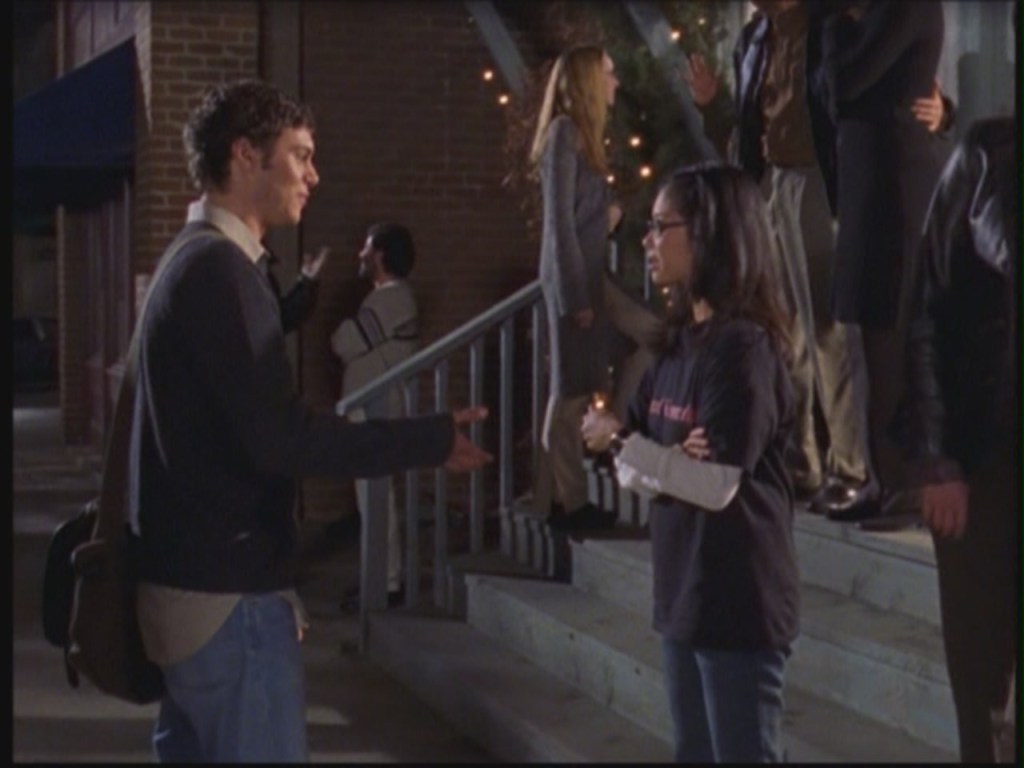
In this scene, Lane meets Dave Rygalski, who answered her ad because he has a band that needs a drummer. He almost immediately becomes her love interest.

The character of Dave is based on the real life Dave Rygalski, the husband of Helen Pai, producer on Gilmore Girls, who the character of Lane is based on. The real Dave Rygalski has been a writer for Jay Leno and David Letterman, and also plays guitar, just like his fictional namesake. He has been in a few bands, and played some of the music for Lane’s band on Gilmore Girls.

On the show, Dave Rygalski is played by Adam Brody. At this stage, Brody had played Barry Williams in the TV film, Growing Up Brady, and been Greg Brady in an episode of The Amanda Show. Like several other actors on Gilmore Girls, he’d also been in Judging Amy, another show about mothers and daughters set in Connecticut – he played a guy called Barry Gilmore!

There has already been a character named Rygalski on Gilmore Girls – a bank manager in Hartford where Lorelai tried to get a loan was Mr Rygalski. Quite possibly this is Dave’s father.

It seems a bit unlikely that Lane is available to meet Dave on a Saturday night – as a Seventh Day Adventist, she has church on Saturday, and when Lane asked her mother for permission to go out on a Saturday night after church, Mrs Kim told her that after church she should be thinking about what she learned in church. However, perhaps has mother has softened slightly, or Lane is allowed out to see Rory.

“Holed up in the Chelsea”

RORY: I don’t know. Your parents just made it sound like . . .

CAROL: Like I was holed up in the Chelsea with a needle sticking out of my arm screaming “Sid” at the top of my lungs?

A reference to Nancy Spungen (1958-1978), American girlfriend of English punk rocker Sid Vicious, and a figure of the 1970s punk rock scene. The two of them were habitutal heroin users, and eventually Nancy’s body was found in the bathroom of their room at the Hotel Chelsea in New York, stabbed to death. Sid Vicious died of an overdose before he could be brought to trial.

Their story is told in the film Sid and Nancy, previously discussed [pictured]. Carol seems to have all the same references as Lorelai as well.

Stalking Tom Waits

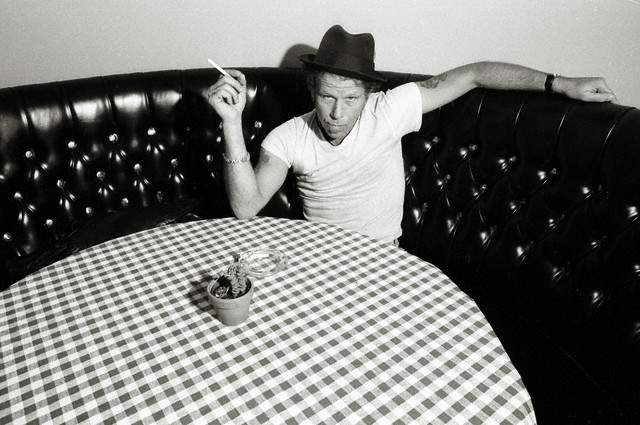
CAROL: I worship [Tom Waits]. I even mildly stalked him once … Last year, I heard he was staying at this hotel so I went there everyday and sat in the lobby, drinking massive amounts of coffee, waiting for him to walk by.

I can barely speculate which hotel Tom Waits could have been staying in the previous year. The only concert he had in 2001 was one in his home town of San Francisco, and he took a trip to Copenhagen in Denmark early in the year. He attended the ASCAP Awards at the Beverly Hilton in May, which might be what Carol is referring to (if so, she was in Los Angeles at the time for some reason – where the Palladinos live, probably not coincidentally).

Like Lorelai, Carol worships Tom Waits and drinks huge amounts of coffee. Her mild stalking of Waits at a hotel is replicated later by Lorelai, who stalks Bono at his hotel in exactly the same way.

Big in Japan

This is the music that Rory hears coming from Carol’s bedroom.

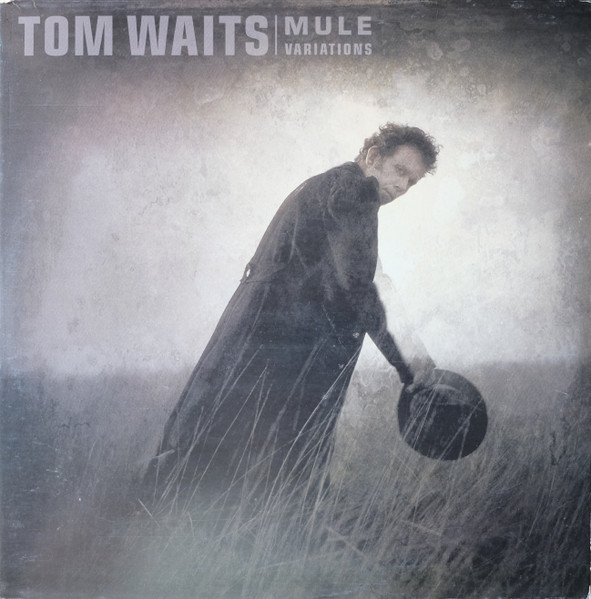
“Big in Japan” is the opening track on the 1999 Tom Waits album, Mule Variations. The album received widespread critical acclaim and was a modest commercial success, going to #30 in the US, #9 in the UK, and most popular in Norway at #1. Ironically, it wasn’t big in Japan, and didn’t chart there. Mule Variations won a Grammy for Best Contemporary Folk Album, and is regarded as one of the greatest albums of all time.

“Istanbul is Constantinople”

LORELAI: I do know Instanbul is Constantinople, so if you’ve got a date in Constantinople, she’ll be waiting in Instanbul.

Lorelai refers to the 1953 novelty song “Istanbul (Not Constantinople)”, with lyrics by Jimmy Kennedy and music by Nat Simon. Written on the 500th anniversary of the fall of Constantinople to the Ottomans, the lyrics humorously refer to the official renaming of the Turkish city Constantinople to Istanbul. It’s said to be a response to the 1928 song “C-O-N-S-T-A-N-T-I-N-O-P-L-E”, recorded by Paul Whiteman and His Orchestra.

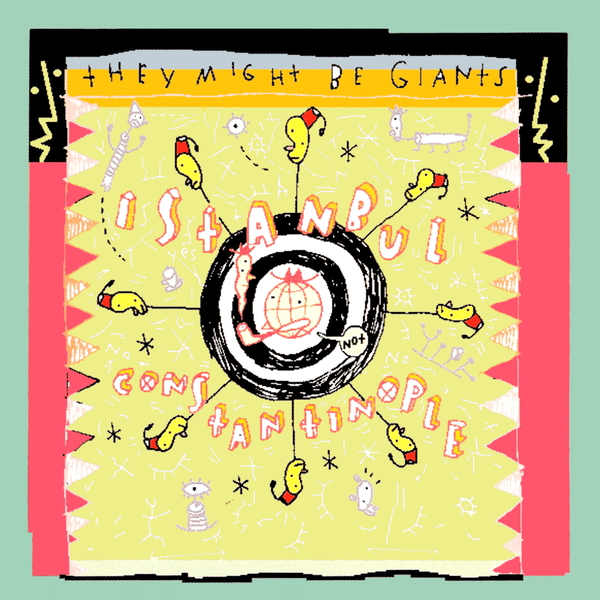
It was originally recorded by Canadian vocal group The Four Lads and peaked at #10 on the charts, becoming their first gold record. It’s been covered several times, and Lorelai might be thinking of the 1990 version by alternative rock band They Might Be Giants, from their album Flood. Released as a single, it went to #61 in the UK, and has been used on the soundtracks of several animated series, including Liquid Television and Tiny Toon Adventures in the 1990s.

The song is a part of the repertoire of the Yale a capella group, The Duke’s Men of Yale. As we later discover that Richard was in a different a capella group at Yale, is it possible Lorelai first learned the song from her father?

Chopin, Padarewski

DARREN: Jack, which Polish composer –

JACK: Chopin!

DARREN: Patience . . . became Prime Minister of his country?

JACK: Paderewski.

Frédéric Chopin, born Fryderyk Chopin (1810-1849), Polish composer and virtuoso pianist of the Romantic period, who wrote primarily for solo piano. He was one of the earliest musical celebrities, and he has maintained his reputation as a poetic genius and one of the great musicians of his generation.

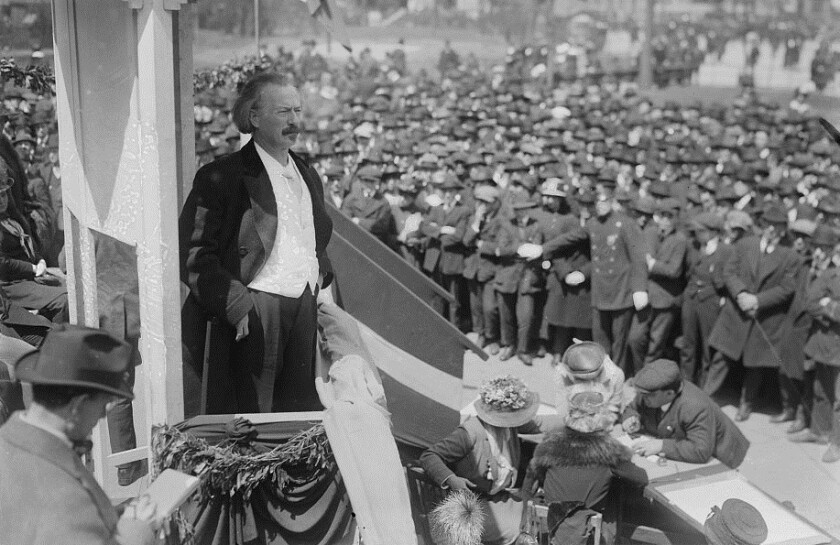
Ignacy Jan Padarewski (1860-1941) [pictured], Polish pianist and composer who became a spokesman for Polish independence. He was appointed prime minister in January 1919, and signed the Treaty of Versailles, which ended World War I. He resigned in November 1919, and continued his musical career, rarely visiting Poland again.

Ish Kabiddle

RORY: Ish Kabibble.

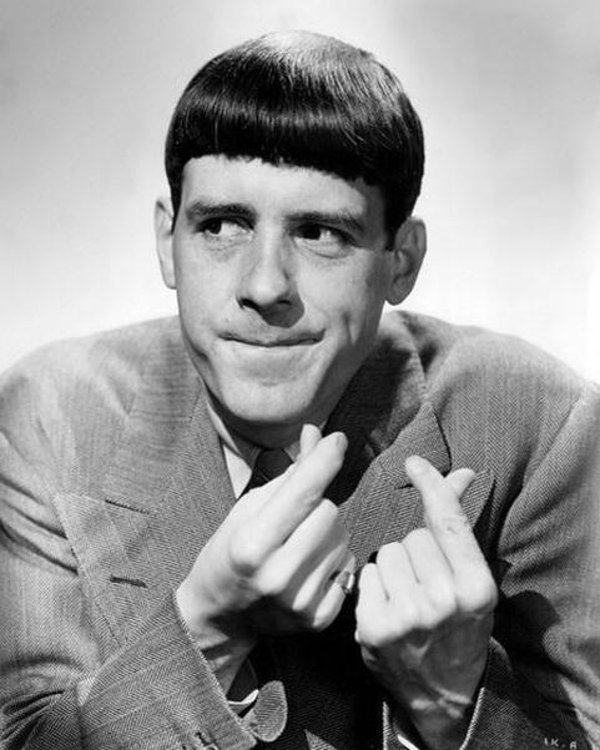
Ish Kabibble, born Merwyn Bogue (1908-1994), comedian and cornet player. He appeared in ten films between 1939 and 1950, and although his stage persona was a gangly goofball, he was also a notable cornet player. He performed with bandleader Kay Kyser, and was the manager for the Kay Kyser Orchestra. After the band broke up in 1950, he worked as a solo act until 1961, when he became a real estate agent. He has become an icon of American comedy, often referenced in popular culture.

His stage name came from the lyrics to one of his comic songs, “Isch ga-bibble.” It’s a mock-Yiddish expression, supposedly meaning, “I should worry?”. In fact, it isn’t Yiddish at all, although there’s a Yiddish phrase nisht gefidlt meaning “it doesn’t matter to me,” from which the term “isch ga-bibble” may have been derived.

I’m not sure if Rory is simply answering one name from Jewish culture with another, or if she is literally saying, “I’m not worried”, or “It doesn’t matter right now”.

Farmer John, The Butcher Lazar Wolf

LORELAI: So what do we call this guy, alumnus Darren, you know, like you’d say Farmer John or the butcher Lazar Wolf?

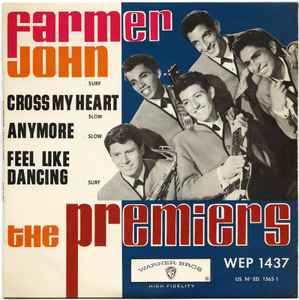
Farmer John: a 1959 song about marrying a farmer’s daughter, written and recorded by R&B duo Don and Dewey (Don “Sugarcane” Harris and Dewey Terry). It didn’t get much attention, but was reinvigorated in 1964 by garage rock band The Premiers, whose raw party sound made the song popular, reaching #19 on the charts. It has been covered since several times, including by Neil Young, where it appears on his 1990 album, Ragged Glory.

The Butcher Lazar Wolf: a character from the musical Fiddler on the Roof, previously discussed. The wealthy widower and butcher of the village.