RORY: The panelists are up there. We sit across from them and ask questions. What’s the problem?
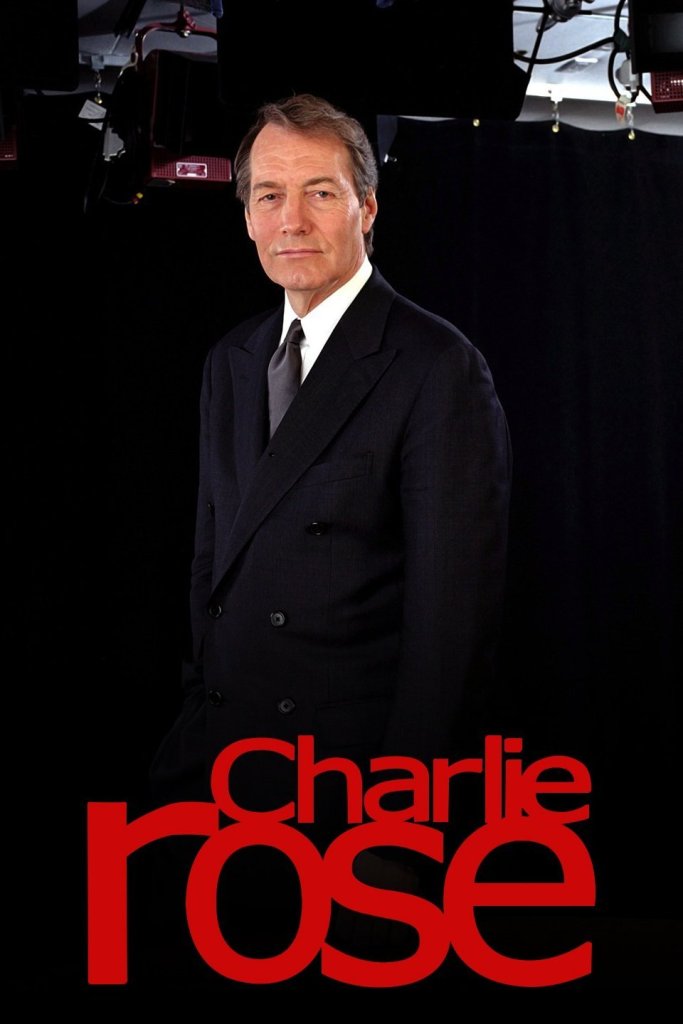
PARIS: It’s boring and predictable and done to death. I wanted Charlie Rose.
RORY: To ask the questions?
PARIS: His style. I wanted us sitting at a round table with black backdrops.
Charlie Rose, previously discussed. Apparently Paris is a fan of his show, as well as Lorelai. This now the third time Charlie Rose has been mentioned in Gilmore Girls.
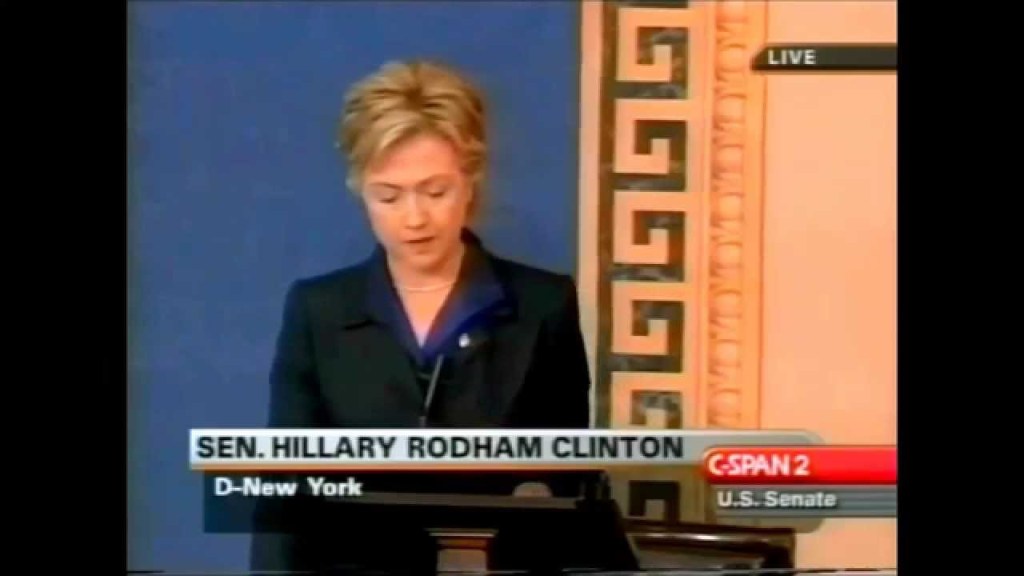
RORY: It’s not due for weeks, and I already have my essay topic picked out … Hillary Clinton … She’s so smart and tough and nobody thought she could win New York but she did and she’s doing amazing, and have you heard her speak?
DEAN: Only when you’ve played me the thousands of hours of C-SPAN footage you taped.
RORY: She’s a great speaker, strong and persuasive, with a wonderful presence, and even those suits of hers are getting better.
Hillary Clinton, previously discussed. We now discover Rory is a complete fangirl of hers.
C-SPAN, Cable-Satellite Public Affairs Network. Cable and satellite television network created in 1979 by the cable television industry as a nonprofit public service. It televises many proceedings of the US federal government, as well as other public affairs programs.
Note that Dean has to watch hours of C-SPAN footage taped by Rory, but she wouldn’t watch BattleBots with him until he went to her debutante ball as her escort. Maybe she also pays him back in some way (or she considers just going out with Dean enough of a big favour?).
Rory seems to think the word “chores” sounds very rural and folksy. Unlike Dean, Rory doesn’t have regular chores – as it’s just she and Lorelai (and they both have work/school), she takes an almost equal share of the household tasks. It’s never made clear how Lorelai and Rory divide up jobs around the house, but they’re rarely shown arguing about it or even discussing it, and they have a relaxed approach in any case.
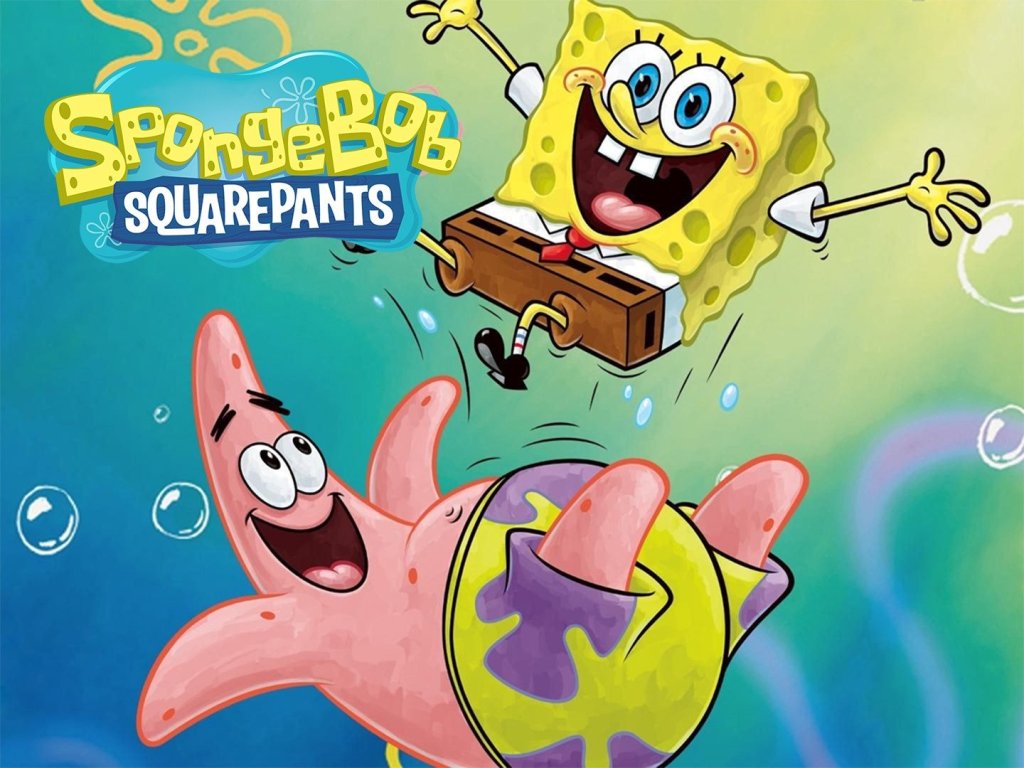
LORELAI: Oh, they want a picture. How about the one of us sticking our heads through the carved out holes of Johnny Bravo and SpongeBob Squarepants?
Johnny Bravo, animated romantic comedy TV series created by Van Partible for Hanna Barbera which aired on the Cartoon Network from 1997 to 2004. The series focuses on Johnny Bravo (voiced by Jeff Bennett), a dim-witted Elvis-esque womaniser who lives with his mother. Episodes revolve around Johnny asking women on dates, although his advances are usually comically rejected, sometimes violently. The comedy derives mostly from celebrity guest star appearances and pop culture references, as well as adult humour – you can see why Rory and Lorelai would be fans of the show! Johnny Bravo helped launch the career of Seth MacFarlane, creator of Family Guy – you can see why writer Daniel Palladino mentions it, as he worked with MacFarlane.
SpongeBob SquarePants, animated surreal comedy TV series created by marine science educator Stephen Hillenburg for Nickelodeon, based on an unpublished educational comic book Hillenburg created in 1989 to teach his students about undersea life. The show revolves around a cheerful yellow sea sponge called SpongeBob SquarePants who lives in the fictional city of Bikini Bottom, beneath the real-life Bikini Atoll in the Pacific Ocean. Here he works as a cook at a fast food restaurant called the Krusty Krab, and interacts with other undersea characters. The show first began in 1999 and is still running, having won numerous awards and inspired an acclaimed Broadway musical, which opened in 2017.
Rory and Lorelai presumably had this photo taken during one of Stars Hollows many festivals. Note that Lorelai immediately suggests sending Harvard a photo of both she and Rory together, as if they are one person, or as if Lorelai will be attending Harvard by proxy.
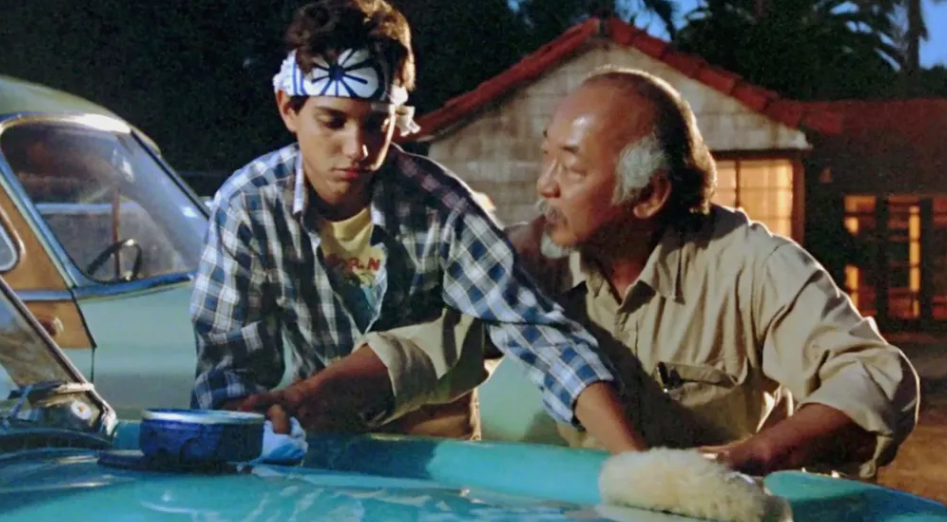
Rory quotes from the 1984 martial arts drama film The Karate Kid, directed by John G. Avildsen, and written by Robert Mark Kamen, who had earlier success with his screenplay for the 1976 boxing film, Rocky. It stars Ralph Macchio as karate student Daniel LaRusso, and Pat Morita as his mentor, Mr. Miyagi. The film was a commercial success, becoming a sleeper hit, and the #5 film of 1984. It received positive reviews, and launched Macchio’s career, while revitalising Morita’s, who had mostly been known for his comedic role as Arnold onHappy Days. It has also been credited with popularising karate in the US.
Mr Miyagi is the handyman in Daniel’s apartment, and when he defends Daniel from bullies with his unexpected karate skills, Daniel asks him to teach him karate. However, to his dismay, at first all Mr Miyagi does is give him chores to do, such as waxing his car – instructing Daniel how to do so with the words, “Wax on, wax off”.
Only later does Daniel realise that all the chores (waxing, sanding, painting) are teaching him the hand movements for karate and giving him muscle memory. Thus he learns to trust his mentor, knowing that even the seemingly mundane tasks he is given are a valuable part of his training.
Rory says this line teasingly to Lane, to remind her that every line she puts in her band advertisement has to be paid for out of her wages, and that if she’s going to make the ad really long, she’d better start waxing more tables. Rory is being realistic – Lane’s advertisement is ridiculously long and expensive!
It’s possible that on a deeper level, this quote from The Karate Kid is also saying that Mrs Kim is the Mr Miyagi to Lane’s Daniel. Although Lane’s mother seems harsh and stern, she is actually teaching her daughter some valuable lessons. Lane is certainly not afraid of hard work, and has a strong work ethic, which can only be of help in learning and practising music. And the Kim’s house is filled with music – religious music, but at least Lane has been brought up to listen to it. This could be a tiny hint that Mrs Kim is not a complete monster, and has had at least some positive effects on Lane’s musical aspirations.
LORELAI: Or one of your authors, Faulkner or . . .
RORY: Or Sylvia Plath.
LORELAI: Hm, might send the wrong message.
RORY: The sticking her head in the oven thing?
LORELAI: Yeah. Although she did make her kids a snack first, shows a certain maternal instinct.
William Faulkner (1897-1962), previously mentioned, writer known for his novels and short stories set in the fictional Yoknapatawpha County of Mississippi, based on the real Lafayette County of that state. William Faulkner spent most of his life in Oxford, Mississippi, which in his works is renamed Jefferson. The winner of the 1949 Nobel Prize for Literature, he is one of the most celebrated American authors, and widely considered the greatest writer of Southern Literature.
Sylvia Plath (1932-1963) [pictured], previously mentioned several times, poet, novelist, and short-story writer, best known for her confessional poetry, as well as her 1963 novel The Bell Jar, previously discussed. Her posthumous 1982 Collected Poems won the Pulitzer Prize. Clinically depressed for most of her life, she killed herself by gassing herself in the oven. Before she did so, she made her sleeping children (two year old Frieda and one year old Nicholas) a snack of bread and butter, opened their bedroom window, and put tape and towels around the door in an effort to protect them from the fumes. Sadly, her suicide seems to have often become a punchline in television comedy, as with this example.
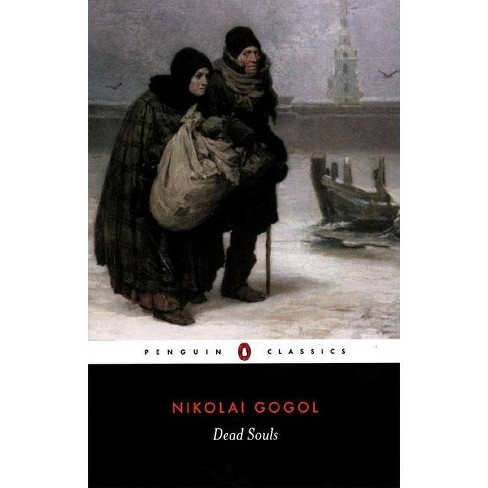
RORY: Oh, geez. Let the record show that when my application to Harvard arrived, we were watching The Brady Bunch Variety Hour … Man, this morning I was reading Dead Souls – it couldn’t have come then?
Dead Souls, a 1842 novel by Russian author Nikolai Gogol, widely regarded as a classic of Russian literature. The novel chronicles the adventures of a mysterious traveller and the people he encounters, and was intended to represent a modern-dayInfernoof Dante’s Divine Comedy.
Gogol himself saw his work as an “epic poem in prose”, and within the book characterised it as a “novel in verse”. Gogol intended the novel to be the first part of a three-volume work, but burned the manuscript of the second part shortly before his death. Although the novel ends in mid-sentence, it is regarded by some as complete. It is very possible that Rory is reading Dead Souls for English Literature at school.
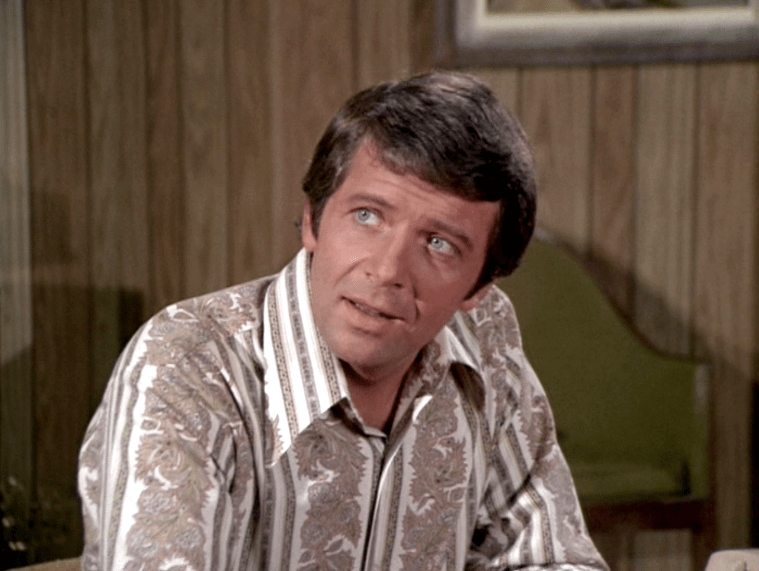
LORELAI: Are you sure that’s not just the sight of Robert Reed in the tight clown pants?
Robert Reed, born John Robert Rietz Jr (1932-1992), actor best known for playing father Mike Brady in The Brady Bunch, and its various specials and spin-offs. From the very beginning, Reed was unhappy with his role as Mike Brady, feeling that the show was far too silly for a serious classically-trained Shakespearean actor such as himself. Although he got on very well with the rest of the cast and behaved professionally at all times, he often argued with the creator and producer over the scripts (he was allowed to direct a few episodes to appease him). Despite this, he appeared in all the specials and spin-offs, and actually really loved doing The Brady Bunch Variety Hour, as it gave him the opportunity to sing, dance, and have fun.
RORY: I know, [The Brady Bunch Hour‘s] on my top fifty best.
LORELAI: Yeah, right after Holmes & Yoyo and Hee Haw Honeys.
Holmes & Yoyo [pictured], comedy TV series that aired during the 1976-1977 season. The series follows police detective Alexander Holmes (played by Richard B. Shull), and his partner Gregory “Yoyo” Yoyonovich (played by John Schuck), who he discovers to be an android crime-fighting machine, designed as a secret weapon by the police department. Many of the gags involved Yoyo’s constant malfunctions. The series performed poorly and was cancelled after eleven episodes, the final two being shown during the summer. It was #33 on TV Guide‘s worst shows of all time list.
Hee Haw Honeys, a short-lived spin-off from variety show Hee Haw, previously discussed, which aired during the 1978-1979 season. It starred Kathie Lee Johnson (later Gifford) and members of the Hee Haw cast as a family who owned a truck stop restaurant where guest country artists would perform their latest hits. It was #10 on TV Guide‘s worst shows of all time list.
RORY: Did you see that TV Guide had this on their list of the worst fifty shows of all time?
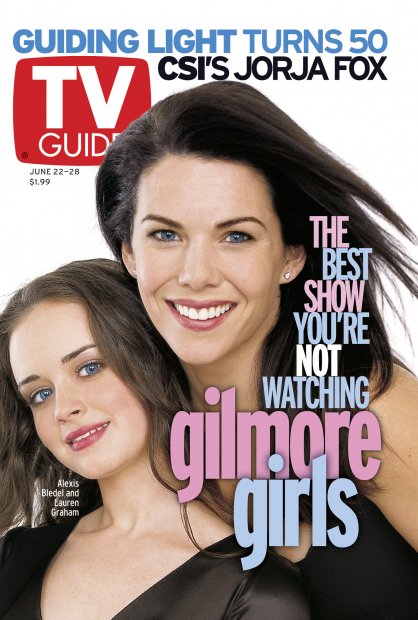
TV Guide Maagazine, a bi-weekly magazine containing the TV schedules, as well as television news, celebrity interviews and gossip, film reviews, and crossword puzzles. It was founded by Lee Wagner of MacFadden Publications, and first printed in 1948 as the The TeleVision Guide, only for the New York area. It began printing nationally as TV Guide in 1953. Since 2015, it’s been owned by NTVB Media.
Gilmore Girls had featured in TV Guide in June 2002, with Lauren Graham and Alexis Bledel on the cover, so this feels like a definite shout-out to the publication. As a self-deprecatory inside joke, Lorelai and Rory proceed to criticise the magazine’s opinions of TV shows, since TV Guide had just raved about Gilmore Girls.



 The Annotated Gilmore Girls