[Jess walks out of the bathroom] LUKE: You’ve been in there for two hours. JESS: Yeah, well my hair just ain’t bouncin’ and behavin’ today.
“Bouncin’ & Behavin'” was the slogan for Pert shampoo advertisements in the early 1980s. It might seem hard to believe that Jess is referencing an advertisement from before he was born, but the phrase was so popular that it is still widely used when discussing hair care and products in general, even today.
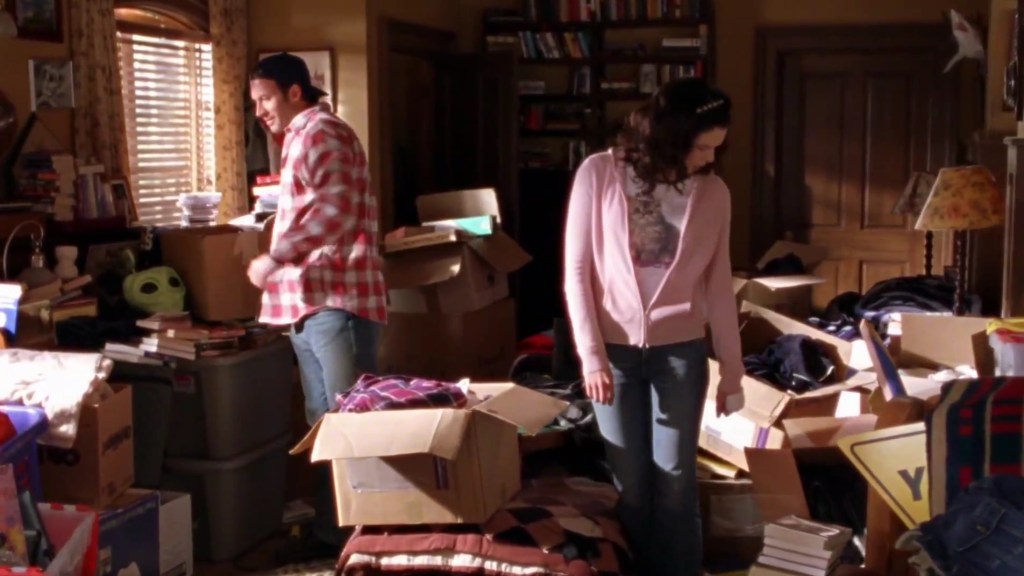
LORELAI: Where’d all this come from? LUKE: Jess. Liz shipped the rest of his stuff last week. He finally unpacked.
Jess moved to Stars Hollow six months ago, and his mother Liz has only just now boxed up all his possessions and had them shipped to Luke. If Jess had any hopes that living with Luke was just an extended vacation, they have now been thoroughly dashed. The knowledge that his mother has truly kicked him out of home and he is stuck in Stars Hollow must come as devastating news. I think we can assume that the Jess we see in this episode is a deeply unhappy boy.
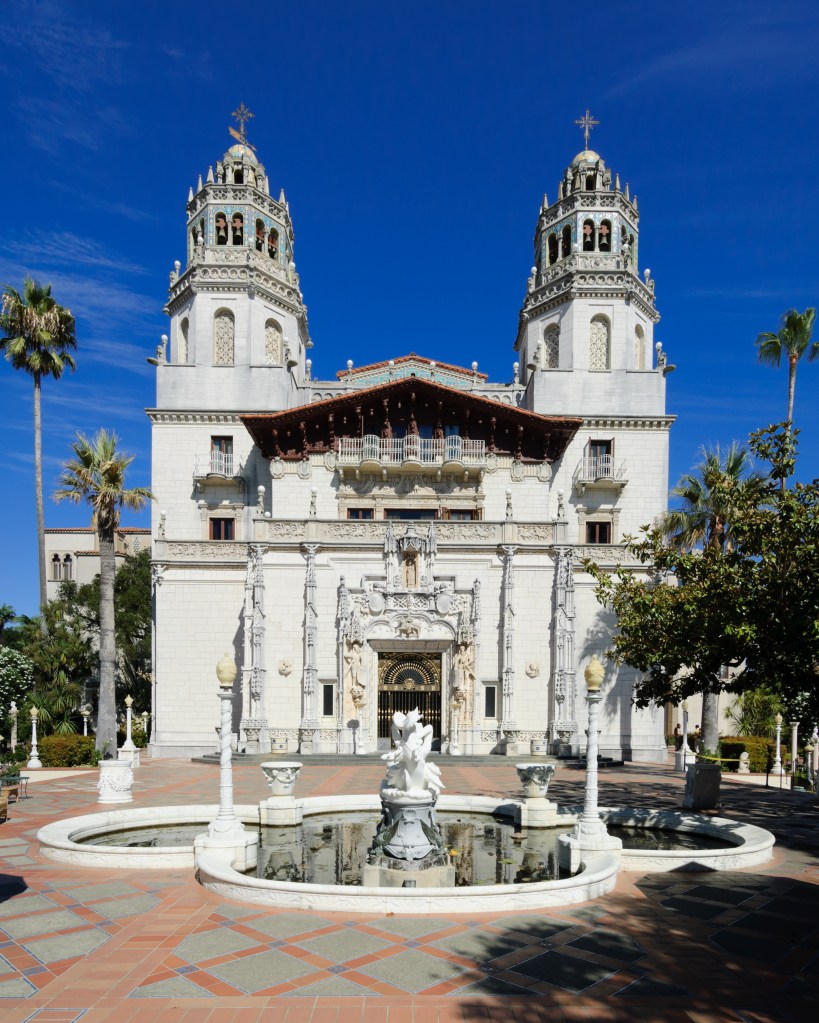
LORELAI: I’ve never seen so much stuff. It looks like a white trash Hearst Castle in here.
Hearst Castle, estate of media magnate William Randolph Hearst, previously discussed.
Note Lorelai’s shocking implication to Luke that his nephew is “white trash”, said while Jess is just in the other room. Lorelai has said some truly awful things about Jess, a troubled teenager who is the nephew of a close friend. This isn’t even the worst one.
LORELAI: Maybe our rain gutters are radioactive or made out of some kind of alien metal so that when I cut my hand I got infected with an extraterrestrial substance which is altering my internal makeup. Uh, maybe I’ll turn into a superhero.
Lorelai refers to two different ways that comic book superheroes gain their superpowers. Two notable examples of superheroes who received their superpowers through radiation are Spider-Man, who was bitten by a radioactive spider, and The Incredible Hulk, who subjected himself to vast amounts of gamma radiation.
Other superheroes gain their superpowers from extraterrestrial bodies, such as meteorites, comets, and asteroids. Examples include Marvel’s Black Panther and DC’s Vandal Savage, who are a Neanderthal and a caveman, respectively. Objects fashioned from alien substances that bestow superpowers include the Green Lantern’s power ring.
LORELAI: And one leg suddenly feels shorter than the other. RORY: This is gonna be the Vanity Fair paper cut incident all over again, isn’t it?
Vanity Fair is a monthly magazine of fashion, popular culture, and current affairs, published by Condé Nast. It was first a society magazine published from 1913 to 1936, after which it merged with Vogue. The title was revived in 1983.
The magazine’s title ultimately comes a location in John Bunyan’s 1678 allegorical religious novel, The Pilgrim’s Progress. In the story, Vanity Fair is a decadent city built by Beelzebub where every worldly pleasure that a person could want, delight in, and lust after is sold daily. It appears attractive, but in reality is a dreadful place. It was used as a title of a satirical novel by William Makepeace Thackeray in 1848.
LORELAI: I think I have gangrene. RORY: You do not. LORELAI: And vertigo.
Vertigo is a condition where the person affected has the sensation of movement even when standing still, feeling like a spinning or swaying movement. It may cause nausea, vomiting, sweating, or difficulty walking, and is the most common type of dizziness. It is usually caused by a problem with the inner ear.
It is often confused with acrophobia, or a fear of heights, which is what Lorelai is probably referring to – being on the roof has made her scared to get up there again. Also, she went up on the roof before breakfast, so any dizziness she experienced could have been due to low blood sugar. Or a caffeine rush …
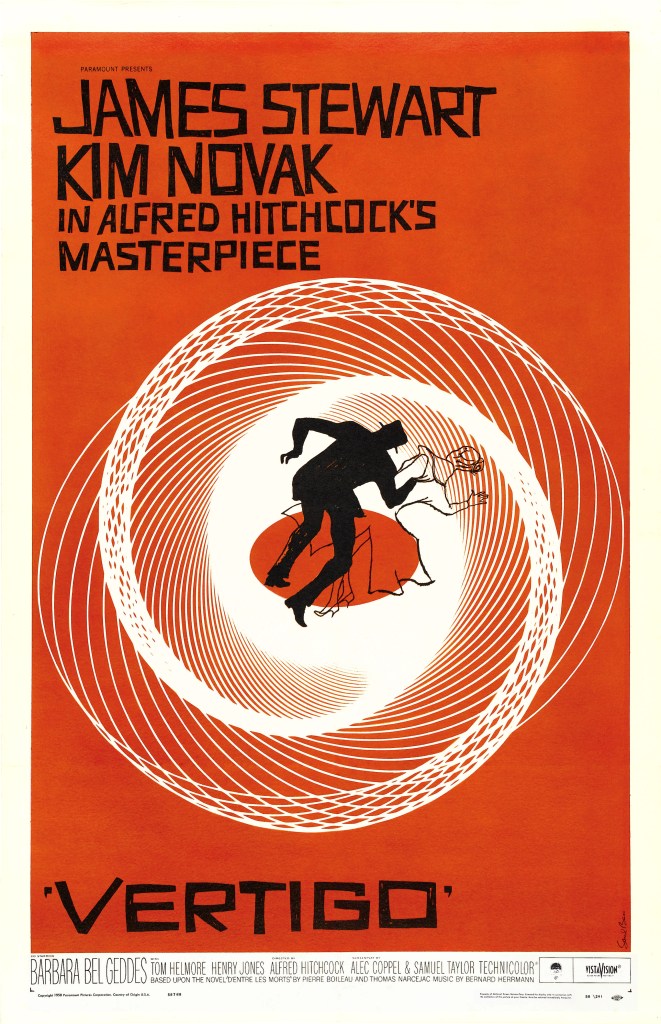
This is possibly a nod to the 1958 psychological thriller Vertigo, directed by Alfred Hitchcock, and based on the 1954 mystery novel The Living and the Dead, by French writing team Boileau-Narcejac. James Stewart plays a police detective forced into early retirement by acrophobia and vertigo caused by an incident in the line of duty. He is hired by an acquaintance to follow his wife, played by Kim Novak, who is behaving strangely.
Vertigo received mixed reviews upon release, but is now seen as a classic Hitchcock film and one of his defining works. Attracting significant scholarly discussion, it is regarded as among the greatest films of all time, and by some as the greatest film of all time.
LORELAI: I think I have gangrene. RORY: You do not.
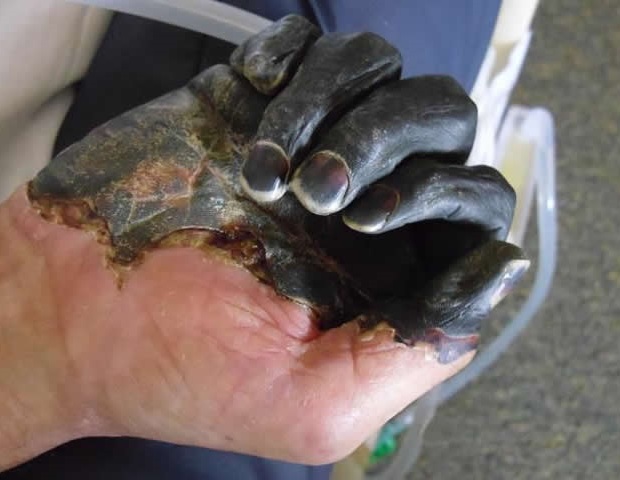
Gangrene is when the tissues of the body die due to lack of blood supply, most commonly on the feet and hands. The skin changes from red to black, accompanied by numbness, swelling, pain and skin breakdown. If caused by an infection, it may include fever or blood poisoning. Although there are numerous possible causes, diabetes and smoking are the most common culprits in “dry gangrene”. “Wet gangrene” is caused by bacteria, and the flesh rapidly becomes putrid and rotting. About 80% of people will die without treatment (20% with treatment), and amputation is usually necessary.
LORELAI: We needed our rain gutters cleaned. RORY: Yeah, well, hire somebody. LORELAI: Oh, well, aren’t we suddenly a Rockefeller.
The Rockefeller family owns one of the world’s largest fortunes. Brothers John D. Rockefeller and William A. Rockefeller made their money in the petroleum industry in the 19th and early 20th centuries, mostly through Standard Oil, which became ExxonMobil, and the Chevron Corporation. The family had a long association and control of Chase Manhattan Bank, previously mentioned. By the 1970s, they were considered one of the most powerful families in American history.
[Photo shows John D. Rockefeller and his son, John D. Rockefeller Jr.]
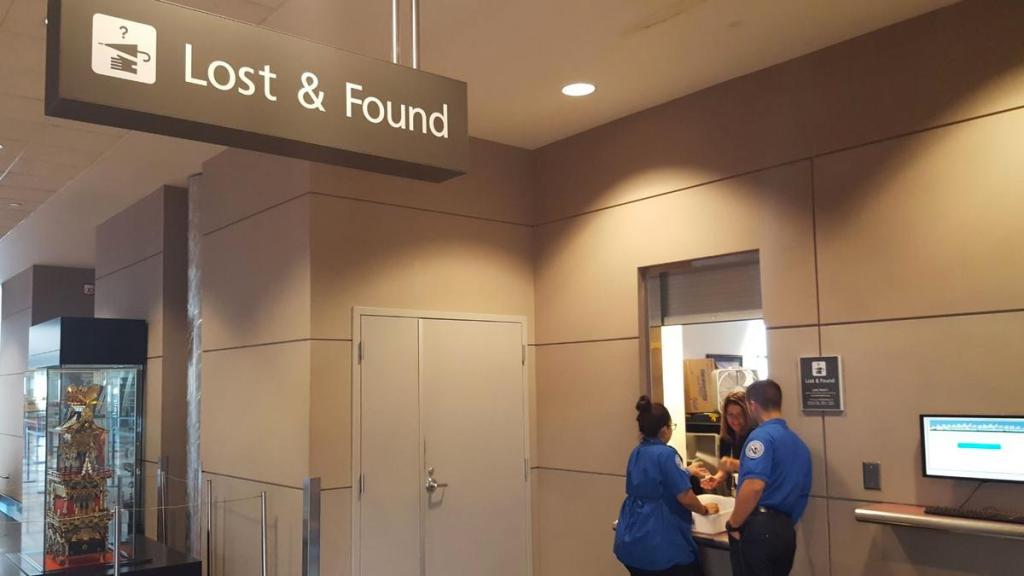
In US parlance, a lost and found is a lost property office, where people who find lost items can hand them in, in the hopes that the owner may look for it there. Usually found at airports, train stations, amusement parks etc. The lost and found system dates back to medieval Japan, but the first modern lost and found office was organised in Paris in 1805, under Napoleon.
This episode revolves around some lost property which has been found, and will be handed in for the owner to retrieve it.




 The Annotated Gilmore Girls