Nanooking It, Whale Blubber, and Mukluks

LORELAI: So you’ve been just Nanooking it this whole time, just sending out for whale blubber and mukluks? [adjusts thermostat]

Nanook of the North [pictured], a 1922 silent film documentary/docudrama written, produced, and directed by Robert J. Flaherty. The film follows the struggles of an Inuk man named Nanook, his wife Nyla, and their family as they travel, trade and search for food in the Canadian Arctic. They are shown hunting a walrus, building an igloo, and going about their everyday tasks. Nanook and his family are portrayed as fearless heroes, enduring rigours beyond the comprehension of most Westerners.

The film has been criticised for fictionalising events and presenting them as reality. For example, “Nanook” was really named Allakariallak, and Nyla (aka Alice) was not his wife, but one of Flaherty’s common-law wives. The cast were scripted to behave in a more “authentic” Inuit way, such as using traditional hunting weapons rather than guns, and acting as if they had little knowledge of Western culture. Many things had to be staged, because of the difficulties of filming with one fixed camera in a harsh environment.

Nanook of the North was ground-breaking cinema, capturing authentic details of a culture that was then little known to outsiders, and filmed in a remote location. Hailed unanimously by critics, it was also a box-office success, and is still viewed as an enthralling documentary. As the first full-length feature documentary to achieve financial success, it paved the way for the entire genre. Nanook of the North was remastered and released on DVD in 1999, so Lorelai and Rory could have actually seen it.

Whale blubber is an important part of the traditional diet of Inuit people, valued for its high energy value, nutritional content, and availability. Mukluks are soft boots, traditionally made from caribou hide or sealskin, worn by the Indigenous people of the Arctic.

Bunny Carlington-Munchausen

EMILY: I’m so sorry Rory isn’t feeling well. Is it that flu that’s been going around? … Horrible strain. Bunny Carlington-Munchausen has been bedridden for two straight weeks.

The show loves giving outrageous names to Emily’s society friends, and this one is pretty flamboyant. Bunny’s name seems to be an allusion to Munchausen Syndrome, a psychological disorder where people fake illnesses or deliberately make themselves sick in order to receive attention.

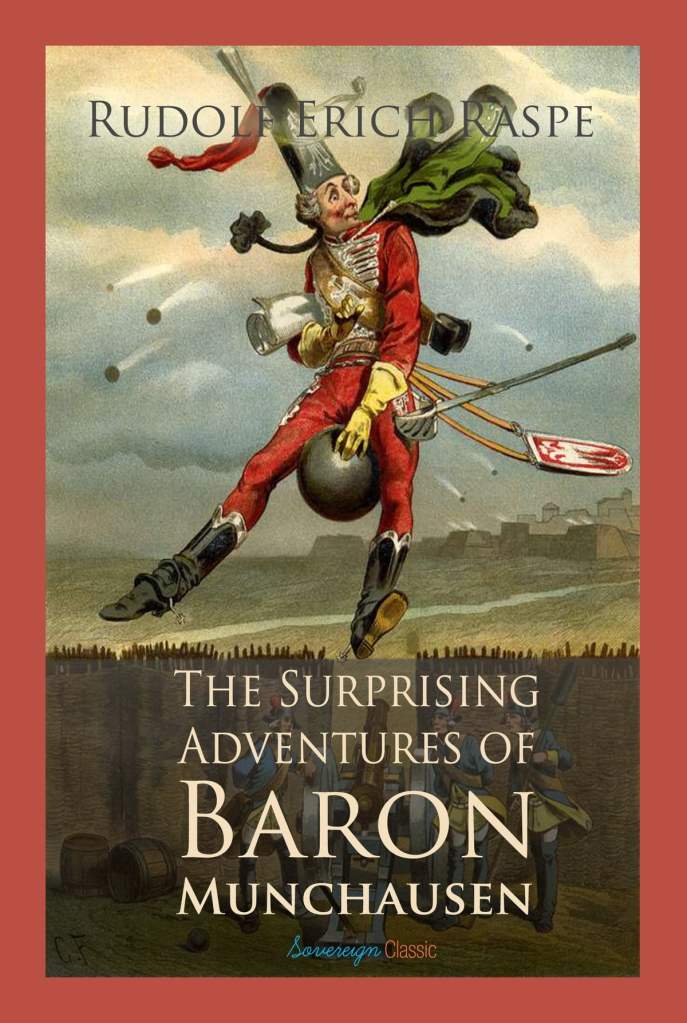
The name comes from the fictional character Baron Munchausen, created by German writer Rudolf Erich Raspe, in his 1785 book, Baron Munchausen’s Narrative of his Marvellous Travels and Campaigns in Russia. The Baron’s story of his exploits focuses on his supposed fantastical and impossible achievements, and the Baron himself is modelled on a real person, the German nobleman Hieronymus Karl Friedrich, Freiherr von Münchausen, known for his tall tales of derring-do. The book was turned into a 1988 film, The Adventures of Baron Munchhausen.

The name of the illness came to seem flippant and rather heartless, and it is now known, less colourfully, as factitious disorder imposed on self.

There may be a suggestion that Bunny is likewise exaggerating her flu symptoms for sympathy and attention, but it is almost certainly highlighting the factitious nature of Rory’s illness! This is the second person named Bunny in the show, the first one was a Gilmore relative who passed away.

A Film By Kirk

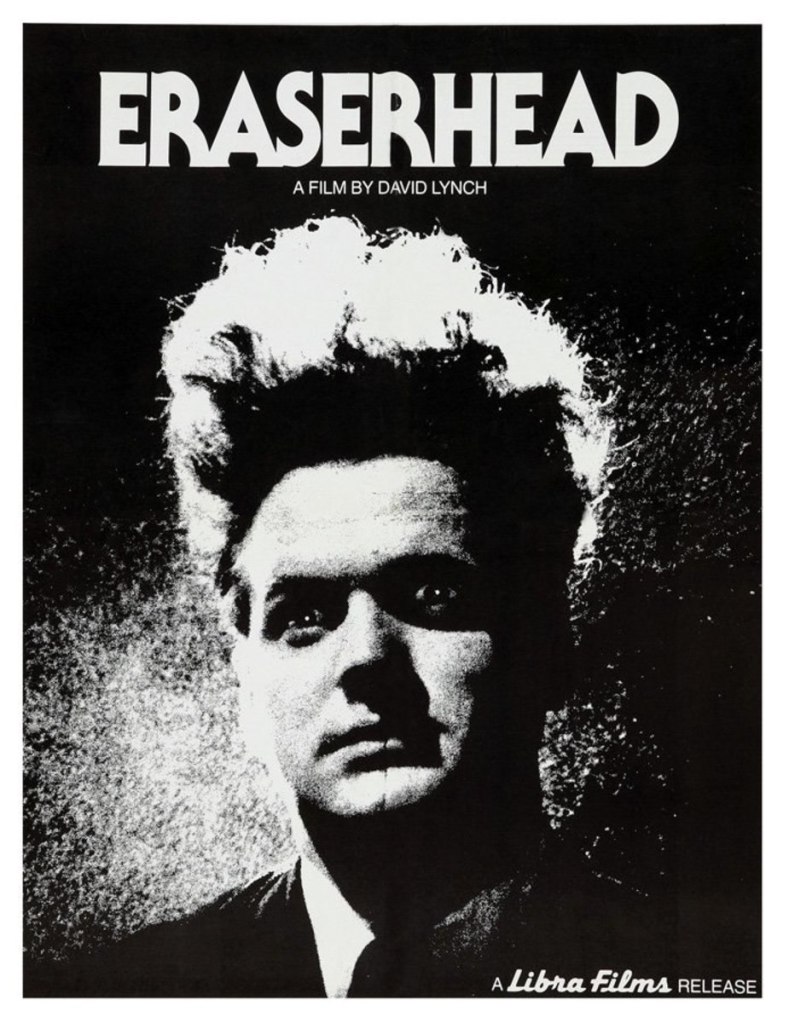
Kirk’s short film is reminiscent of a section of the 1977 surrealist horror film Eraserhead, written, directed and produced by David Lynch, previously discussed as Amy Sherman-Palladino’s favourite director. Shot in black and white, it was Lynch’s first feature-length film. Starring Jack Nance in the lead role, it tells the story of a man left to care for his grossly deformed child in a desolate industrial landscape.

Upon release, Eraserhead received negative reviews, being described as “pretentious”, in “sickening bad taste” and “unwatchable”, and opened to small audiences, with little interest shown in it. It gradually gained a cult following as a midnight movie, and today is critically lauded as a film that is both beautiful and nightmarish. It was the favourite film of Stanley Kubrick, and an influence on The Shining.

Note that the poster advertises the film as “A film by David Lynch” – Kirk seems to have used the tagline as the inspiration for his film’s end title.

The other actors in Kirk’s film are Mary Lynn Rajskub and Jon Polito as the girlfriend and the father respectively. Rajskub had been in the sitcom Veronica’s Closet and has since gone on to numerous other shows, such as 24 and Brooklyn Nine-Nine. Polito was a veteran actor who worked with the Coen Brothers several times, and appeared in the TV shows Crime and Homicide: Life on the Streets. Neither actor includes Gilmore Girls on their filmography!

If they are supposed to be other people from Stars Hollow helping Kirk out, we never see them again. Perhaps Kirk actually hired professional actors for his film. It doesn’t seem out of character.

The Contessa and the House Wench with the Talking Mice

LORELAI: And over here you have a tiny but annoying bell in case there’s something here that you need but you don’t have and you want to summon the common but lovely house wench who will promptly leave her talking mice and come to fetch the Contessa whatever she may require.

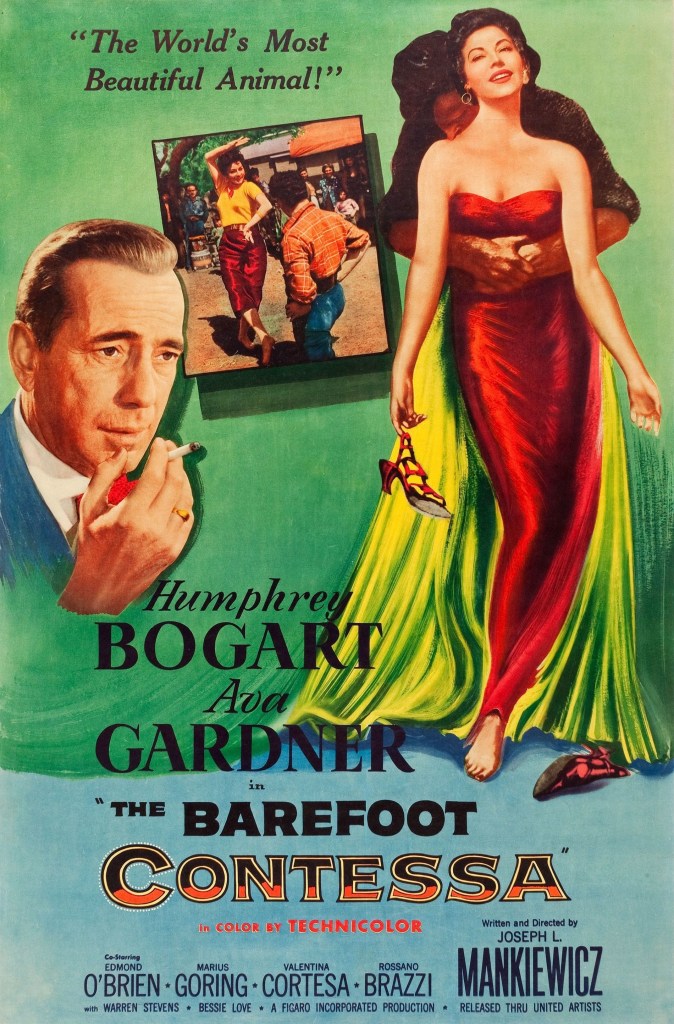
Lorelai compares Rory to The Barefoot Contessa, a 1954 drama film written and directed by Joseph F. Mankiewicz about the life and loves of a Spanish sex symbol named Maria Vargas, who is known as “the Barefoot Contessa”. Ava Gardner plays the title role as the glamorous Contessa. The film received mixed reviews, but made a big impact on popular culture.

Presumably Lorelai means that Rory, being in bed, has bare feet, yet will be waited on hand and foot like a great lady. Interestingly, the film has a major plot around infidelity and a love triangle, like that between Rory, Dean, and Jess. Like so many of these references, it ends in violence.

Lorelai compares herself to Cinderella, previously discussed. In the 1950 film, Cinderella is friends with a number of talking mice. Lorelai is saying that she is Rory’s humble servant and will get her anything she needs, just as Cinderella slaved away in the kitchen.

Lorelai behaves absolutely absurdly towards Rory. She has the most minor of injuries, and yet Lorelai acts as if she has two broken legs, at the very least. She not only gives Rory a bell to call her with, as if Rory is crippled, but actually sleeps in Rory’s room.

Why? Is she worried Rory will die in the night without her there, or does she think Rory needs help to go to the toilet with a cast on her wrist? It’s a callback to the years mother and daughter spent sharing a bed, their boundaries completely merged.

It’s almost as if Lorelai thinks she can justify her over-the-top demonisation of Jess by acting as if he has done terrible injury to Rory. She is also trying to make up for her failure to “protect” Rory from Jess by overcompensating now, when it is too late.

Lorelai’s instinct is always to smother Rory when she feels their relationship is threatened; whether this is good for Rory or not is never questioned. Her fussing over a barely injured Rory seems like confirmation that Jess was right – Rory is not cut out for the tough life of a foreign correspondent.

(Note that Rory has a Powerpuff Girls glass next to the bed, a callback to when Lorelai said they were going to buy some. Although they didn’t buy them that day, it’s confirmed they did eventually make the purchase).

Terms of Endearment

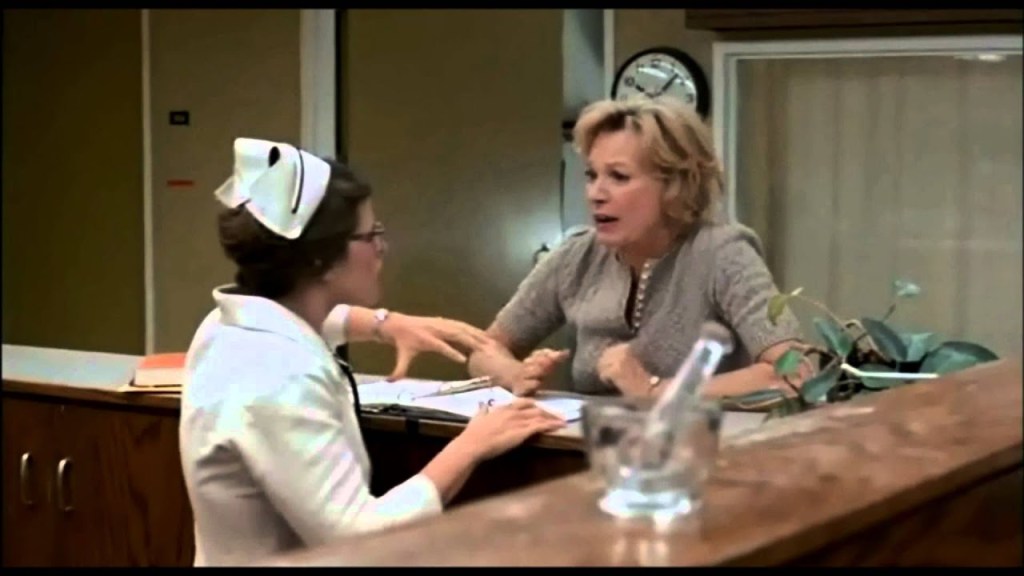
LORELAI: Hey, do you remember in Terms of Endearment, that scene where Shirley MacLaine is in the hospital and freaks out because they won’t give her daughter a shot? She got that from me and she toned it down a little.

Terms of Endearment, a 1983 family comedy-drama film directed, written and produced by James L. Brooks, and adapted from the 1975 novel of the same name by Larry McMurty. The film covers thirty years of the relationship between Aurora Greenway, played by Shirley MacLaine, and her daughter Emma, played by Debra Winger.

Terms of Endearment received critical acclaim and was the #2 film of 1983. It received five Academy Awards, including Best Picture, Best Director, and a Best Actress Award for Shirley MacLaine.

In the film, Aurora and Emma have a difficult but very close relationship. Emma is diagnosed with a terminal illness, and Aurora stays by Emma’s side throughout her treatment and hospitalisation, proving to be a fierce advocate on her behalf. There is a memorable scene where Aurora screams at a nurse, insisting that her daughter receive a shot (of pain relief) immediately when she felt they were being too slow to administer it.

Note that Lorelai does the same thing Emily did at the hospital when Richard was admitted, even using a movie reference to get her point across.

“As you wish”

JESS: Of course, I could turn right and then we’d just be driving around in circles for awhile.

RORY: Turn right.

JESS: As you wish.

Jess quotes from The Princess Bride, a 1987 fantasy romance film directed by Rob Reiner, adapated from the 1973 novel of the same name by William Goldman. It tells the story of a farmhand named Westley, played by Cary Elwes, accompanied by companions met along the way, who must rescue his true love, Princess Buttercup, played by Robin Wright, from marriage to the odious Prince Humperdinck, played by Chris Sarandon.

The film has a framing device, which is that the story is a book being read to a little boy sick in bed, played by Fred Savage, by his grandfather, played by Peter Falk. It’s been described as a postmodern fairy tale, and the satirical interjections by the grandfather, and the dialogue between he and and the boy, provide many humorous moments.

Despite good reviews, The Princess Bride was only a modest success at the box office, but became a cult classic after its release on home video. Eminently quotable, the film is considered both one of the funniest, and one of the most romantic films of all time.

In the film, Princess Buttercup begins by ordering Westley around a lot, to which he always responds, “As you wish”, before complying. The narration from the grandfather says, “That day, she was amazed to discover that when he was saying As you wish, what he meant was, I love you. And even more amazing was the day she realized she truly loved him back”.

Jess is, very clearly and boldly, telling Rory that he loves her, and believes that she loves him back, even if she doesn’t realise it yet.

Whatever Happened to Baby Jane?

RORY: Just don’t answer the phone.

LORELAI: Hello, I get calls there, too. I’m not Whatever Happened to Baby Jane? yet, thank you very much.

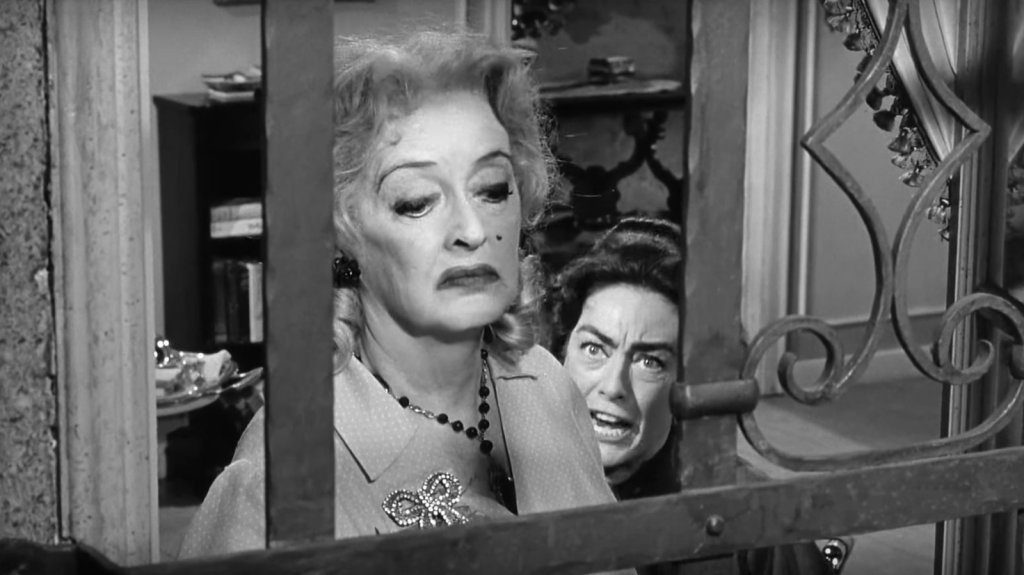
Whatever Happened to Baby Jane?, 1962 psychological horror-thriller film directed and produced by Richard Aldrich, and based on the 1960 novel of the same name by Henry Farrell. It stars Bette Davis and Joan Crawford as an ageing former child star named “Baby Jane” Hudson, who torments her paraplegic sister Blanche, a former Hollywood star, in an old Hollywood mansion.

The film was a box office success. At the time, it received mixed reviews, but as time has gone on, it has been almost universally acclaimed.

In the film, Jane suspects that her sister is going to have her committed to a psychiatric hospital, and she removes Blanche’s phone from the bedroom, cutting her off from the outside world. This is what Lorelai is referring to when she complains to Rory that she receives calls on the phone as well.

Babe 2

KIRK: It’s not exactly Babe, it’s more like Babe 2 …Same pig, harder edge.

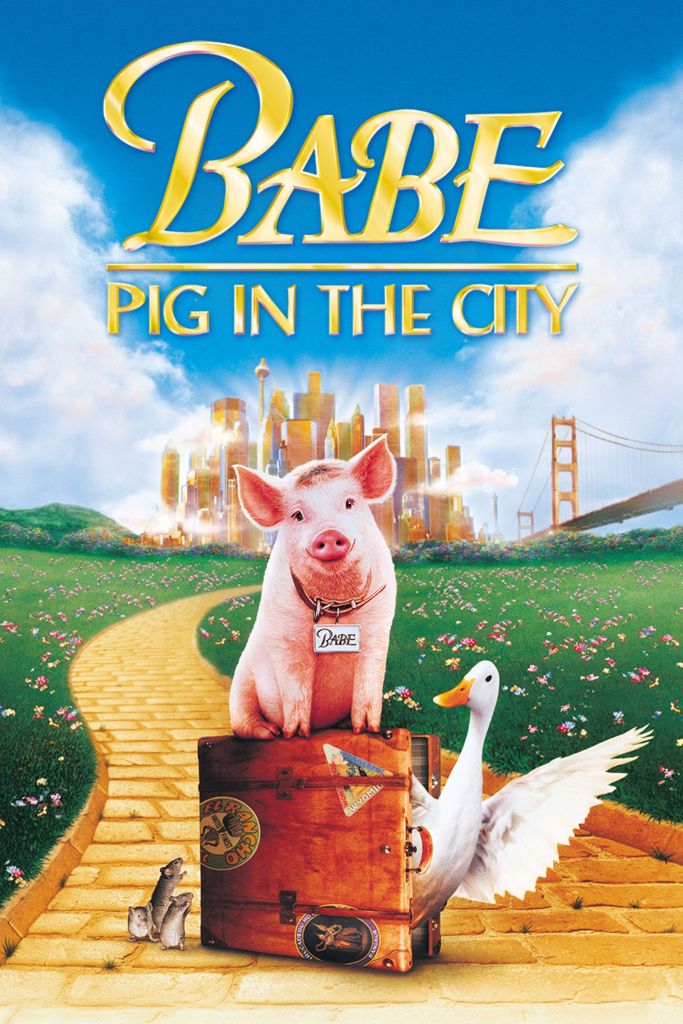
Kirk references Babe: Pig in the City, a 1998 comedy-drama adventure film that is the sequel to Babe, previously discussed, and has the same director and most of the same cast. The story focuses on the journey of the pig Babe (now voiced by Elizabeth Daily), and Farmer Hogget’s wife Esme, in the fictional city of Metropolis. The film, which is noticeably darker in tone and setting compared to the first film, received poor reviews, and was a box office bomb.

Akira Kurosawa and Seven Samurai

KIRK: But as much as the mail letter delivered and the DSL line installed and the latest J. Lo flick rented fills me with a deep sense of pride, in my soul I am Akira Kurosawa.

LORELAI: Seven Samurai, great movie.

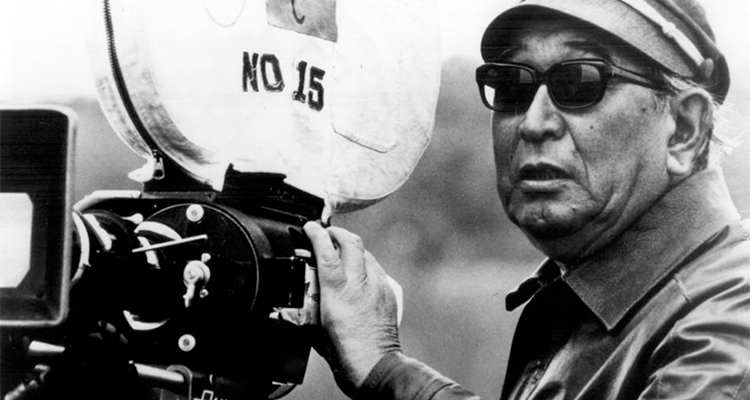
Akira Kurosawa (1910-1998), Japanese filmmaker who directed thirty films in a career spanning five decades. He is regarded as one of the most important and influential filmmakers in history. In 1990, he accepted the Academy Award for Lifetime Achievement.

Seven Samurai, a 1950 epic samurai drama film, co-written and directed by Kurosawa. Taking place in 1586, it follows the story of a village of farmers who hire seven rōnin (samurai without masters) to fight off bandits who are stealing their crops after the harvest. At the time, it was the most expensive film ever made in Japan, and was the #2 domestic film in Japan in 1950. It is consistently rated as one of the greatest films ever made, and remains highly influential, one of the most referenced films in cinema.