RORY: The stuff they gave me at the hospital made me a little dopey.
LORELAI: My little Marianne Faithful.
Marianne Faithfull (born 1946), English singer, songwriter, and actress. She became popular with the release of her 1964 single, “As Tears Go By”, and was one of the lead female artists in the British Invasion music scene in the US. Her albums were a commercial success, she had a highly-publicised relationship with Mick Jagger, and she appeared in several films. However, this was overshadowed by personal problems in the 1970s, when she was anorexic, homeless, and a heroin addict.
She made a comeback in 1979 with her critically acclaimed album Broken English, and is regarded as one of the greatest women in rock and roll. She received the World Lifetime Achievement Award at the 2009 Women’s World Awards and was made a Commandeur of the Ordre des Arts et des Lettres by the government of France.
Stan Frerbeg (1926-2015), actor, comedian, musician, puppeteer, and radio personality. He was one of the talents recruited by Capitol Records in 1951 for their spoken word division, doing satirical recordings about popular culture. He also did musical parodies of popular songs.
Rory’s CD might be The Stan Frerberg Show: Direct from the Famous CBS Broadcasts, which was released as a four-disc box set on CD in 1997, published by Smithsonian Historical Performances. The other possibility is that it is The United States of America Volume 2, The Middle Years, comedy sketches based on figures from American history, released on CD by Rhino in 1996.
Ash
Ash, Northern Irish rock band formed in 1989 by vocalist and guitarist Tim Wheeler, bassist Mark Hamilton, and drummer Rick MacMurray. Their first full-length album was released in 1996, and titled 1977 [pictured]; it is regarded by NME as one of the greatest albums of all time.
Their song “Girl from Mars” from the album has already been used in Gilmore Girls, appearing at the end of the episode “Nick and Nora, Sid and Nancy” to illuminate Jess’ attraction to Rory. It’s a callback to the moment that Rory and Jess first made a real connection with each other.
Sinéad O’Connor
Sinéad O’Connor, now named Shuhada Sadaqat (born 1966), Irish singer-songwriter. Her 1987 debut album, The Lion and the Cobra, charted internationally, while her 1990 second album, I Do Not Want What I Haven’t Got, received glowing reviews and was her most successful album – the lead single, “Nothing Compares 2 U” (written by Prince) was the #1 song of 1990.
O’Connor has released ten studio albums, many of them going gold in the UK or US. Her most most recent album at this point was Faith and Courage, released in 2000. It received positive reviews and was a commercial success.
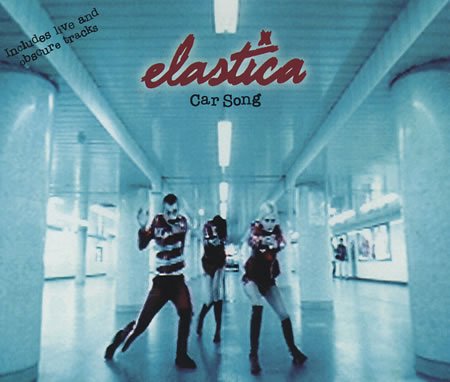
This song plays while Jess and Rory are in the car, driving back from buying ice cream cones (because Luke’s only serves ice cream in bowls, which doesn’t count).
“Car Song” is a 1995 song by Britpop group Elastica, written by Justine Frischmann, the band’s lead singer. From their self-titled debut album, it was only released as a single in North America and Australia in 1996, and went to #106 in Australia, while it charted on the US Alternative Songs Chart at at #33, and #14 on the Canadian Alternative Rock Chart. The song was well-reviewed, described as sexy and charming.
The song is about having sex in a car, to make it clear where Jess and Rory’s minds are going, and the subtext of them being in a car together. Although there’s no suggestion that they actually had sex in the car offscreen, or even kissed, their car trip is a symbolic lovemaking experience as it is so emotionally intimate. Compare it to the first time Rory was in the car with Dean, when she couldn’t even tell him how she felt, after dating for months.
Here we go again I’m riding in your car Let me count to ten ‘Cause it’s gone way too far Up my street to nowhere You know what detours are Here we go again And it’s gone way too far
The lyrics are a good description of what’s going on – they’ve taken a detour on a street to nowhere (driving aimlessly), and going around in circles (“here we go again”). And although they’ve gone nowhere much, they have “gone way too far” – because they should never have got in the car to begin with.
RORY: Do not give me that whole ‘I’m so misunderstood, Kurt Cobainy’ thing. You are way stronger than that and I don’t even wanna hear it. You have to go to college …
JESS: So, Courtney, what about you?
Kurt Cobain (1967-1994), singer, songwriter, and musician, frontman of the grunge rock band Nirvana, serving as the band’s lead vocalist, guitarist, and primary songwriter. Through his angst-fuelled songwriting and anti-establishment persona, Cobain’s compositions challenged the conventions of rock music. He was often heralded as a spokesman for Generation X and is considered one of the most influential musicians in the history of alternative rock.
Cobain struggled with depression, heroin addiction and the pressure of fame, and was found shot dead at the age of 27, apparently by his own hand. He was posthumously inducted into the Rock and Roll Hall of Fame, along with his fellow band members, in 2014.
Rory pretty much gives Jess the same talk that Lorelai did when he arrived in Stars Hollow – if anything, she is less sympathetic, telling him to quit the “misunderstood act”, and saying he is way too strong to be dragged down by his circumstances.
Jess is far more receptive to hearing this from Rory. He probably appreciates not being pitied, and likes the suggestion he is tough enough to survive anything. Rory may be the first person to openly tell Jess he can achieve anything he wants, and once again, she is very keen to urge a male love interest to attend college.
Note that as Rory casts Jess in the role of Kurt Cobain, he is equally quick to cast her as Kurt’s wife – an obvious suggestion that Jess considers her to be his “other half” that Rory surely cannot miss. As Kurt and Courtney were something of a doomed, destructive couple, it doesn’t feel like a good omen for Jess and Rory.
RORY: You’ve done card tricks, you’ve made coffee, you’ve tried to explain to me how on earth Coldplay could be considered an alternative band, but as of yet, no studying.
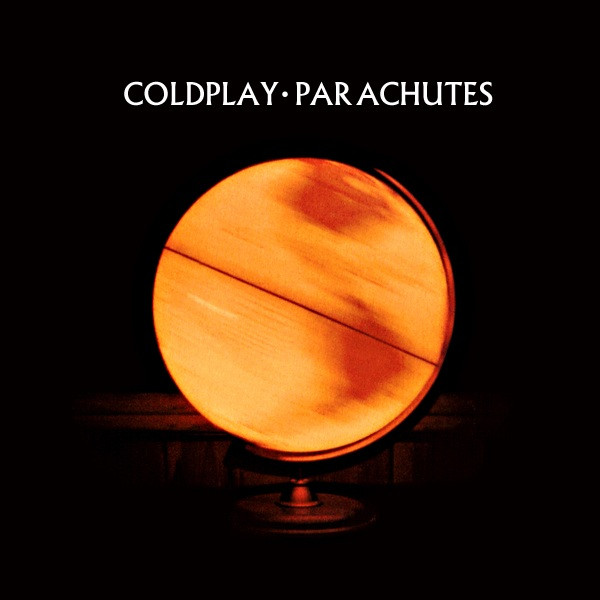
Coldplay, British rock band formed in 1996, with vocalist and pianist Christ Martin, guitarist Johnny Buckland, bassist Guy Berryman, and drummer Will Champion.
Their 2000 debut album Parachutes included their breakthrough hit “Yellow”, and it received a Brit Award for British Album of the Year and a Grammy Award for Best Alternative Music Album. This may be the source of Rory and Jess’ discussion as to how Coldplay can be considered an “alternative band”. In the US, their singles were played on college and alternative radio stations, and charted on the Alternative Music charts.
Jess writes some of the lyrics to this song by English punk rock band The Clash on a notepad for Rory, who correctly identifies it – thus passing one of Jess’ “tests” to see if she’s worthy.
“Guns of Brixton” is from the 1979 album, London Calling. It was written and sung by the band’s bassist, Paul Simonon, who grew up in Brixton in South London, and has a strong reggae influence, reflecting the culture of the area. It predates the race riots which took place in Brixton in the 1980s, but depicts the discontent of the area due to economic factors and heavy-handed policing against black youth.
The lyrics begin:
When they kick at your front door How you gonna come? With your hands on your head Or on the trigger of your gun?
When the law break in How you gonna go? Shot down on the pavement Or waiting on death row?
After this point, the phrase “guns of Brixton” becomes used so often that it would be immediately apparent which song it is, so I presume Jess showed Rory the first stanza or the first two stanzas. It looks as if he has written the first two stanzas on the notepad, but I can’t see it very clearly.
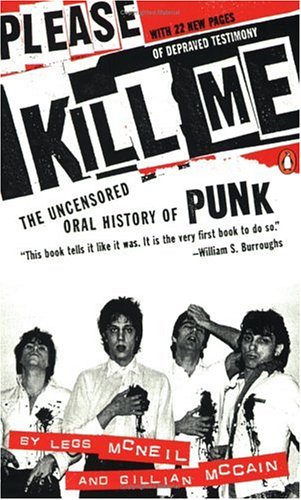
JESS: Have you ever read Please Kill Me? … Oral history of the punk movement. You’d like it – you can borrow it if you want.
Please Kill Me: The Uncensored Oral Historyof Punk by Legs McNeil and Gillian McCain, first published in 1996. It consists of interview with punk musicians, and spans the early period of punk in the US, from The Velvet Underground and The New York Dolls to Iggy Pop and The Ramones. The book became an instant hit, and is a cult classic.
Note that Jess suggests this “history” book as an alternative to reading about The Marshall Plan!
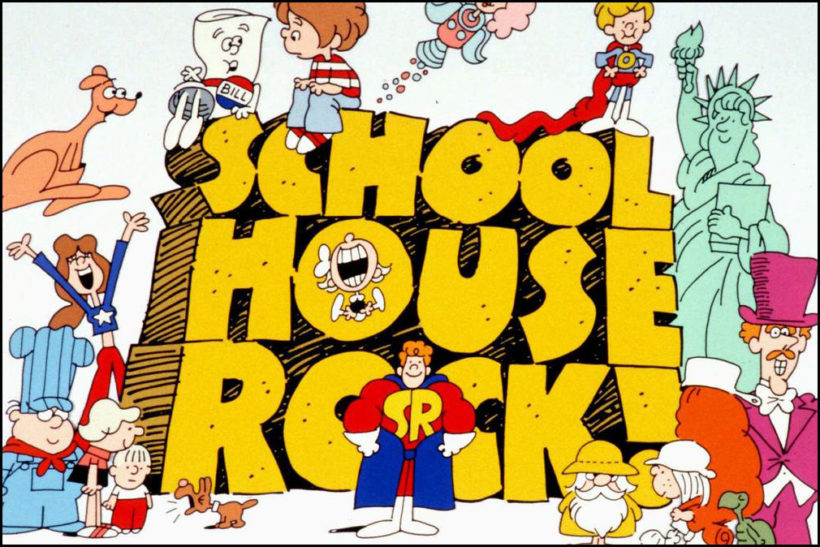
JESS: I just can’t wait for that learning to begin. Hey, are we gonna do some of those Schoolhouse Rock! songs?
Schoolhouse Rock! is a series of short animated educational musical films that aired during Saturday morning children’s programs on the ABC network from 1973 to 1984, with a revival between 1993 and 1996 (when Rory and Jess were aged 9 to 12). Themes covered grammar, science, economics, history, mathematics, and civics. Soundtrack albums and songbooks were released as tie-ins.
Jess consistently equates formal education with something dated and childish, but I think he actually would learn better if the facts were presented as rock songs!
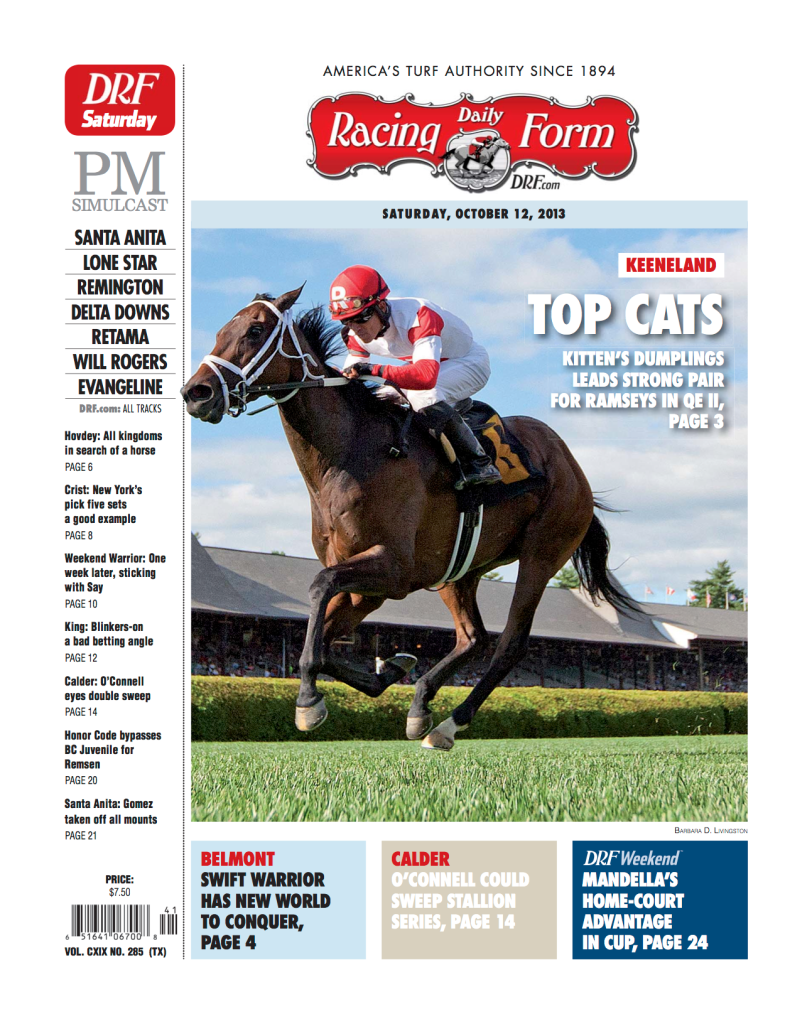
LUKE: Jess, this is serious. You’re flunking out. You’re looking at being in the eleventh grade for the rest of your life. You’re gonna be the kid in the back of the room with a beard and a Racing Form babbling incoherently about Steely Dan.
The Daily Racing Form, usually referred to as a “racing form” or just a “form”, is a tabloid newspaper which publishes statistics and past performances of racing horses to use as a betting guide. It was first published in Chicago in 1894.
Luke’s weirdly specific description of the “kid in the back of the room” suggests that he is basing it on an actual young adult who was held back at Stars Hollow High during his own school years.
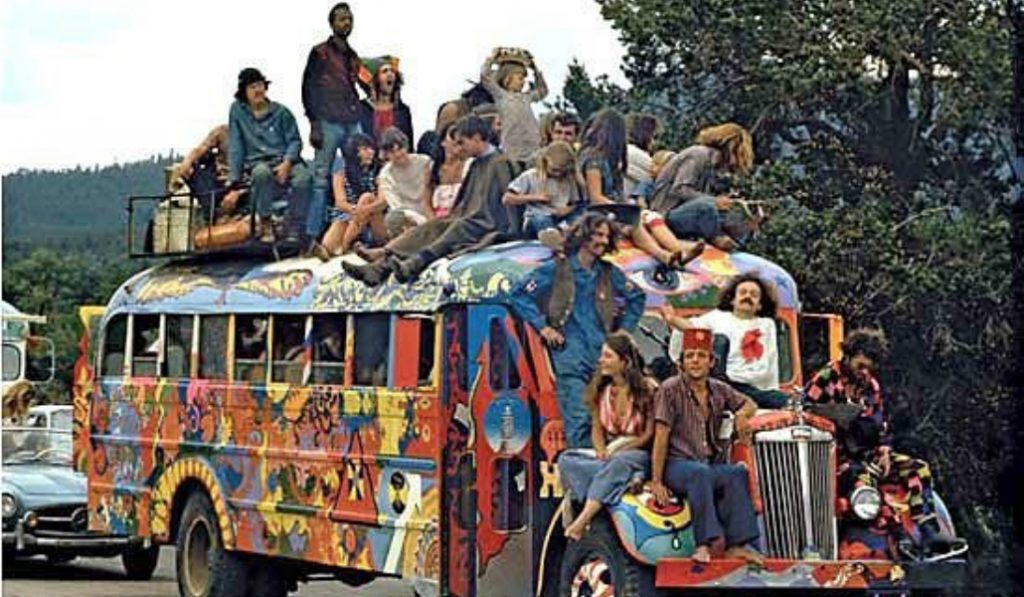
LORELAI: Maybe we should do like a movie marathon weekend. You know, just show one movie after the other for three days and charge everyone a fortune, gouge them for bottled water, have those really disgusting little bathrooms – it’d be like our own Woodstock.
Woodstock Music and Art Fair, commonly known as Woodstock, was a music festival held August 15-18 in 1969, held on a dairy farm in Bethel, New York, 40 miles from the town of Woodstock. It attracted an audience of 400 000, and 32 acts performed outdoors, despite sporadic rain. The festival has become widely regarded as a pivotal moment in popular music history as well as a defining event for the counterculture generation.




 The Annotated Gilmore Girls