Chevalier

DRELLA (to Michel): Back off, Chevalier.

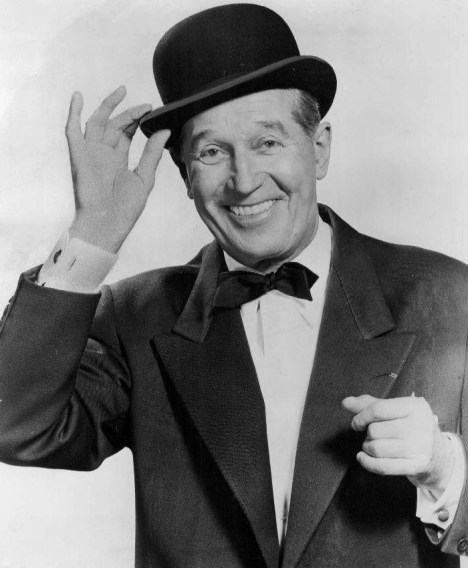
Drella is referring to French actor and singer Maurice Chevalier (1888-1972). He is best known for his signature songs, including Thank Heavens for Little Girls, from the 1958 musical film Gigi. At the peak of his career, he was the highest-paid actor in Hollywood.

When performing in English, Chevalier adopted a heavy “stage French” accent, although in everyday life he spoke fluent English with a slight American tone. Drella may be indicating that Michel is also “faking” his French accent.

We Are Family

This 1979 song by American R&B group Sister Sledge is played at the double twin wedding reception by the wedding band; it is from Sister Sledge’s album of the same name, and was written by Nile Rodgers and Bernard Edwards. It went to #2 in the US, and was #1 on the disco charts.

It is ironic that this anthem of family solidarity is beloved by Mrs. Shales, who openly loathes her daughters. The song underscores the theme of this episode.

Madonna and Sean Penn

LORELAI: So you know what I was thinking?
RORY: That Madonna and Sean Penn should get remarried?
LORELAI: Besides that.

Pop star Madonna (born 1958) and actor Sean Penn (born 1960) were married in 1985, after meeting just a few months before. Madonna filed for divorce in 1987 but withdrew the papers; they were eventually divorced in 1989. There were allegations during their marriage that Penn was violent towards Madonna; however she strenuously denies those claims.

Lorelai’s belief that the couple should remarry seems to be a common one: even now, gossip magazines continue to say that Madonna and Penn are trying to get back together, or are already back together. Recently Madonna publicly told Penn that she was still in love with him, further fueling rumours (it was at a charity event so she might have just been whipping the crowd up). At the very least, they still seem to be on very friendly terms.

Teach Me Tonight

The song that Morey plays after he finds, or rescues, their pet cat Cinnamon, who Babette thought was still stuck under the porch steps. Teach Me Tonight is a jazz standard with lyrics by Sammy Cahn and music by Gene De Paul, written in 1953. It was recorded several times, most famously by Dinah Washington in 1954. This song plays throughout the fight between Lorelai and Rory.

Steinway

We learn from Babette that her husband Morey plays jazz on a Steinway. Steinway & Sons is an American piano company, founded in Manhattan by a German immigrant named Heinrich Steinweg in 1853 – he later changed his name to Henry Steinway. Steinway is known for their high quality pianos which have received numerous awards.

Thelonious

BABETTE: Yeah. He [Cinnamon] must’ve been meowin’ for an hour but Morey was playing some Thelonious on the Steinway and when Morey plays I go into this trance where all I can see is blue and moon and stars …

Thelonious Monk (1917-1982) was an American jazz pianist and composer. Many of his compositions have become jazz standards, such as Round Midnight and Blue Monk.

Jukebox

DRELLA: I’m not a jukebox.

Jukeboxes are automated music machines with a selection of songs, usually coin operated. The first jukeboxes were produced in 1927, with their heyday in the 1950s. They began declining after the introduction of the portable radio and portable cassette player. Today digital jukeboxes and jukebox apps continue the tradition.

Man! I Feel Like a Woman!

This 1997 country rock song by Canadian singer-songwriter Shania Twain is Jessica’s choice for wedding music. It is from Twain’s album Come on Over, and the song went to #23 in the US, but on the country music charts was #4 in the US and #2 in Canada. The song earned Twain a Grammy Award for Best Female Country Vocal Performance.

It is typical that the twins, who can’t agree on anything, should have such radically different tastes in music.

Jackie’s Wedding Music

MRS. SHALES: Jackie wants Samuel Barber, John Cage, and Philip Glass

All three are serious and highly influential American composers of the twentieth century.

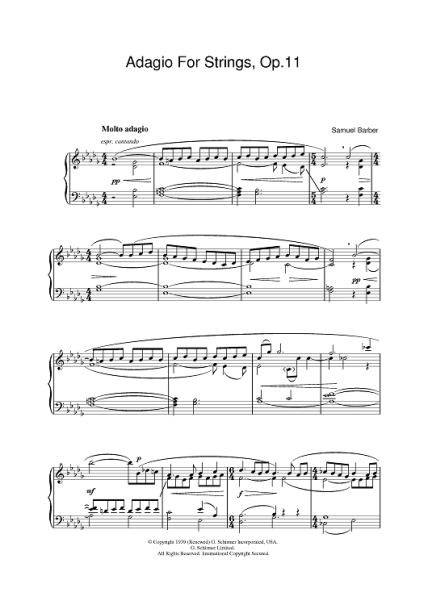
Samuel Barber (1910-1981) composed orchetral, opera, choral, and piano music, enjoying a lengthy career as one of the most celebrated composers of the century. Twice winner of the Pulitzer Prize for Music, his best known work is Adagio for Strings (1936), which has become a staple piece for orchestras.

John Cage (1912-1992) was one of the leading figures of the post-war avant-garde, and was pivotal in the development of modern dance. His best known work is 4’33 (1952), in which the perfomer sits and does nothing for 4 minutes and 33 seconds.

Philip Glass (born 1937) has been described as a composer of minimalist music. He has written numerous operas, musical theatre works, symphonies, concertos, and chamber music. He has also written several film scores, winning awards for The Truman Show and The Hours.