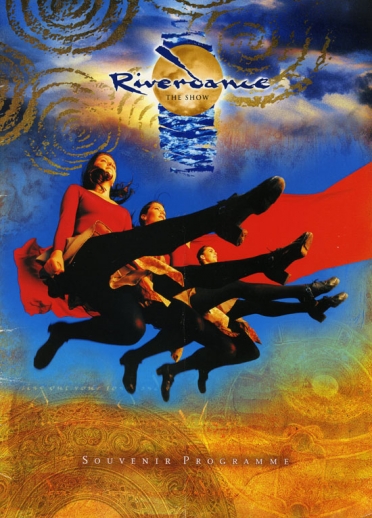
Riverdance

RORY: Who’s Stanley Appleman?

LORELAI: Oh, he’s brand new in town. He works over at the hardware store, and the best part is, he used to be part of the touring company . . . of Riverdance.

Riverdance, theatrical show that consists mainly of traditional Irish music and dance. With a score composed by Bill Whelan, it originated as an interval act during the Eurovision Song Contest 1994. Shortly afterwards, it was expanded into a stage show, which opened in Dublin in 1995. Since then, the show has visited over 450 venues worldwide and been seen by over 25 million people, making it one of the most successful dance productions in the world.

Riverdance comes to Hartford every year. Did Stanley join the company while it was in Connecticut, or did he like the area so much he decided to stay there? How do you go from touring with Riverdance to working in hardware in a small town?
Senor Wences

EMILY: She was sitting at the table giving all the peas voices.

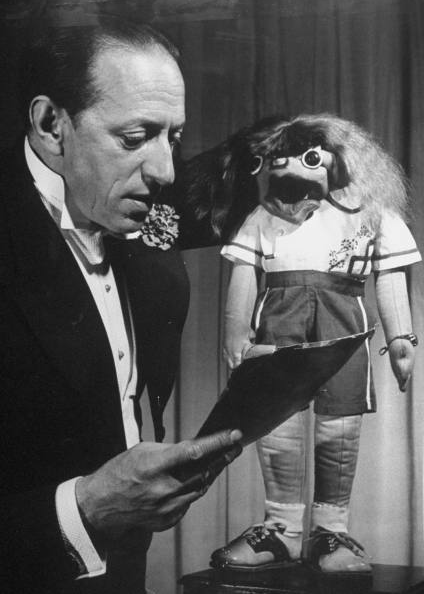
LORELAI: With a little encouragement, I could’ve been the Senor Wences of the vegetable set.

Wenceslao Centeno, known professionally as Señor Wences (1896-1999), Spanish ventriloquist and comedian. His popularity grew with his frequent television appearances on The Ed Sullivan Show during the 1950s and 1960s. Later, he became popular with another generation of fans on The Muppet Show.

Tiny Tim, Gimpy

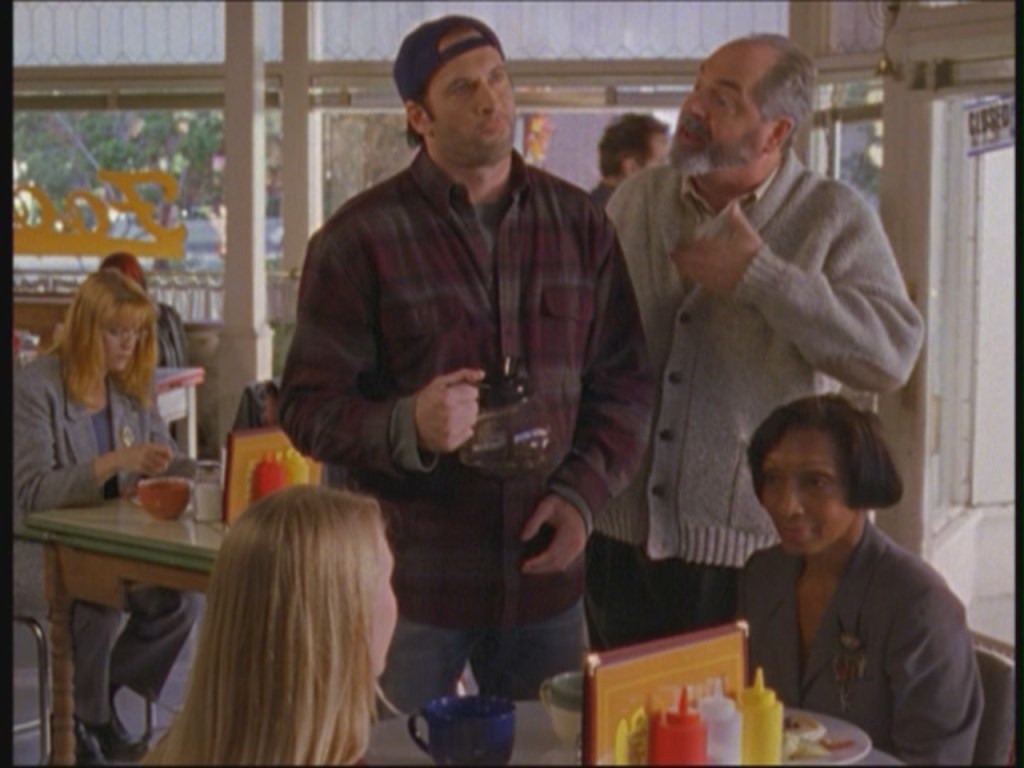
TAYLOR: You would kick Tiny Tim’s crutch out from under him, wouldn’t you?

LUKE: If he asks for a free cup of coffee, gimpy’s going down.

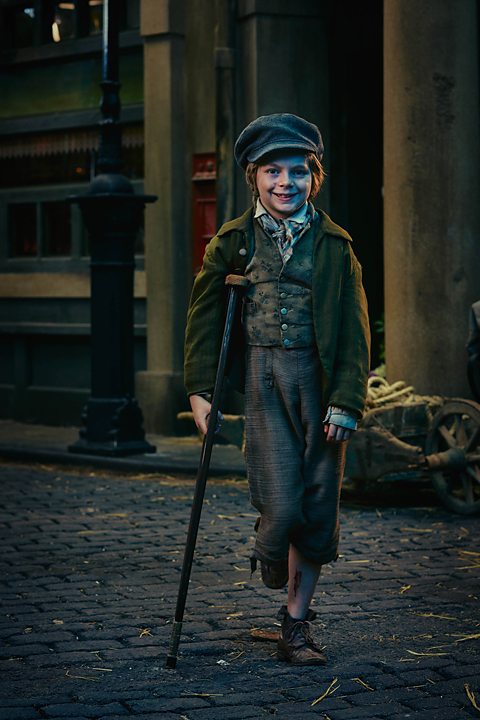
Timothy “Tiny Tim” Cratchit, a character from the 1843 novella, A Christmas Carol, by Charles Dickens. In the story, Tim is the young son of Ebenezer Scrooge’s employee, Bob Cratchit, and a very sick boy who needs crutches to walk. Scrooge is shown that Tim will die in the future unless he receives medical help that Bob cannot afford on the salary he receives from Scrooge. This is one of several visions which cause Scrooge to reform, and the story states that Tiny Tim didn’t die, and that Scrooge became a second father to him (presumably paying for medical treatment).

Gimpy is a derogatory name for someone who walks with a limp. The slang dates to the 1920s, and may be a combination of gammy and limp, gammy being used to describe a bad leg.

Tennessee Williams

TAYLOR: No, we have that money. The Tennessee Williams lookalike contest last month put us right over the top.

Thomas Williams III, known by his pen name Tennessee Williams (1911-1983), playwright and screenwriter. He is considered to be one of the foremost playwrights of the 20th century. Williams had his first success with The Glass Menagerie in 1944, followed by a strong of successes, including A Streetcar Named Desire (1947), Cat on a Hot Tin Roof (1955) and Sweet Bird of Youth (1959). Much of his work has been adapted for the cinema. In 1979, he was inducted into the American Theater Hall of Fame.

It isn’t clear why Stars Hollow would hold a Tennessee Williams lookalike contest, although Williams’ literary agent did live in Connecticut, so there is a local link of a sort. Later on, it seems as if the town is keen to have fundraisers with a literary connection.

Taylor tells Luke they have enough money to restore the bridge now, and are currently raising money to buy a tarpaulin to cover the bridge, to ensure it doesn’t get further damaged during the winter before it can be restored. (Not only are tarpaulins not that expensive, Luke is able to locate and sew together numerous tarpaulins in a single night in the show’s final episode!). Despite this, Stars Hollow continues raising money for the bridge throughout the run of Gilmore Girls.

McDonald’s Apple Pies and Ho-Hos

LORELAI: And out of nowhere, Kirk comes dancing by, waving a McDonald’s hot apple pie in the air and of course Ho-Ho lunges for the pie and drops my hand and that was it. Kirk wins, I’m out. I’m gonna get that Ho-Ho someday.

McDonald’s fast food restaurants, previously discussed. They have had hot apple pie on their dessert menu since 1968. Until 1992, the apple pies were deep fried, but are now baked.

Ho-Ho, previously discussed.

Lorelai’s story reveals that Kirk is not above fighting dirty in order to win the dance marathon. He had great foresight to bring a McDonald’s apple pie with him to the marathon, and kept it hot (?) by some arcane means.

Tommy Tune

LORELAI: And Ho-Ho’s fading, so I’m trying to buck him up, saying “Come on, Ho-Ho. Stay with me Ho-Ho,” and then all of a sudden he starts yelling, “Stop calling me Ho-Ho, it’s making me hungry!”

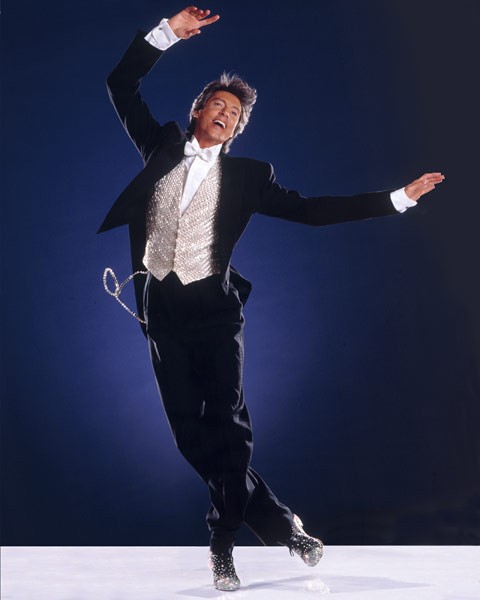
LUKE: Oh, hey, look, there goes Tommy Tune.

Thomas “Tommy” Tune (born 1939), actor, dancer, singer, theatre director, producer, and choreographer. Over the course of his career, he has won ten Tony Awards, the National Medal of Arts, and a star on the Hollywood Walk of Fame.

Luke tries to distract Lorelai from her story with his quip about a famous dancer, as if Lorelai might be interested in him as a partner. Lorelai seems to be very interested in getting a tall partner, and Tommy Tune is over six foot six.

Mad Cow Disease

LORELAI: Pale means sickly.

LUKE: Or sunscreen.

LORELAI: Or mad cow disease.

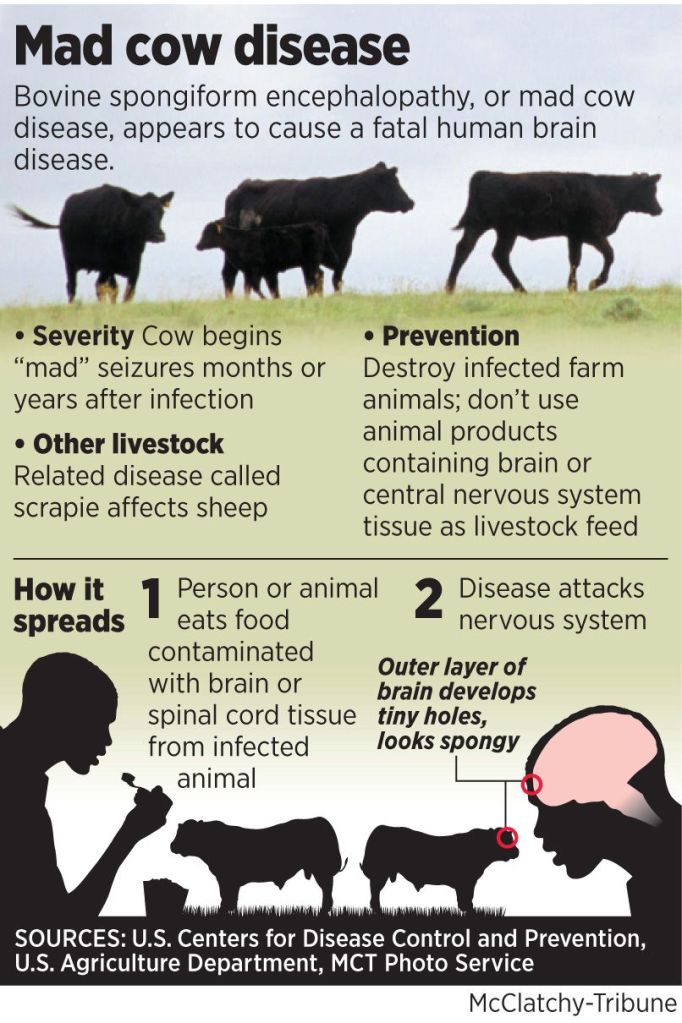
Bovine spongiform encephalopathy (BSE), commonly known as mad cow disease, is an incurable and inevitably fatal neurodegenerative disease of cattle. It can be spread to humans if they eat meat from infected cows.

In humans, infection can result in Creutzfeldt–Jakob disease (CJD), also known as subacute spongiform encephalopathy or neurocognitive disorder due to prion disease, an invariably fatal degenerative brain disorder. Early symptoms include memory problems, behavioral changes, poor coordination, and visual disturbances. Later symptoms include dementia, involuntary movements, blindness, weakness, and coma. About 70% of people die within a year of diagnosis. Pale skin isn’t one of the symptoms.

There was an outbreak of mad cow disease in the UK which lasted from 1986 to 2015, reaching a peak in 1993. There were a few cases in North America from 1993 to 2012, which had an impact on the US beef industry.

Dance Marathon

In this episode, Stars Hollow is holding a dance marathon to raise money. Dance marathons began in the 1920s and were at their peak in the 1930s, with people vying to win the cash prize at the end, that could be for as much as a year’s salary. Today they are generally held as charity fundraisers, and only last for twelve to twenty-four hours, not the thousands of hours they went on for in times past, which sounds like absolute torture (and they were often rigged as well).

We learn that the dance marathon is an annual event, that Lorelai has been close to winning it for four years in a row, since 1998, and that the previous year she only lost at the eleventh hour. It’s possible the one in 2001 took place around the same time as Mia’s visit (she may have come back for it). The one in 2000 presumably took place after Lorelai’s date with Max.

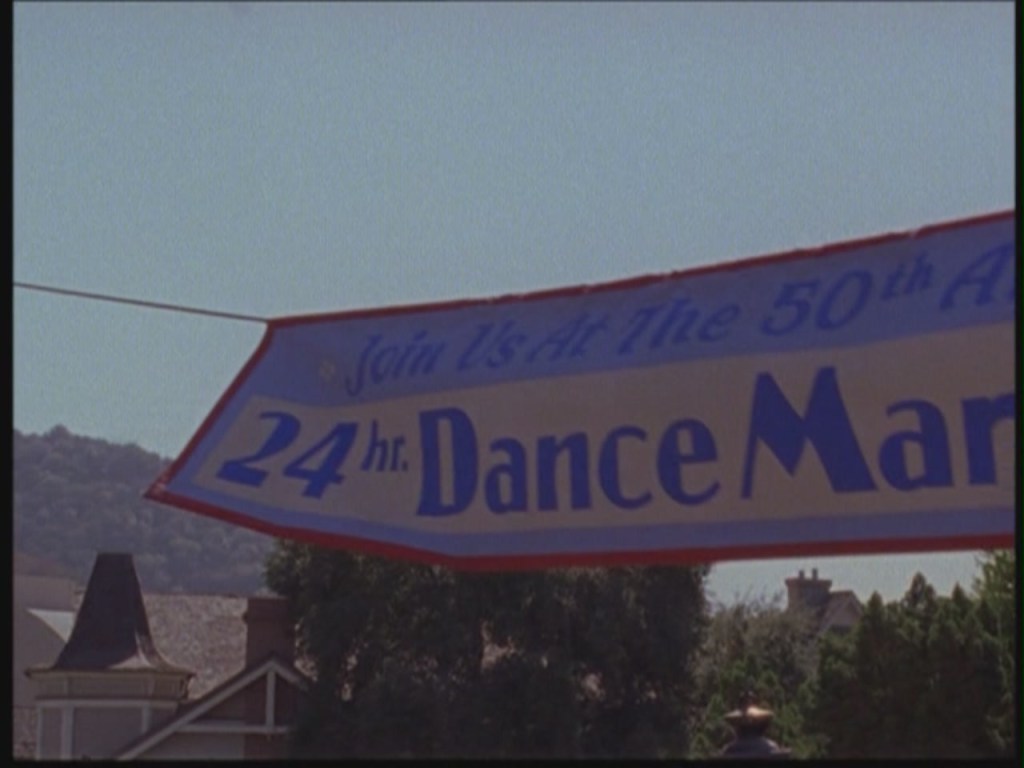
According to the banner in the town square, this is the 50th annual dance marathon in Stars Hollow, so the first one was held in 1952. In fact, this is around the time dance marathons began to decline in popularity. Could Stars Hollow have really been thirty years behind the trends?

They Shoot Gilmores, Don’t They?

The episode’s title is a reference to the 1969 psychological drama film, They Shoot Horses, Don’t They?, directed by Sydney Pollack and based on the 1935 novel of the same name by Horace McCoy.

Set during the Depression, the film focuses on a group of people desperate to win a dance marathon where they are ruthlessly exploited, and stars Jane Fonda, Michael Sarrazin, and Susannah York. The title comes from the fact that horses are shot once they break their legs to put them out of their misery. The film was a commercial success, and is regarded as one of the best films of its era. It has aged well, and is still finding admirers.

As in the film, this episode is about a dance marathon – although it isn’t nearly as dramatic as the one in the film.