“Worthy” Men

CHRISTOPHER: So is he [Max] worthy?
LORELAI: Is anyone?
CHRISTOPHER: Bono, maybe? Bryan Ferry?
LORELAI: Get serious.
CHRISTOPHER: A young Tom Waits?
LORELAI: Now you’re talking.

Paul Hewson, known by his stage name Bono (born 1960) is the lead singer and main songwriter of Irish rock band U2, previously mentioned. His songs are often about political and social issues, and he is widely known for his activism on a range of social justice causes, especially campaigns on behalf of Africa. As a member of U2 Bono has won 22 Grammy Awards and been inducted into the Rock and Roll Hall of Fame, and been praised and rewarded for his humanitarian work, including being named Time magazine’s Person of the Year in 2005. We later learn that Lorelai is a fan of U2, and has a celebrity crush on Bono.

Bryan Ferry (born 1945) was the lead vocalist and main songwriter of English glam art rock band Roxy Music, achieving three #1 albums between 1972 and 1982. He also has a career as a solo artist, and continued as a soloist after disbanding Roxy Music. Known for his sophisticated image and seductive singing style, Ferry has sold over 30 million records worldwide. He doesn’t get mentioned again during Gilmore Girls, but from Christopher’s comment, it seems Lorelai had a fancy for him at one time, possibly during their teenage years in the early 1980s.

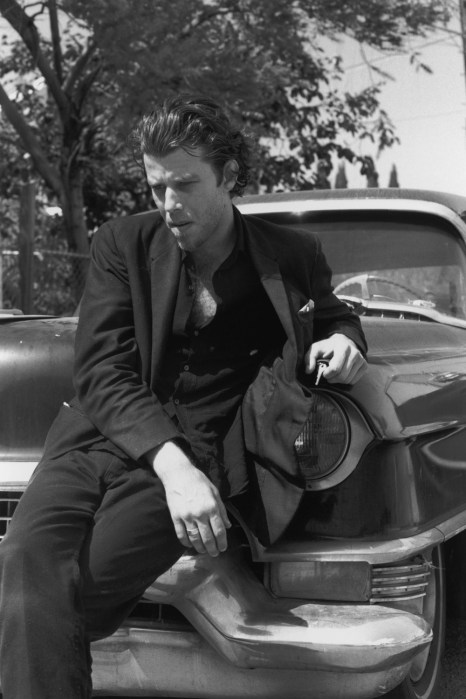
Tom Waits, previously discussed. Waits was in his twenties during the 1970s, the decade when he released his early albums: Closing Time, The Heart of Saturday Night, Small Change, Foreign Affairs, and Blue Valentine. He had a very cool, hip image, and favoured the black shirt with black jacket look that Lorelai attempted to impose on Luke. This seems to be Lorelai’s favourite period of his, and she is most enthusiastic about the idea of being with a young Tom Waits.
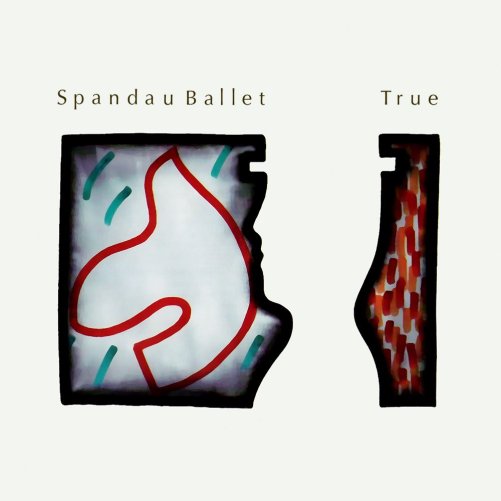
True

This 1983 pop song plays while Emily tells the company the touching story about her love for Richard just before they got married, right through until Lorelai phones Christopher.

True is the title track to the third album by British new wave band Spandau Ballet. The song was written by Gary Kemp, and although it sounds so romantic, was written about his platonic relationship with Clare Grogan from Scottish band Altered Images, previously mentioned. It contains tributes to both Marvin Gaye and Vladimir Nabokov’s novel Lolita.

True went to #1 in the US, and was #1 in the UK, Ireland, and Canada. It has been voted both one of the favourite #1 hits of the 1980s, and one of the worst songs of all time. Like Altered Images’ Happy Birthday, the song features on the soundtrack to the teen movie Sixteen Candles.

Spandau Ballet have a following of gay fans, thanks in part to the androgynous image favoured by 1980s new wave bands, and are vocal supporters of LGBT rights.

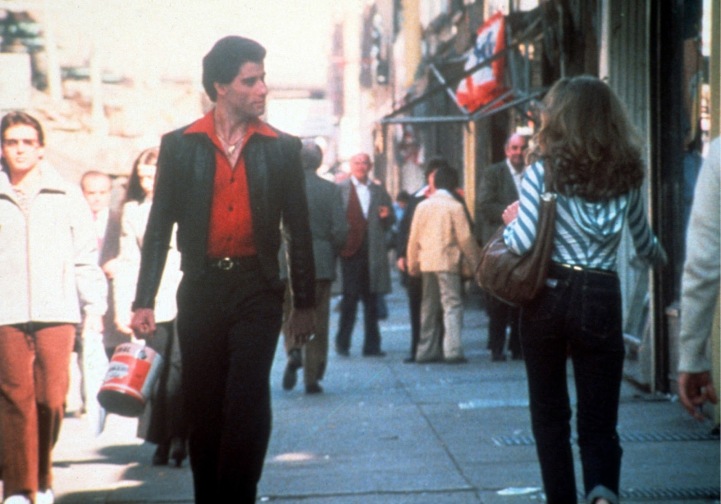
Tony Manero

MICHEL: So, is there no dancing here? I was hoping there’d be dancing.
SOOKIE: You need to strut, Tony Manero?

Anthony “Tony” Manero (John Travolta) is the protagonist of the 1977 musical drama film Saturday Night Fever, directed by John Badham, and based on a 1976 New York magazine article by British journalist Nik Cohn, Tribal Rites of the New Saturday Night. In the 1990s, Cohn admitted he’d faked the article on New York disco culture, basing the main character on a man he had briefly seen in a doorway, and an English mod he’d known in the 1960s.

The film revolves around Tony, a young working-class Italian-American man who spends his weekends drinking and dancing at a local disco in Brooklyn. While in the disco, he is the champion of the dance floor, and this helps him cope with a dead-end job, family squabbles, racial tension in his community, and a general restlessness, while he dreams of a better life.

The film begins with an iconic scene where Tony is strutting down the streets of his neighbourhood with The Bee Gees song Stayin’ Alive playing. Both scene and song are referenced in the film’s less-regarded 1983 sequel, Staying Alive.

Saturday Night Fever was a massive box-office success, and the #4 film of 1977. It received excellent reviews, and critics named it as one of the best films of 1977. It helped to popularise disco music, and made John Travolta a household name. The soundtrack, featuring songs by The Bee Gees, is one of the best-selling movie soundtracks of all time.

Get Happy

When the company enters the bar for Lorelai’s bachelorette party, a drag queen dressed as Judy Garland is lip-synching on stage to this song.

Get Happy is a song written by Harold Arlen, with lyrics by Ted Koehler; the lyrics mimic gospel and evangelical songs. It was first performed by Ruth Etting in the 1930 Broadway show Nine-Fifteen Revue, and although the musical was a disastrous flop, Get Happy was successful and recorded several times, including by both Benny Goodman and Charlie Parker.

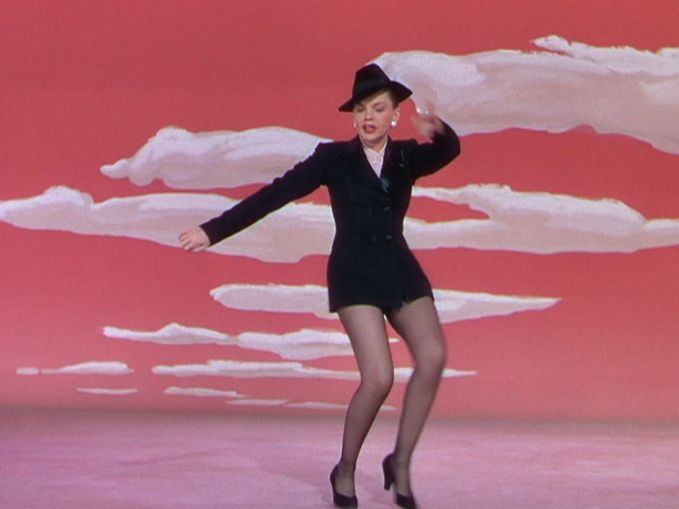
Judy Garland sang the song in the 1950 musical film Summer Stock, her last movie for MGM. In a let’s-put-on-a-show plotline, Garland performs the number wearing a tuxedo jacket, fedora, and stockings and high heels in the movie’s most iconic scene, often copied by other singers and dancers.

Judy Garland had been a gay icon since The Wizard of Oz became popular TV viewing, so having this song playing as they enter is a stereotypical way to signal it’s a gay club.

“If eating cake is wrong, I don’t want to be right”

RORY: Is it right to be sampling wedding cakes when Sookie’s making ours for free?
LORELAI: What is right anyway, you know? Who defines right? And if eating cake is wrong, I don’t want to be right. … So, ethics?
RORY: Highly subjective and completely overrated.
LORELAI: That’s my girl.

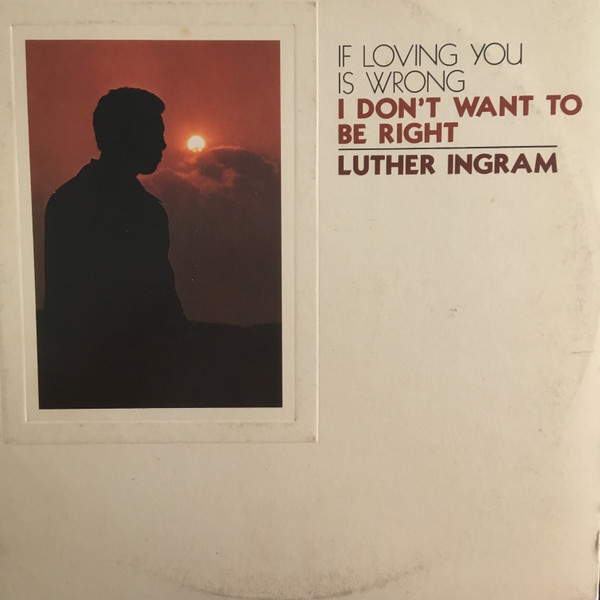
Lorelai refers to the 1972 song “(If Loving You Is Wrong) I Don’t Want to Be Right”, written by Homer Banks, Carl Hampton, and Raymond Jackson. Originally written for The Emotions, it has been performed by several singers, most notably Luther Ingram, whose original recording from his album of the same name went to #3 in the US, and #1 on the R&B charts. It was the #16 song of 1972.

Lorelai and Rory decide that committing fraud to rip off a little old lady is alright because they are Gilmores and therefore special. Note that Rory, “the sweetest kid in the world”, is perfectly okay with this, and has already scarfed down a large amount of cake before even raising the question of whether it might possibly be wrong.

“Completely in sync”

LORELAI: I’m glad he’s [Max’s] back.
RORY: And he’s on board with the whole smallish wedding thing?
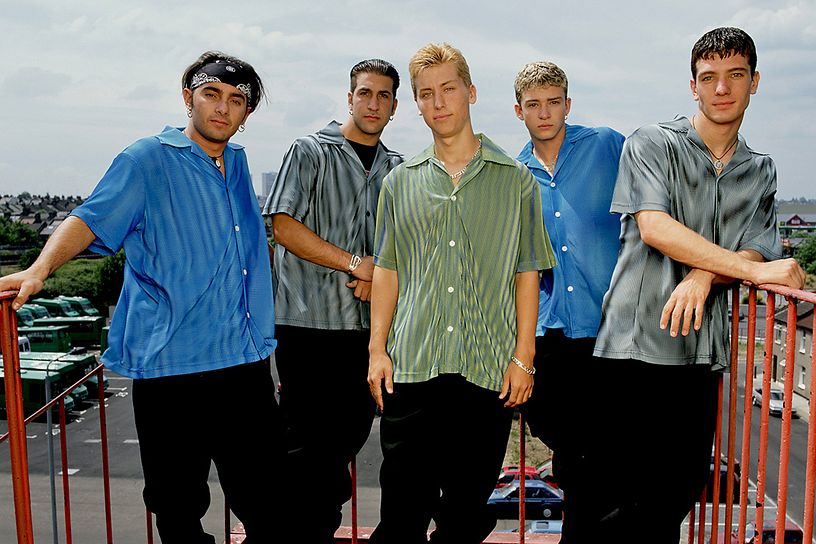
LORELAI: Oh yeah. We want fun, we want simple, we want fast. We’ve been completely in sync, without the slightly gay boy band affiliation.

A reference to the boy band NSYNC, previously discussed. One of its members, Lance Bass [in the middle of the picture], is actually gay, although he didn’t publicly come out until 2006, with speculation about his sexuality becoming common around 2005.

Until the Real Thing Comes Along

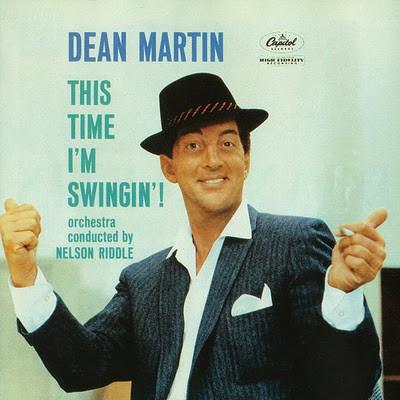
This 1936 pop song plays at the start of the scene between Sookie and Jackson, and was written by Sammy Cahn, Saul Chaplin, and L.E. Freeman. The version used on the show is by Dean Martin, and is from his 1960 album This Time I’m Swingin’!

The lyrics to the song say, “If that isn’t love, it will have to do/Until the real thing comes along”. It seems to be a comment on Lorelai’s relationship with Max.

One Fine Day

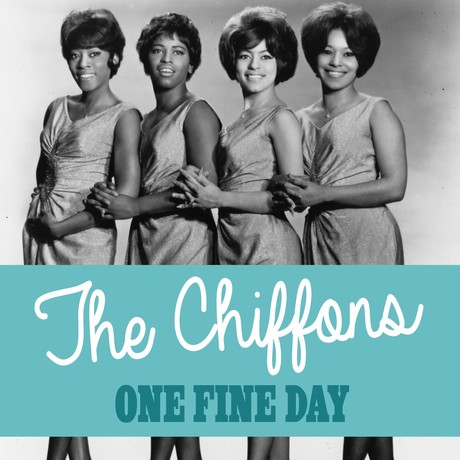
This 1963 pop song plays just before Rory and Dean kiss and make up, and follows Lorelai as she goes to see Luke in the diner. One Fine Day was written by Gerry Goffin and Carole King, and recorded by the girl group The Chiffons. It was a hit around the world, going to #5 in the US.

The song seems to be a comment on Lorelai’s feelings for Luke – that “one fine day” he will want her for his girl.