Hypochondria

RORY: Can brains hurt?
LORELAI: Yes, it’s hypochondria hour.

Hypochondria is a condition where a person is overly worried about having a serious illness, and become extremely concerned about even mild symptoms in the fear that they are a sign of a life-threatening condition. In many cases, their anxiety about their health actually produces the symptoms they are worried about, such as headaches, stomach pains, dizziness, weight loss, or fatigue. It is now called “illness anxiety disorder”.

Measles

Madeline says that they can’t study at her house because her brother has measles.

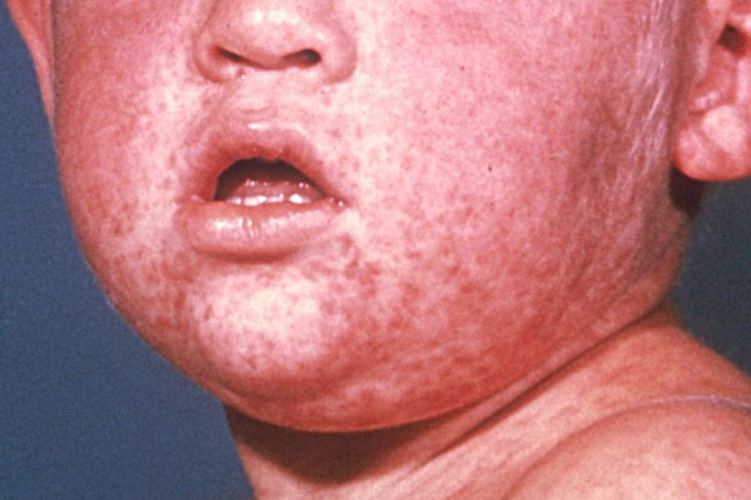
Measles is a highly contagious viral infection causing fever, cough, runny nose, inflamed eyes, and a red rash. It can be fatal. Madeline must be vaccinated against the disease or she would have it herself, and the household should have been quarantined so that Madeline shouldn’t be (and possibly isn’t) living at home while her brother is infectious.

Measles were declared to be eliminated in the US in 2000 by public health officials (this doesn’t mean nobody got measles that year, just that there were so few cases and such high vaccination rates that they weren’t any threat to the general population).

Madeline’s brother getting measles in 2001 is highly unusual, and it really makes you wonder why vaccination rates are so low in the Gilmore Girls universe – in real life, Connecticut has one of the highest rates of child vaccination in the world. It seems more in line with California, where Gilmore Girls is filmed, where vaccination rates tend to be lower.

Concert Interruptus

The episode title is a play on coitus interruptus, a method of birth control where the penis is withdrawn from the vagina prior to ejaculation, also known as withdrawal or the pull-out method. In the same way, the concert in the episode is interrupted when Madeline and Louise withdraw or “pull out” of the proceedings.

Amusingly, Lorelai also ruins or “interrupts” the girls’ chance of achieving coitus with the boys they pick up at the concert, giving it another layer of meaning.

Angina

JOSHUA: Well Richard, it looks like we’re gonna be stuck with you for a while longer. It was just a touch of angina.
EMILY: But you have to watch your diet.
JOSHUA: Yes, that’s going to be very important. No more red meat, heavy desserts and you’re going to have to exercise regularly.

Angina is chest pain or pressure, usually caused by not enough blood flow to the heart muscle. Typically brought on by exertion or stress (such as the trouble Richard was having at work), the pain or discomfort is often accompanied by sweating (which is why he kept turning the heat down). It can be made worse by having a full stomach and by cold temperatures, so a big Christmas dinner helped create the perfect storm for Richard’s angina.

Dr Reynolds’ diet suggestions probably indicate that Richard’s tests showed he has high cholesterol, which is common with angina patients. Gentle exercise is recommended – despite Emily saying “golf doesn’t count”, it would probably be good for him. Almost certainly Dr Reynolds is also going to give him some form of medication.

Due to improvements in modern medicine, the prognosis for angina is quite good, with 92% of patients surviving for five years after diagnosis.

German measles

LORELAI: I had the German measles in the fifth grade, I still had to show up to the Christmas party … My polka dot dress matched my face and still I had to sit through twelve courses.

German measles, also known as rubella, is an infection caused by the Rubella virus. It is often mild in children, and symptoms include low-grade fever, sore throat, fatigue, and a rash. The disease can be considerably more severe if an adult catches it, and worst of all for women in the early stages of pregnancy – it increases the chance of miscarriage, and there is a high chance of the baby being born with disabilities such as blindness, deafness, mental retardation, and heart defects.

A vaccine against the virus was developed in 1969 and it was added to the MMR vaccine in 1971, so it was possible for Lorelai to be vaccinated against German measles. In 1977 (when Lorelai was 8-9) the US developed a nationwide childhood immunisation initiative – children are usually 10-11 in fifth grade, so Lorelai should theoretically have been vaccinated by then. This does fit in with Amy Sherman-Palladino’s age though, as she is two years older than Lorelai and would have been in 5th grade around 1977 – maybe just too late to avoid getting the disease.

In any case, Emily was irresponsible and selfish to force Lorelai to attend a party with German measles. The disease is highly infectious, and any female of child-bearing age would be at risk, as you don’t usually know you are pregnant in the early stages.

There is no excuse for ignorance either, as there was a rubella epidemic in the US in 1964-65, not that long before Lorelai’s birth, leading to about 16 000 children being born disabled, as well as 2000 neonatal deaths, and 11 000 abortions and miscarriages due to the disease.

Dristan

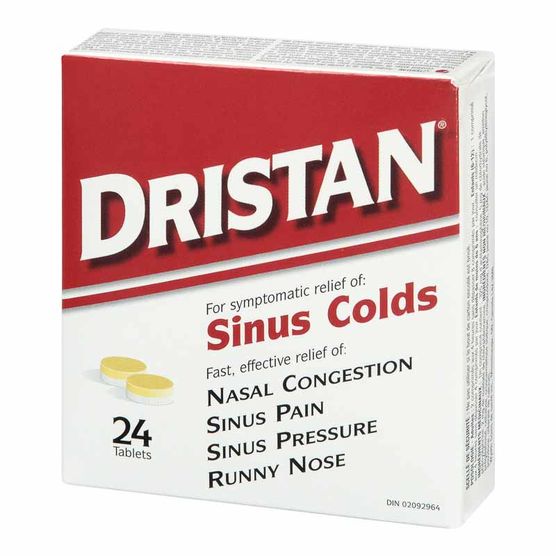
DEAN: Get out of my way Dristan.
TRISTAN: Oh, aren’t you clever.

Dristan is a brand of cold and allergy over the counter medications made by Pfizer intended to unblock a stuffy nose.

You see what Dean did there, besides invent his and Tristan’s couple name?

Mashed banana on toast

Despite Emily’s prickly demeanour, you can see that she just loves this opportunity to nurse Lorelai and mother her – the months that Lorelai was healing from a broken leg and never even told her obviously bothered her a lot. She makes Lorelai tea and heats up her burrito for her, even making the mashed banana on toast that Lorelai apparently liked when she was little, even though they both decide that it actually tastes horrible.

And despite Lorelai’s grouchiness, there is a part of her that enjoys being mothered by Emily too, as her “Thank you, Mommy” comment shows. Mind you, she’s pretty out of it on prescription medication by that stage.

Sookie’s First Aid Kit

As she was first characterised as highly accident-prone, it makes sense that Sookie is always equipped with some basic first aid equipment, which she offers to Lorelai when she hurts her back while making Rory’s dress.

Ace bandage: Ace is a popular American brand of elastic bandages, first produced in 1918 – the name stands for All Cotton Elastic. The brand was bought by 3M in 2009.

Percodan: The brand name of a strong painkiller which combines aspirin and the semi-synethetic opioid oxycodone, manufactured by Endo Pharmaceuticals. It’s only available on prescription, and is now considered a fairly old-fashioned medication, with use declining.

Vicodin: The brand name of a strong painkiller which combines paracetamol with the semi-synethetic opioid hyrocodone. It’s only available on prescription, and can be addictive; it is sometimes (illegally) used for recreational use.

Darvocet: The brand name of an opioid painkiller manufactured by Eli Lilly and Company. It was taken off the market in 2010 due to concerns about fatal overdoses.

Muscle relaxant: A drug used to treat muscular pain and spasms, nearly always with sedative effects. They can be addictive, and are only meant to be prescribed for short-term use. Sookie’s reluctance to use “the very mild” drug’s name suggests that it may be Diazepam, previously known as Valium.

You can’t help wondering if Sookie’s clumsiness might have been increased by a dependence on prescription painkillers.

Bellevue

MAX: So possibly I’m crazier than you are.
LORELAI: Again, very possible.
MAX: A match made in heaven.
LORELAI: Or in Bellevue.

Bellevue Hospital in Manhattan was founded in 1736 and is the oldest public hospital in the US. Its psychiatric hospital opened in 1931, and became a byword for medical neglect and maltreatment of recovering alcoholics and the mentally ill. The name “Bellevue” soon became applied to any psychiatric facility.

The old psychiatric hospital closed in 1984, and part of it is used as a homeless shelter. The new psychiatric unit at Bellevue Hospital is now regarded as one of the best in the country.

Tourniquet

(After Rory confesses she did a load of laundry without asking Lorelai)
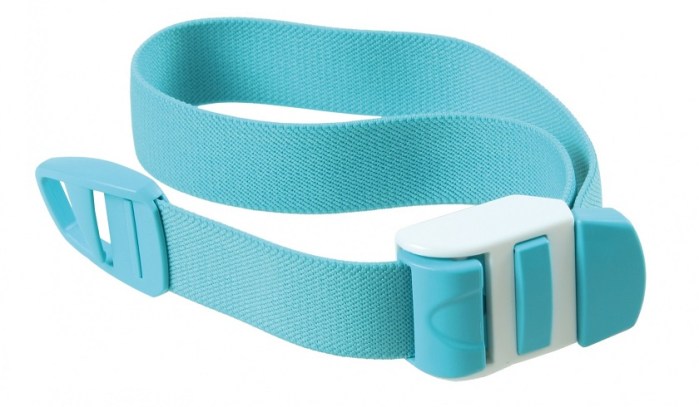
LORELAI: I’m crushed. I’m bleeding. Get me a tourniquet. Oh, no, they’re dirty ’cause Rory wouldn’t wash them with her stuff.

A tourniquet is a device used to control blood flow after an injury. Tourniquets have been especially used on battlefields.

Lorelai’s pretense at suffering deep emotional pain will soon be replaced by genuine emotional pain.